

5 Decluttering Mistakes Empty Nesters Make
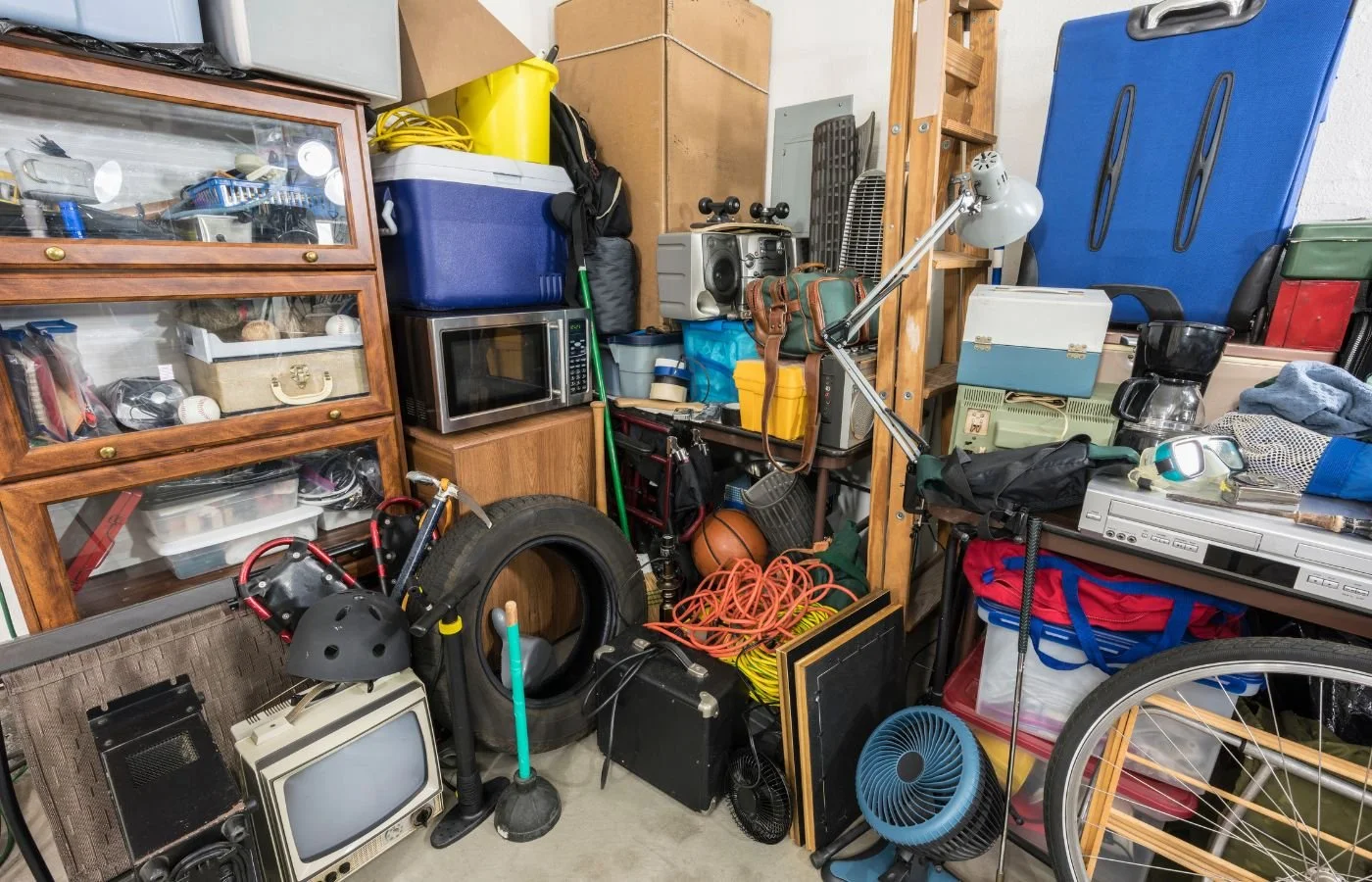
Many empty nesters reach a stage of life when simplifying their home finally becomes a priority. Yet decluttering is harder than most people expect. In fact, one statistic often cited in organizing circles suggests that nearly 97 percent of people who begin decluttering on their own give up within a few weeks and eventually regain much of the clutter they removed.
Understanding the decluttering mistakes empty nesters make can help break that cycle. After decades of raising children, homes often hold a lifetime of belongings. At the same time, it is important to remember that we cannot assume our children or grandchildren will want the things we saved. Each generation values different objects and lifestyles.
When beginning the process, start small and be specific. A single drawer or one shelf is enough to begin. Progress builds confidence, and confidence builds momentum. You can use our Declutter Deck to get started.
Mistake 1: Trying To Declutter The Entire House At Once
One of the most common decluttering mistakes empty nesters make is attempting to declutter the entire house in one sweeping effort. The intention is good, but the result is often exhaustion and discouragement.
Our brains naturally resist big change. When the task feels too large, the mind begins negotiating ways to avoid it. This often leads to analysis paralysis, where we spend more time thinking about decluttering than actually doing it.
Setting clear and manageable guidelines helps quiet that internal resistance. Working in small sections allows you to make real progress without feeling overwhelmed
Mistake 2: Holding On To Items Out Of Obligation
Many people keep belongings because they were gifts or reminders of meaningful relationships. Letting go can feel like dismissing the person who gave the item.
In reality, the memory and appreciation remain even when the object is gone. An item fulfilled its purpose when it was given. You can still value the relationship without keeping every physical reminder.
Some people take photographs of sentimental belongings before letting them go. This allows the memory to remain while freeing up space in the home.
Mistake 3: Assuming Family Members Will Want Your Belongings
Another of the decluttering mistakes empty nesters make is storing items for future generations without asking whether anyone actually wants them.
Furniture, collections, and household items often remain in basements or storage areas for years because parents believe their children will eventually want them. In many cases, the next generation prefers different styles or simply has less space.
Having honest conversations with family members can clarify what is truly meaningful and what can be released.



Mistake 4: Asking The Wrong Question When Deciding What To Keep
A common decluttering guideline asks whether you have used something in the last year. While helpful, this question can sometimes be misleading.
A better question is whether you had the opportunity to use the item during that time. The distinction matters. If the opportunity existed and the item still went unused, it may no longer serve a purpose in your life.
This small shift in thinking can make decision-making much easier.
Mistake 5: Keeping Items That Are Easy To Replace
Another helpful rule is the 20 20 rule. If an item can be replaced for less than twenty dollars and within twenty minutes, it may not need to occupy permanent space in your home.
Many items are kept “just in case.” Over time those items accumulate and create clutter. Recognizing how easily many everyday things can be replaced makes it easier to let them go.
You can always modify the rule to match your lifestyle and comfort level.
Practical Action Steps For Decluttering
Successful decluttering usually depends on clear goals and a realistic approach. One helpful method is using SMART goals. This means goals that are Specific, Measurable, Achievable, Relevant, and Time-bound.
For example, instead of saying you want to declutter the entire house, commit to organizing one closet by the end of the week. Small accomplishments build motivation.
It is also helpful to create a vision for each room in your home. Think about how you want the space to function in this stage of life. Once that vision is clear, decisions about what belongs there become easier.
Finally, keep the items that truly bring joy or hold meaningful memories. Let go of the rest. Some sentimental belongings can be repurposed or displayed in new ways so they remain part of your life without overwhelming your space.
Decluttering is not about removing everything. It is about shaping your home so it supports the life you are living now.