

The One Drawer Method for Starting a Decluttering Habit
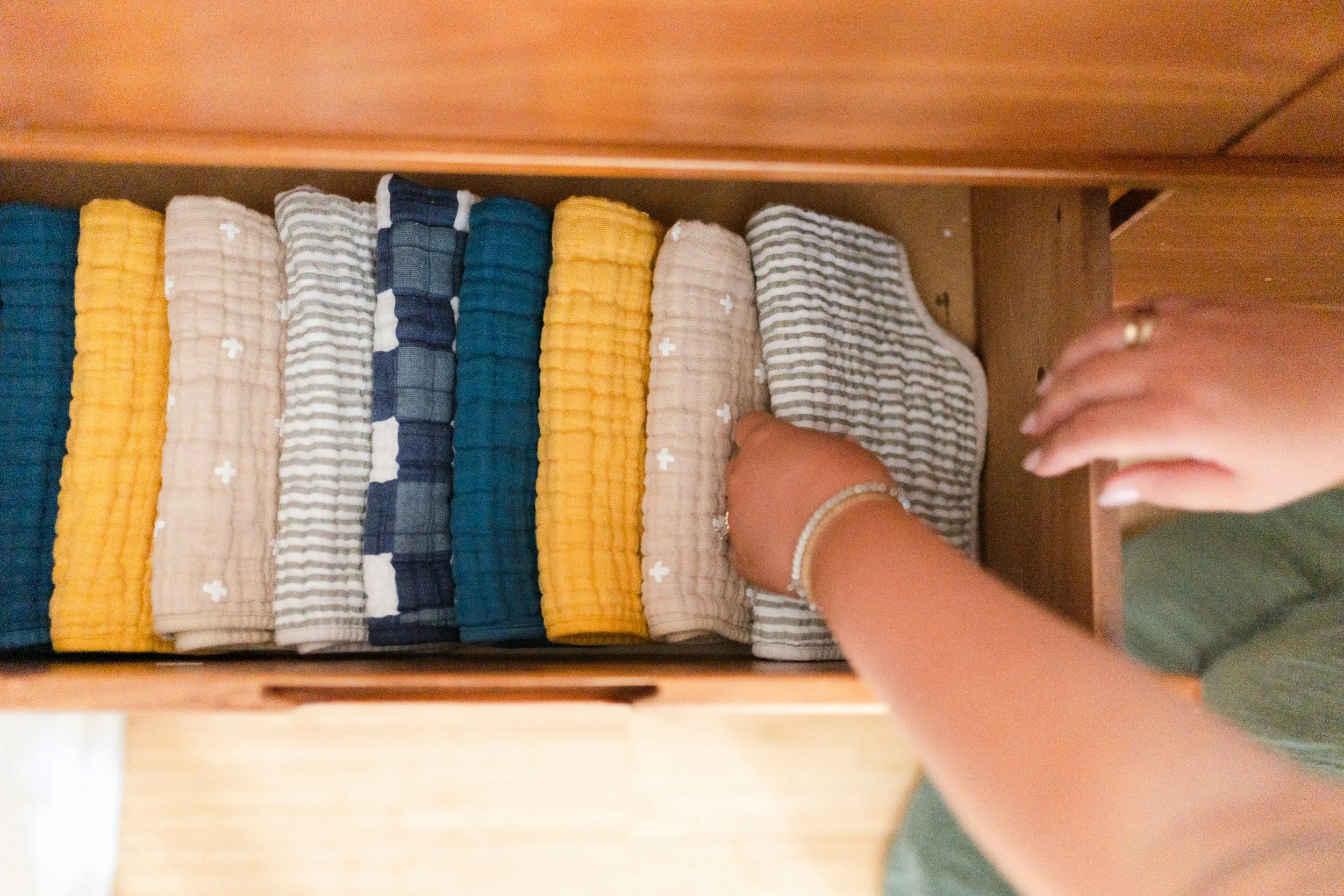
The one drawer method is one of the simplest ways to start decluttering. When people think about clearing out their homes, the task often feels overwhelming. Entire closets, garages, and storage rooms come to mind. That scale of work is enough to stop most people before they even begin.
Starting a decluttering habit works better when the task is small. A single drawer provides a clear boundary. It is large enough to contain a real mix of items, yet small enough to finish in a short amount of time. The goal is not to transform your entire home in one afternoon. The goal is to build a repeatable habit that makes decluttering feel normal rather than exhausting.
The one drawer method focuses on progress instead of perfection. Each drawer becomes a small decision space where you practice letting go, organizing what remains, and noticing how much easier a simplified space feels. Over time those small decisions begin to spread through the rest of the house.
Why Starting a Decluttering Habit Feels So Difficult
Many people believe they struggle with decluttering because they lack motivation or discipline. In reality, the difficulty usually comes from the size of the task. Large projects trigger hesitation. The brain sees the amount of work ahead and decides it is easier to postpone the effort.
Decluttering also involves decisions. Every object requires a choice. Keep it, donate it, relocate it, or discard it. When dozens or hundreds of items appear at once, decision fatigue sets in quickly.
The one drawer method solves both problems. The space is small, and the number of decisions is limited. Instead of facing a room full of objects, you face a contained set of items that can be evaluated one by one.
This shift changes the emotional experience of decluttering. What once felt like an endless project becomes a series of manageable steps.
What the One Drawer Method Is and How It Works
The one drawer method is exactly what it sounds like. You choose a single drawer and commit to decluttering only that space.
It might be a kitchen junk drawer, a bathroom cabinet drawer, a desk drawer, or a nightstand drawer. The location does not matter as much as the scale. The space should be small enough that you can finish the task in one sitting.
Once the drawer is empty, you evaluate each item before returning anything to the space. Only items that belong there and support your daily routines go back inside.
The process typically takes fifteen to thirty minutes. That short time frame makes it much easier to start.
What matters most is the repetition. Each drawer becomes a short practice session where you build the skill of making clear decisions about your belongings.
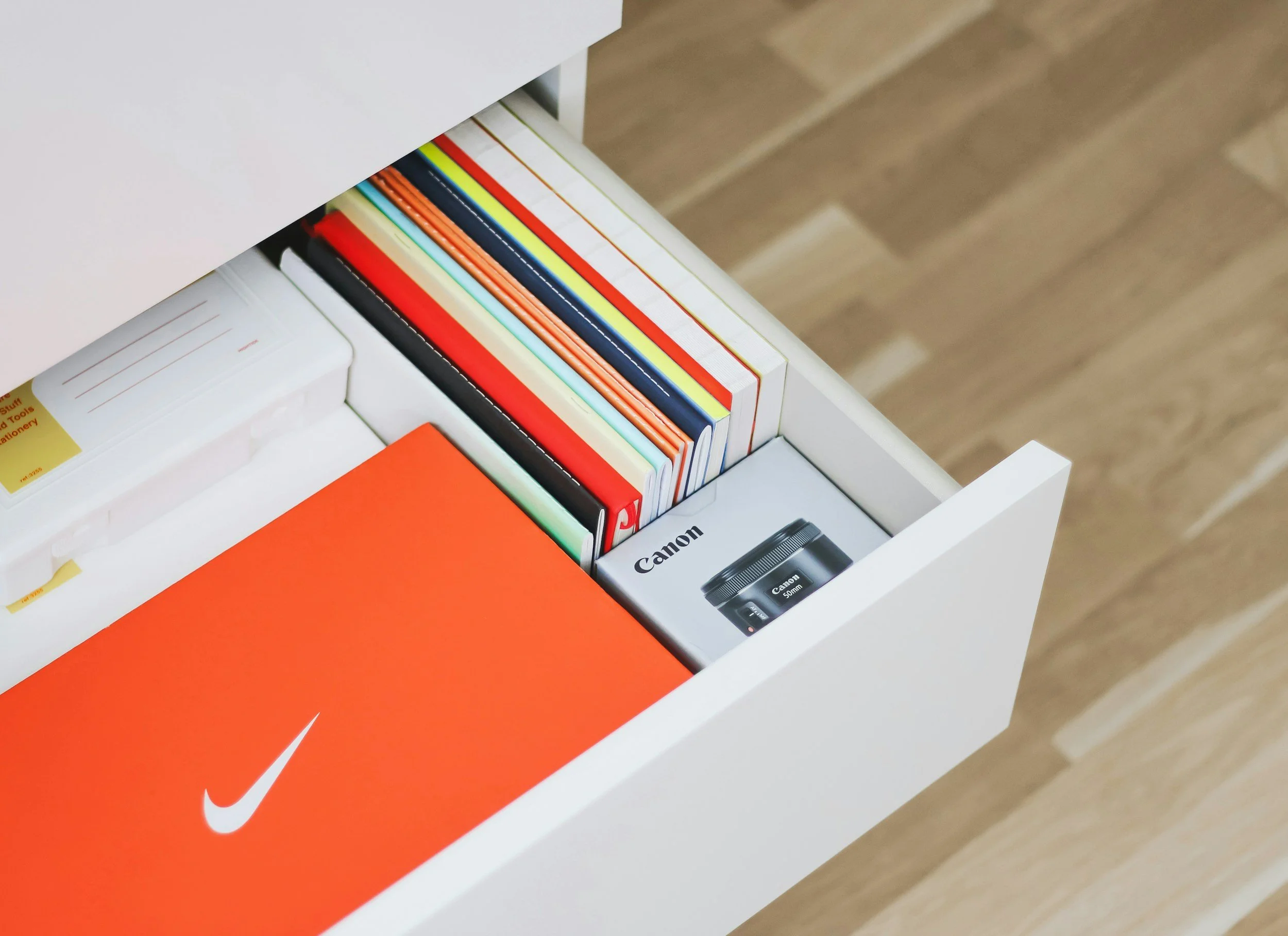
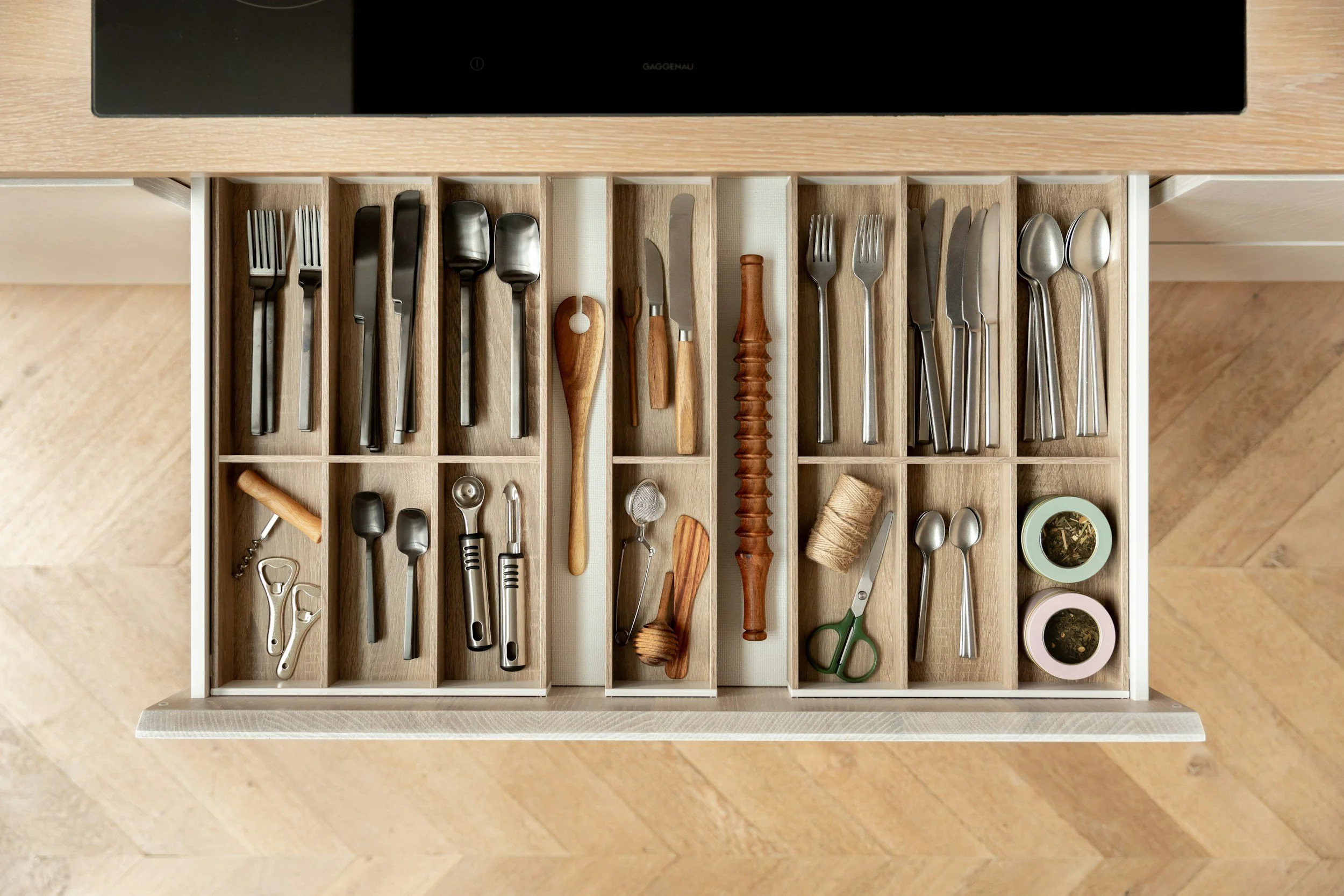
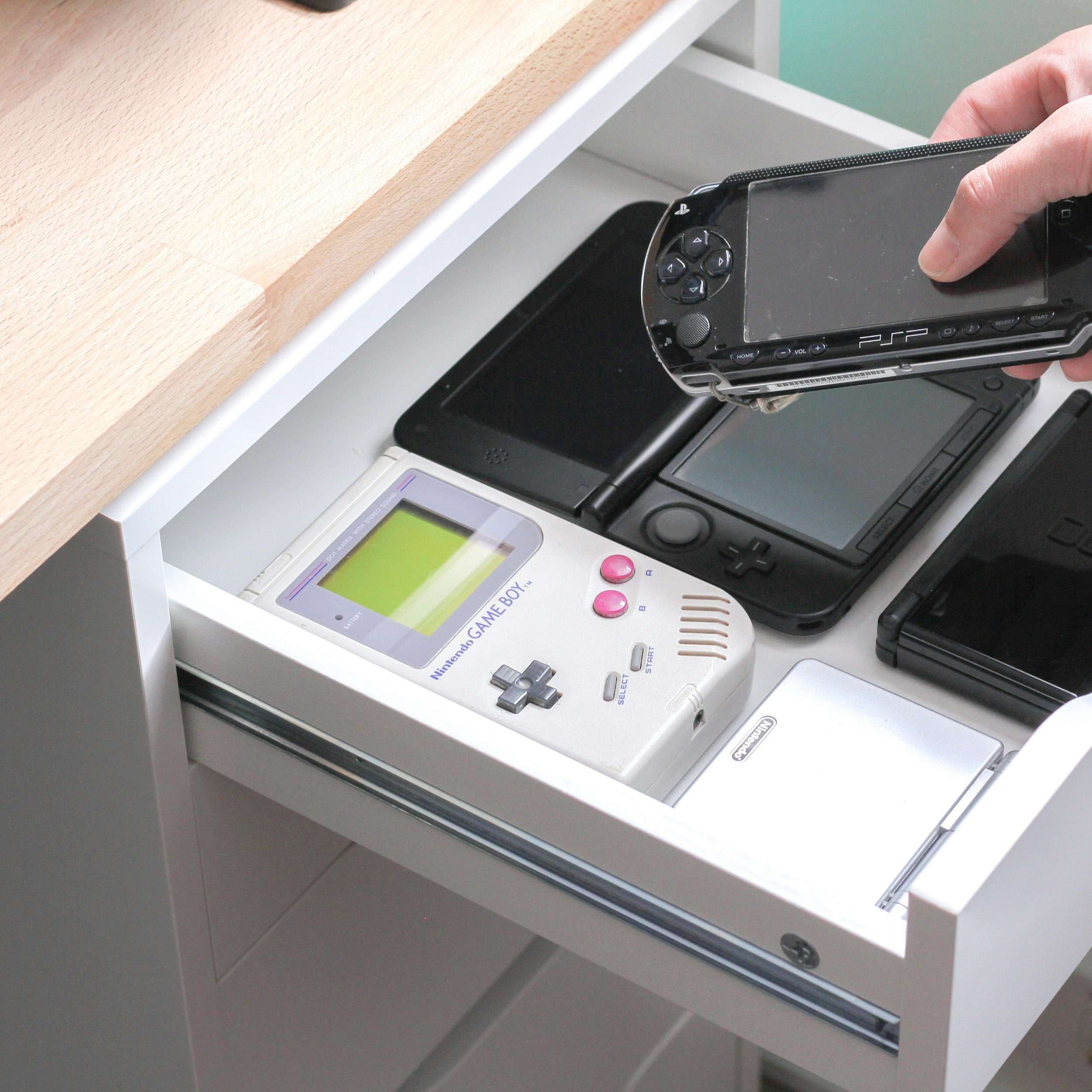
How to Use the One Drawer Method to Start Decluttering
The one drawer method works best when you follow a consistent process. A simple structure keeps the task focused and prevents the drawer from becoming messy again later.
Choose a drawer you use regularly
Start with a drawer that plays a role in daily life. A kitchen utensil drawer, bathroom drawer, or desk drawer works well.
Spaces that you interact with every day provide quick feedback. Once the drawer is simplified, you immediately notice how much easier it is to use.
Empty the drawer completely
Take everything out and place it on a nearby surface. This step makes the contents visible. Items that seemed small and harmless while hidden inside the drawer often look very different when spread out on a table.
Emptying the drawer also prevents you from working around items rather than evaluating them.
Group similar items together
As you sort through the items, place similar objects into small groups. Pens with pens, batteries with batteries, receipts with receipts.
Grouping items helps reveal duplicates and unnecessary extras. Many drawers contain far more of a single item than anyone actually needs.
Decide what belongs in the drawer
Before returning anything, ask a simple question. Does this item belong in this drawer?
Drawers often become catchall spaces where random items land. By deciding what the drawer is meant to hold, you prevent it from turning back into a storage spot for unrelated things.
Return only what supports daily use
Place the items you truly use back into the drawer. Leave space between groups of objects so everything is easy to see.
A drawer should allow you to find what you need immediately. When too many items compete for space, the drawer becomes harder to use.
Remove the rest from the room
Items that do not belong in the drawer should leave the area entirely. Put them in the correct room, place them in a donation box, or discard them.
Leaving them nearby makes it easy for them to drift back into the drawer later.
Why Decluttering One Drawer Builds Real Momentum
Small tasks often feel insignificant. Many people assume that decluttering must involve large projects to be worthwhile.
The opposite is usually true. Consistent small actions create habits that large projects rarely produce.
When you declutter one drawer, you experience completion. The space looks different. It functions better. The result is visible and immediate.
That sense of completion changes how the brain approaches the next task. Instead of seeing decluttering as a massive chore, it begins to feel like a manageable routine.
Over time this process builds momentum. One drawer leads to another. A drawer leads to a cabinet. A cabinet leads to an entire room.
Momentum grows through repetition rather than intensity.
How the One Drawer Method Reduces Decision Fatigue
Decision fatigue is one of the biggest barriers to decluttering. Each object requires a judgment call. When hundreds of items appear at once, the brain quickly becomes tired.
The one drawer method reduces the number of decisions you face at any given time. Instead of sorting through entire closets or storage rooms, you deal with a small collection of objects.
Because the decisions are limited, your attention stays focused. You can think clearly about what each item contributes to your life.
The process also improves decision-making over time. As you practice evaluating objects, you become faster and more confident in your choices.
Decluttering Small Spaces Creates Visible Change
Decluttering small spaces often produces the most noticeable improvements. Drawers and cabinets are used constantly, which means clutter in those areas affects daily routines.
A crowded utensil drawer slows down cooking. A messy bathroom drawer makes mornings more frustrating. A desk drawer filled with random items disrupts concentration.
When these small spaces are simplified, everyday activities become easier.
The improvement may seem minor at first. Over time those small improvements accumulate. Life flows more smoothly when common tasks are not interrupted by clutter.
Building a Decluttering Habit Through Repetition
Habits form when actions repeat in consistent conditions. The one drawer method creates the perfect environment for building a decluttering habit.
The task is small. The location is familiar. The time required is limited. Because the effort is manageable, it becomes easier to repeat the process regularly.
Many people choose one drawer per day or one drawer per week. The schedule matters less than the consistency.
As the habit develops, decluttering stops feeling like a major project. It becomes something you simply do from time to time to keep your home functioning well.
Where to Use the One Drawer Method First
If you are unsure where to begin, start in spaces that affect your daily routines.
Kitchen drawers often contain utensils, tools, and random items that accumulate over time. Clearing these drawers makes cooking easier.
Bathroom drawers are another good starting point. Cosmetics, medications, and personal care items tend to multiply quietly.
Desk drawers also benefit from attention. Pens, paper clips, cables, and receipts quickly create clutter that interferes with work.
Nightstand drawers provide another opportunity. Books, chargers, and small personal items often pile up in these spaces.
Each drawer offers a contained environment where you can practice making thoughtful decisions.
How the One Drawer Method Changes the Way You See Clutter
Decluttering one drawer does more than simplify a small space. It changes the way you think about possessions.
When you examine each item closely, patterns begin to appear. You notice duplicates you forgot about. You see how often small objects accumulate without a clear purpose.
This awareness carries into future decisions. Purchases become more intentional. Storage spaces stay more manageable because you recognize how quickly clutter can return.
The habit of evaluating belongings begins to extend beyond the drawer itself.
A Small Start That Leads to Bigger Change
Starting a decluttering habit does not require a full weekend or a detailed plan. It requires a small beginning that feels achievable.
The one drawer method provides that beginning. A single drawer is enough to practice the process of evaluating what belongs in your home.
Each completed drawer builds confidence. The next space becomes easier to approach because you already know the steps.
Over time the house changes not because of a single massive effort, but because of many small decisions made consistently. A drawer may seem like a modest place to start, but it is often the first step toward a calmer and more functional home.
