DECLUTTER. ORGANIZE. SIMPLIFY.
Professional Home Organizing & Decluttering Services in DFW
Create a home you love.
The Uncluttered Life provides professional home organizing and decluttering services throughout Arlington, Dallas, Fort Worth, and surrounding DFW communities.
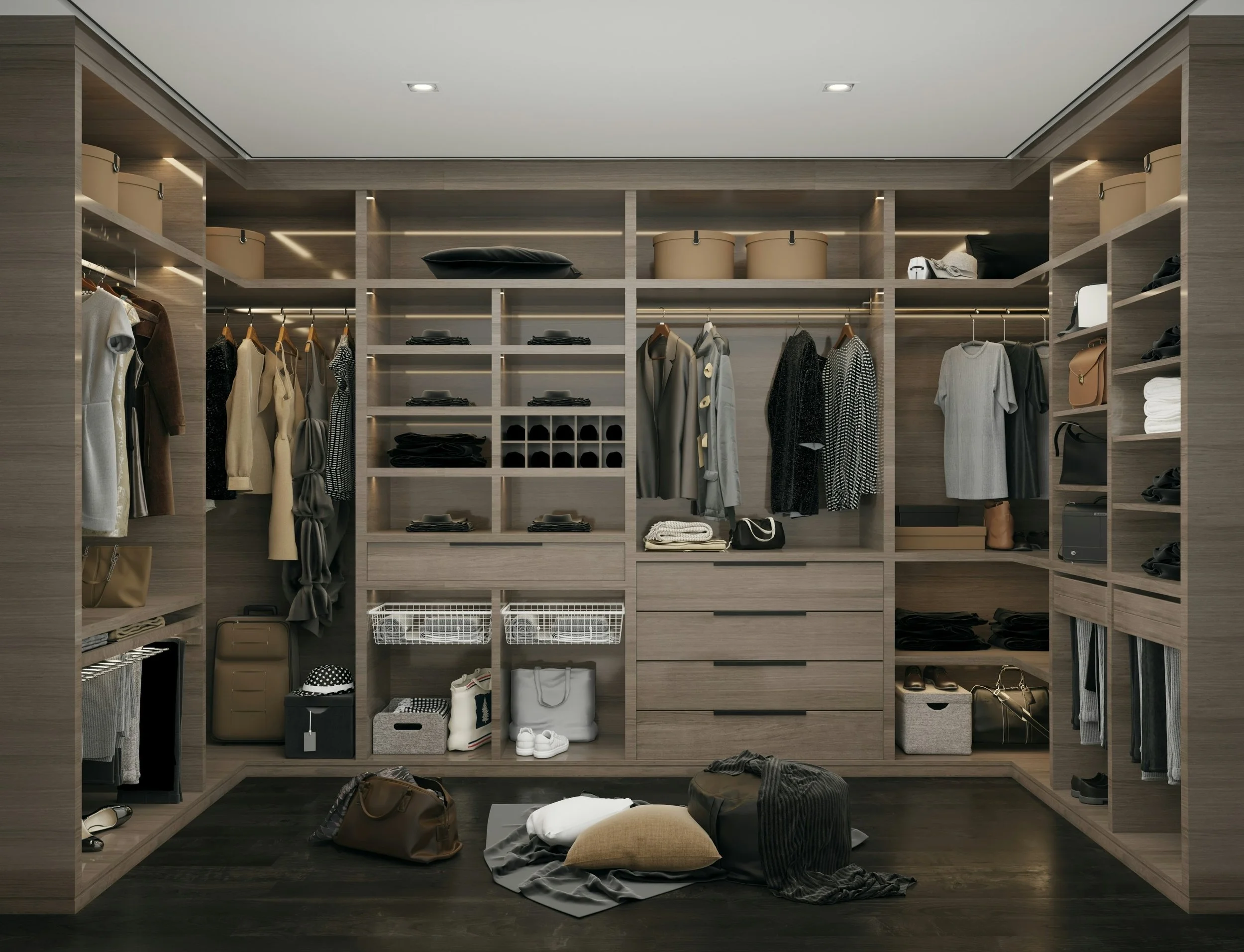
The Uncluttered Life helps individuals and families throughout Dallas-Fort Worth create organized, functional homes that support the way they live. From closets, kitchens, and garages to downsizing, move-in organizing, and everyday clutter, our personalized organizing services make it easier to create calm, beautiful, functional spaces that are easier to maintain.
Whether you need hands-on help in your home or virtual organizing support, we’ll help you find practical solutions that work for your life.
Ready to get organized? Schedule your free consultation.















Make Space for What Truly Matters
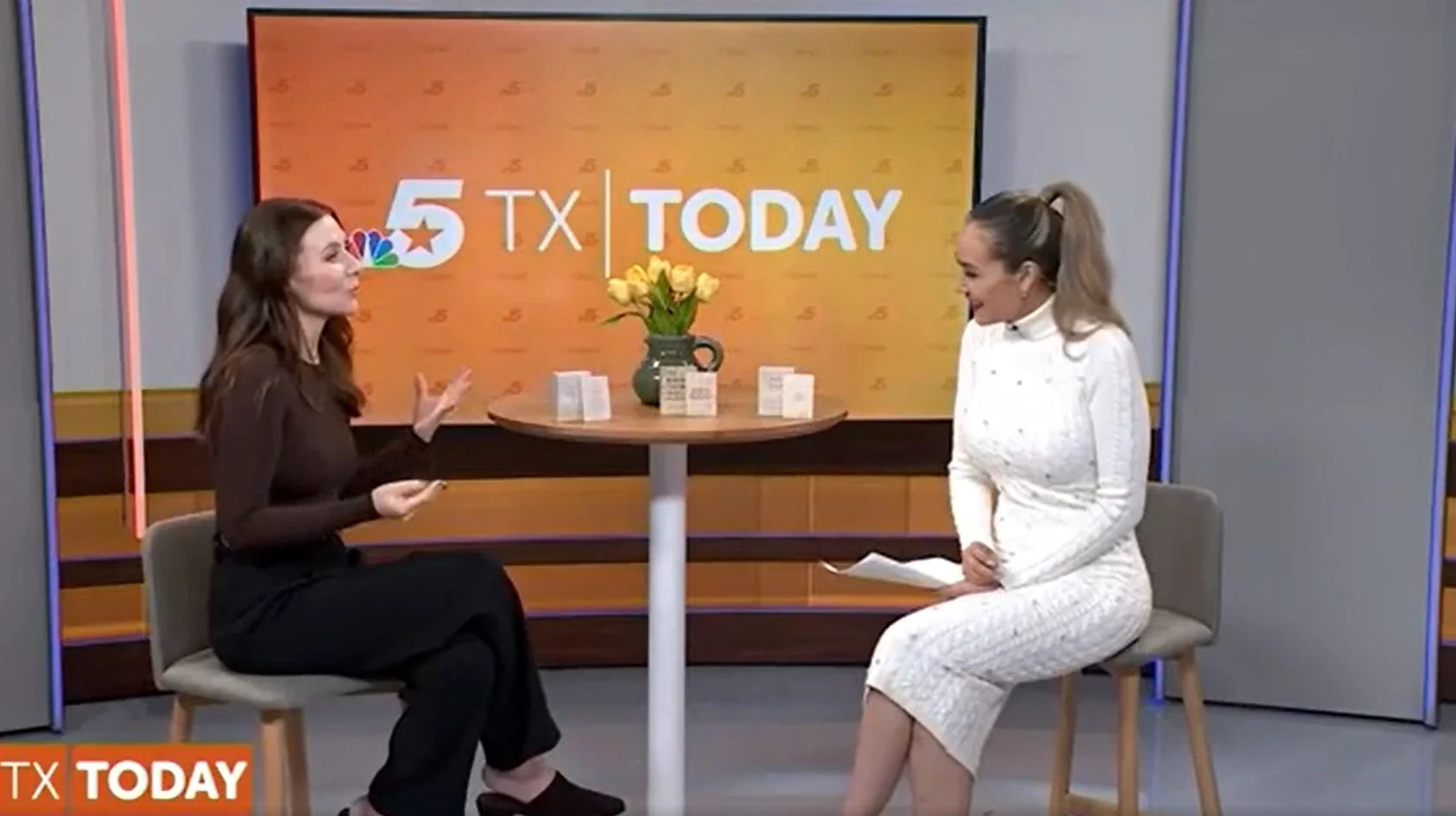
Danica Carson, Co-Founder of The Uncluttered Life, featured on NBC5 Texas Today in Dallas-Fort Worth discussing professional home organizing and decluttering.WHAT WE DO
Ready for a More Organized Home?
You don’t have to tackle clutter alone. The Uncluttered Life provides personalized home organizing and decluttering services throughout Arlington and the Dallas-Fort Worth area. Whether you’re ready to organize one room, prepare for a move, or simplify your home, we’ll help you find practical solutions that fit your life.
Ready to create a home that works better for you? Contact us to schedule your free consultation.
Move-In Organizing & Unpacking
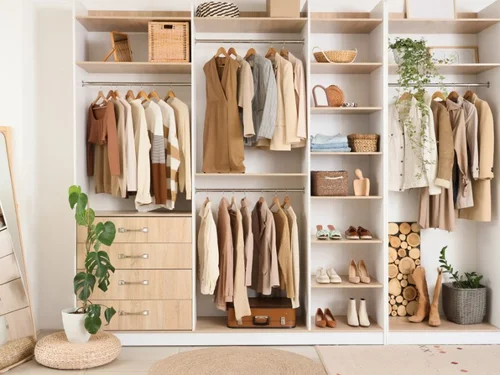
Settle into your new home without feeling overwhelmed by boxes. Our move-in organizing and unpacking services help establish organized kitchens, closets, storage areas, and everyday routines so your new home feels functional and comfortable sooner.
Make Moving Easier...
Move-Out Organizing and Staging
Prepare for your next move with less clutter and a clearer plan. We help you sort belongings, decide what to keep, donate, or pass along, and organize items for packing. Start the next chapter more prepared and in control. Home staging also available.
Prepare for My Move...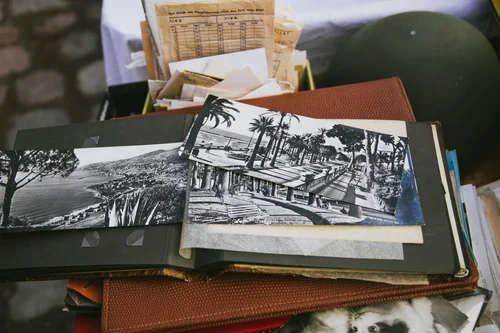
Photo Organization and Preservation
Preserve the memories that matter while bringing order to photo collections. We help organize printed photographs, albums, and keepsakes into manageable systems, making it easier to find, enjoy, and share your family's precious memories for years to come.
Organize My Photos...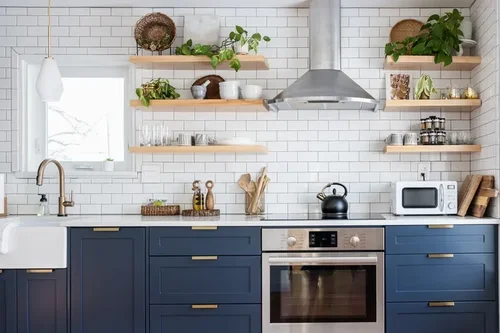
Monthly Home Organization Upkeep
Love your newly organized home? We help you keep it that way! After completing your home organizing project, we can return monthly to maintain your systems, put things back in order, and keep clutter from creeping back in. Enjoy an organized home without having to do it all yourself.
Keep My Home Organized...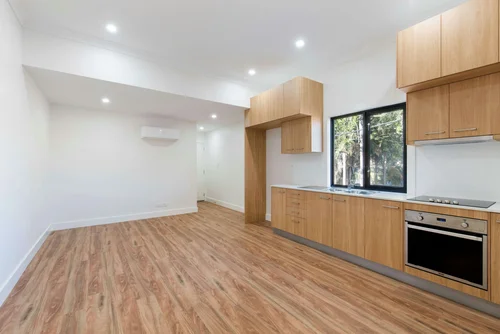
Space Planning, Organizing Systems & Unpacking
Make better use of your existing space with personalized organizing solutions. We help identify storage opportunities, improve room layouts, and create systems that make your belongings easier to access and your home easier to maintain.
Improve My Space...
Paperwork Organization & Filing
Take control of paper clutter and make important documents easier to find. We help you sort paperwork, organize files, create practical filing systems, and decide what to keep, store, or shred. We’ll create a system that makes sense to you.
Organize My Paperwork...
Nursery Setup & Organization
Prepare for your little one with a nursery that’s beautiful, functional, and easy to maintain. We help organize baby clothes, diapers, feeding supplies, toys, and everyday essentials so everything has a place and is easy to reach.
Prepare My Nursery...
Virtual or Remote Organizing
Get professional organizing guidance from the comfort of home. Our virtual organizing sessions help you identify priorities, make decisions about clutter, and develop practical step-by-step plans you can implement at your own pace.
Get Virtual Organization...Struggling to stay organized?
The Uncluttered Life® Has Solutions.


SHOP OUR DECLUTTER DECKS®
DIY Organizing With HACK DECKS®
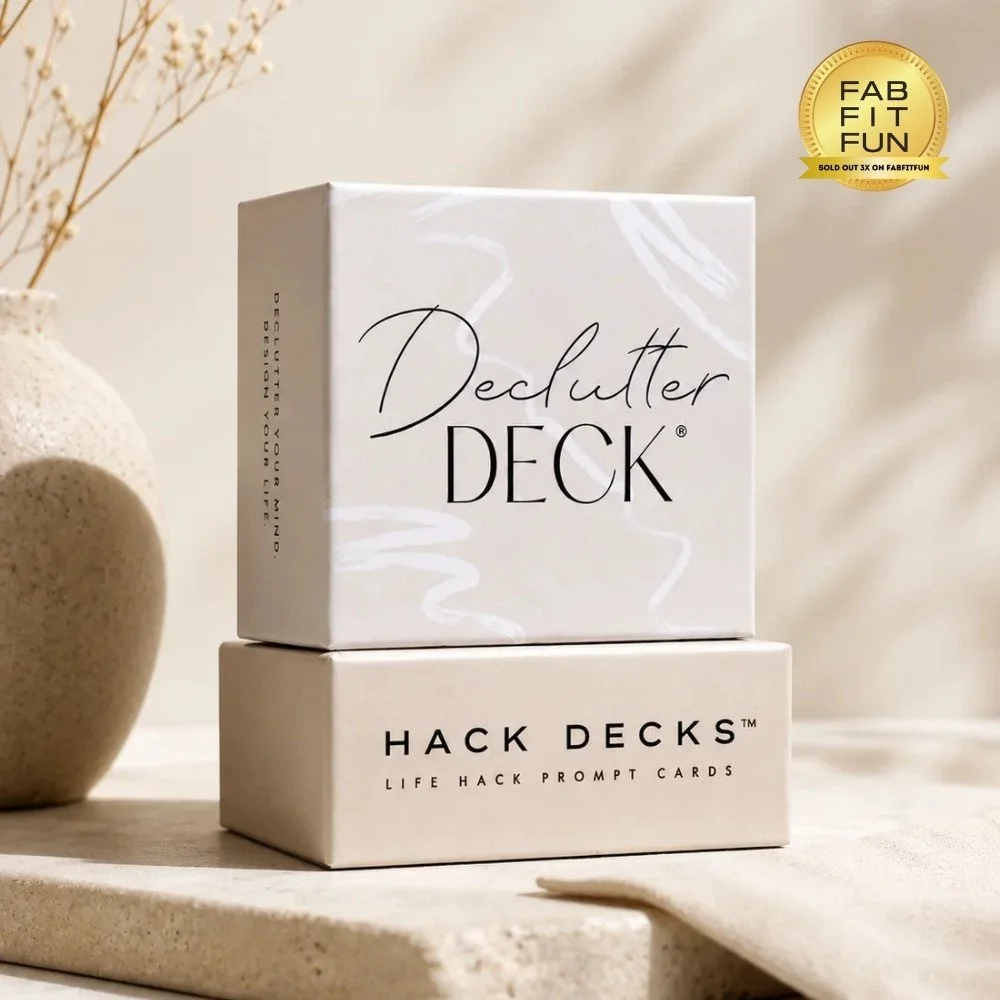
Organize at Home with Declutter Deck®
Prefer to organize on your own? Draw a Hack Decks prompt card, follow the action, and tackle one focused task at a time.
Pick a card. Follow the prompt. Start organizing.
A Simple Way to Start Decluttering
Declutter Deck® helps you declutter your home in small, manageable bites without overthinking where to begin.
Each of the 52 cards gives you one focused decluttering or organizing prompt so you can work through your home one area, category, or decision at a time.
How It Works
Pick a Card — Choose one focused prompt.
Tackle One Area — Work on a small space, category, or group of belongings.
Decide What Stays — Keep what you use, need, or love and let go of what no longer serves you.
Repeat When You’re Ready — Shuffle the deck and keep going at your own pace.
What You’ll Tackle
Prompts cover areas throughout the home, including closets, kitchens, bedrooms, bathrooms, offices, paper clutter, drawers, cabinets, storage areas, clothing, sentimental items, and everyday belongings.
Key Benefits
Know where to start
Reduce decision fatigue
Make decluttering feel more manageable
Create more usable space
Build momentum through small wins
Work at your own pace
Who It’s For
Designed for busy adults and families, people overwhelmed by clutter, anyone downsizing or simplifying, and those who prefer small, focused tasks over tackling an entire home at once.
What’s Included
52 decluttering and organizing cards
One focused prompt per card
Prompts for spaces and belongings throughout the home
A reusable deck you can shuffle and use again
Less Clutter. More Space for What Matters.
You do not need to declutter your entire home at once. Draw a card, follow the prompt, and focus on one area at a time.
Get your Declutter Deck® today, pull your first card, and start creating a home that feels lighter and easier to manage—one small space at a time.
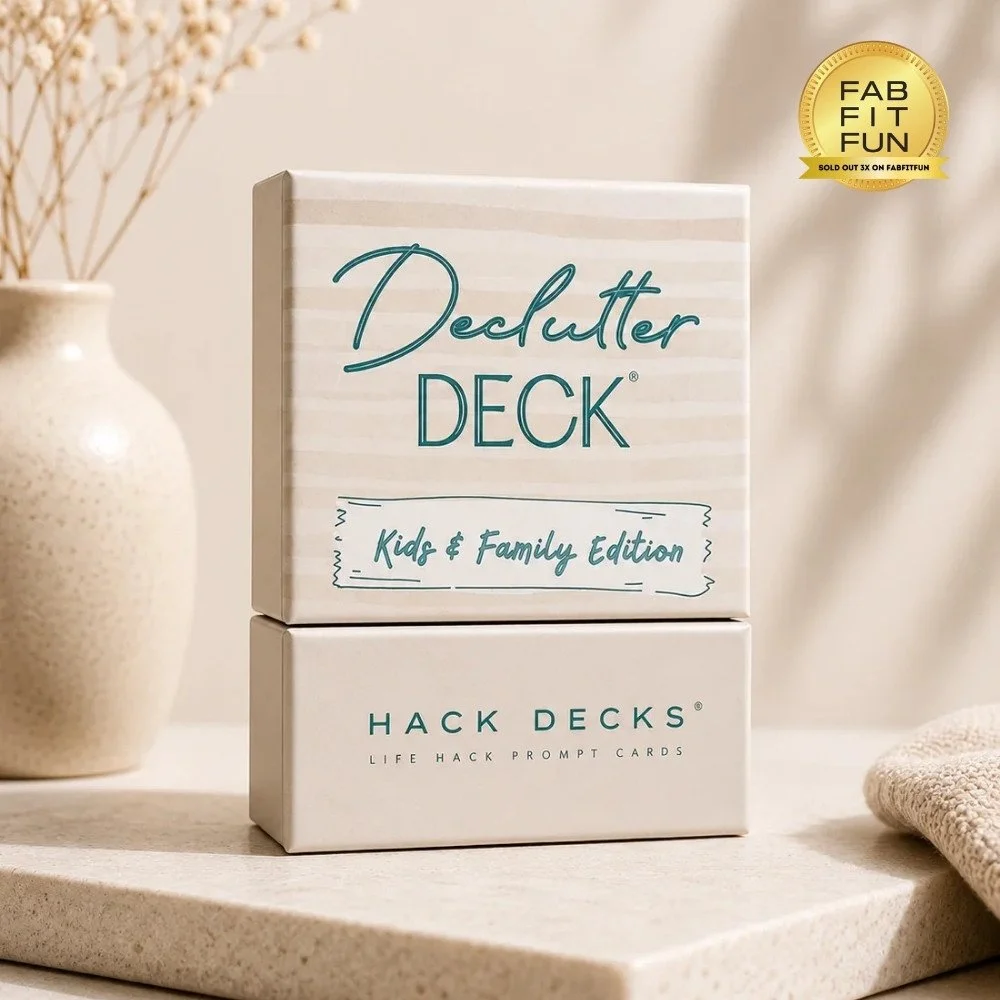
A Simple Way to Tackle Kid Clutter
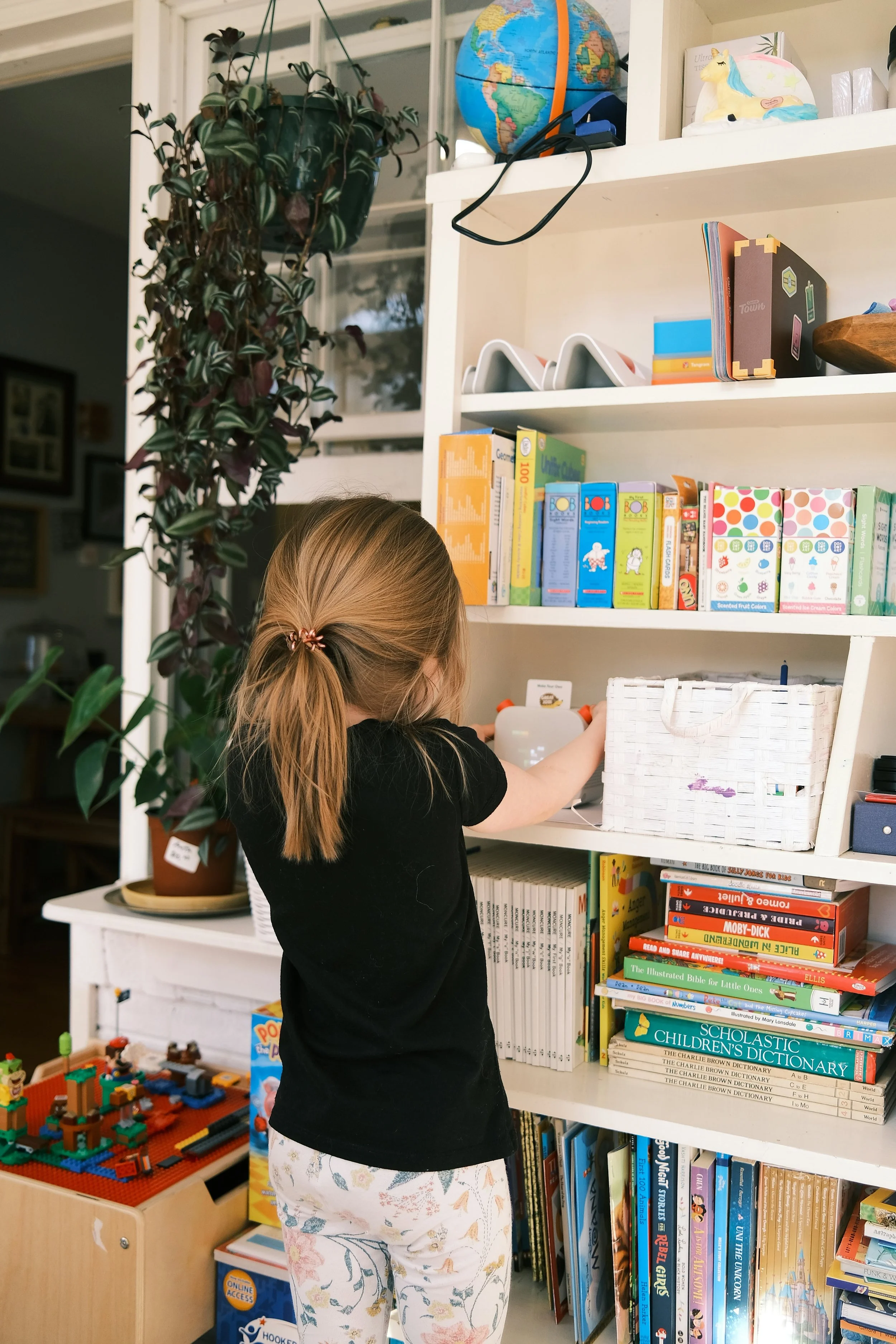
Declutter Deck: Kids & Family Edition helps families work through toys, clothes, books, school papers, crafts, and everyday kid clutter in small, manageable steps.
Each of the 52 cards gives you one focused decluttering or organizing prompt, so you always have a clear place to start.
How It Works
Pick a Card — Choose one focused prompt.
Tackle One Area — Work through one category or space at a time.
Make Decisions — Decide what to keep, donate, relocate, or let go.
Repeat as Kids Grow — Use the deck again as clothes, toys, and interests change.
What You’ll Tackle
Prompts cover toys, books, clothing, shoes, school papers, crafts, games, stuffed animals, sports gear, backpacks, bedrooms, playrooms, and shared family spaces.
Key Benefits
Know where to start
Reduce toy and kid clutter
Make decluttering feel more manageable
Lighten the mental load for parents by taking the guesswork out of what to tackle next
Help kids participate in age-appropriate decisions
Clear out outgrown and unused items
Make more room for what your family uses now
Who It’s For
Designed for busy families, parents overwhelmed by kid clutter, growing households, and anyone who wants a simpler way to declutter toys, clothes, papers, and family spaces.
What’s Included
52 kid- and family-focused cards
One decluttering or organizing prompt per card
Prompts for toys, clothing, books, papers, crafts, and more
A reusable deck you can shuffle and use again
Less Clutter. Less Mental Load.
Get Declutter Deck: Kids & Family Edition and make family decluttering easier—one small decision at a time.
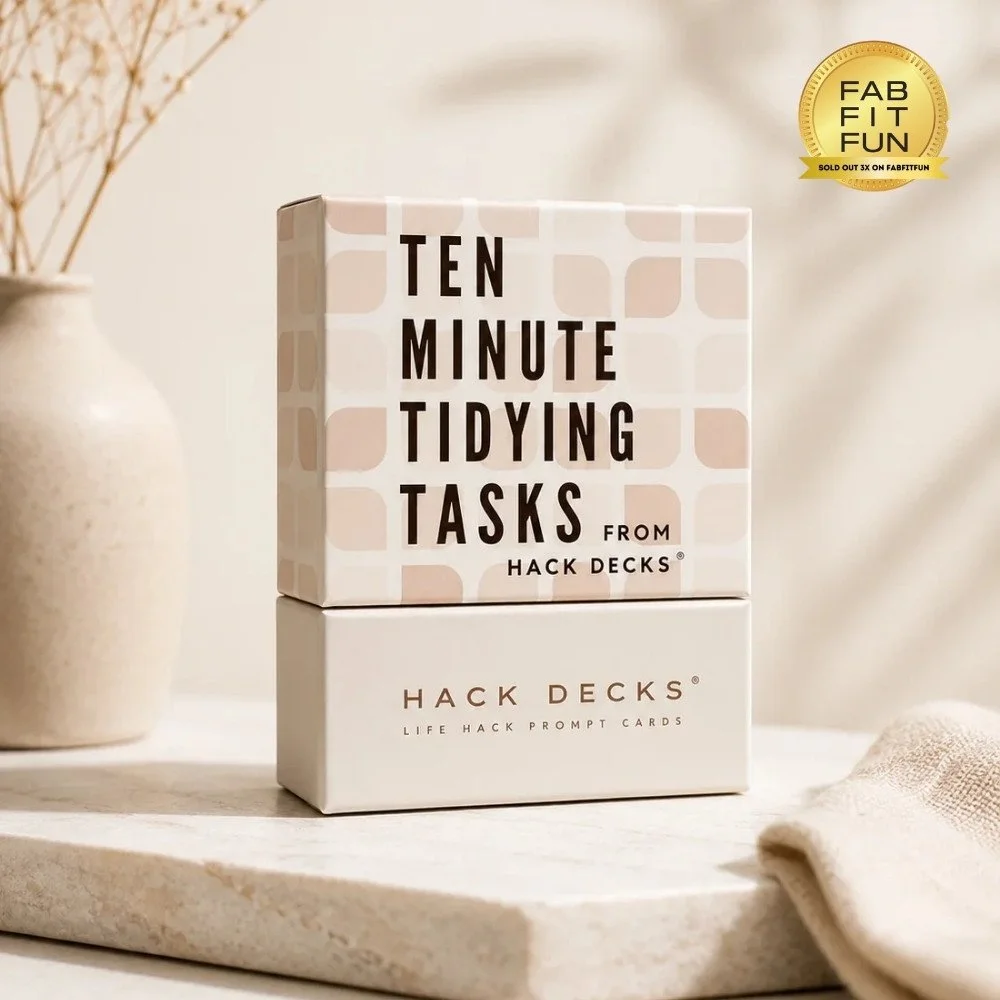
Speed Cleaning for a Quick Home Reset
Ten Minute Tidying Tasks™ makes speed cleaning easier by giving you one focused task at a time.
Each of the 52 cards includes a quick tidying or cleaning prompt designed to take about ten minutes, helping you reset everyday spaces without committing to a long cleaning session.
How It Works
Pick a Card — Let the deck choose one task.
Spend About Ten Minutes — Complete one quick, focused reset.
Move On — No long checklist or overthinking what to do next.
Repeat When Needed — Use the deck whenever your home needs a quick refresh.
What You’ll Tackle
Prompts cover kitchens, bathrooms, bedrooms, living spaces, entryways, closets, countertops, paper clutter, kids’ spaces, and everyday household mess.
Key Benefits
Reduce decision fatigue
Make ten minutes count
Keep everyday mess from building up
Fit cleaning into a busy schedule
Create quick visible progress
Make home upkeep feel more manageable
Who It’s For
Designed for busy parents, busy households, people short on time or energy, and anyone who prefers quick tasks over long cleaning lists.
What’s Included
52 tidying and cleaning cards
One focused task per card
Prompts designed for about ten minutes
A reusable deck you can shuffle and use again
Reset Your Home in Ten Minutes
Get Ten Minute Tidying Tasks™ and turn small pockets of time into quick, manageable home resets.
Declutter and Organize
With the insight of our organizing team and feedback from our clients, The Uncluttered Life created Declutter Deck prompt cards. These unique, focused, easy-to-use decluttering and organizing cards help you declutter and organize on your own. When used regularly, Declutter Deck can help you notice clutter, make decisions, and keep moving forward one area at a time.
Declutter Decks® help remove clutter blindness. Clutter blindness is one reason outside help (or structured tools like prompt cards) are so effective—they help you see your space again with fresh eyes. Clutter blind means you’ve stopped noticing the piles and extra stuff in your home because you see it every day. It blends into the background—until someone or something helps you spot it again.
Stop overlooking the clutter that has blended into the background. Pull a Declutter Deck® card, focus on one specific area, and clear what you no longer need, use, or want.
Pick a card. Spot the clutter. Clear it out. Make space.