

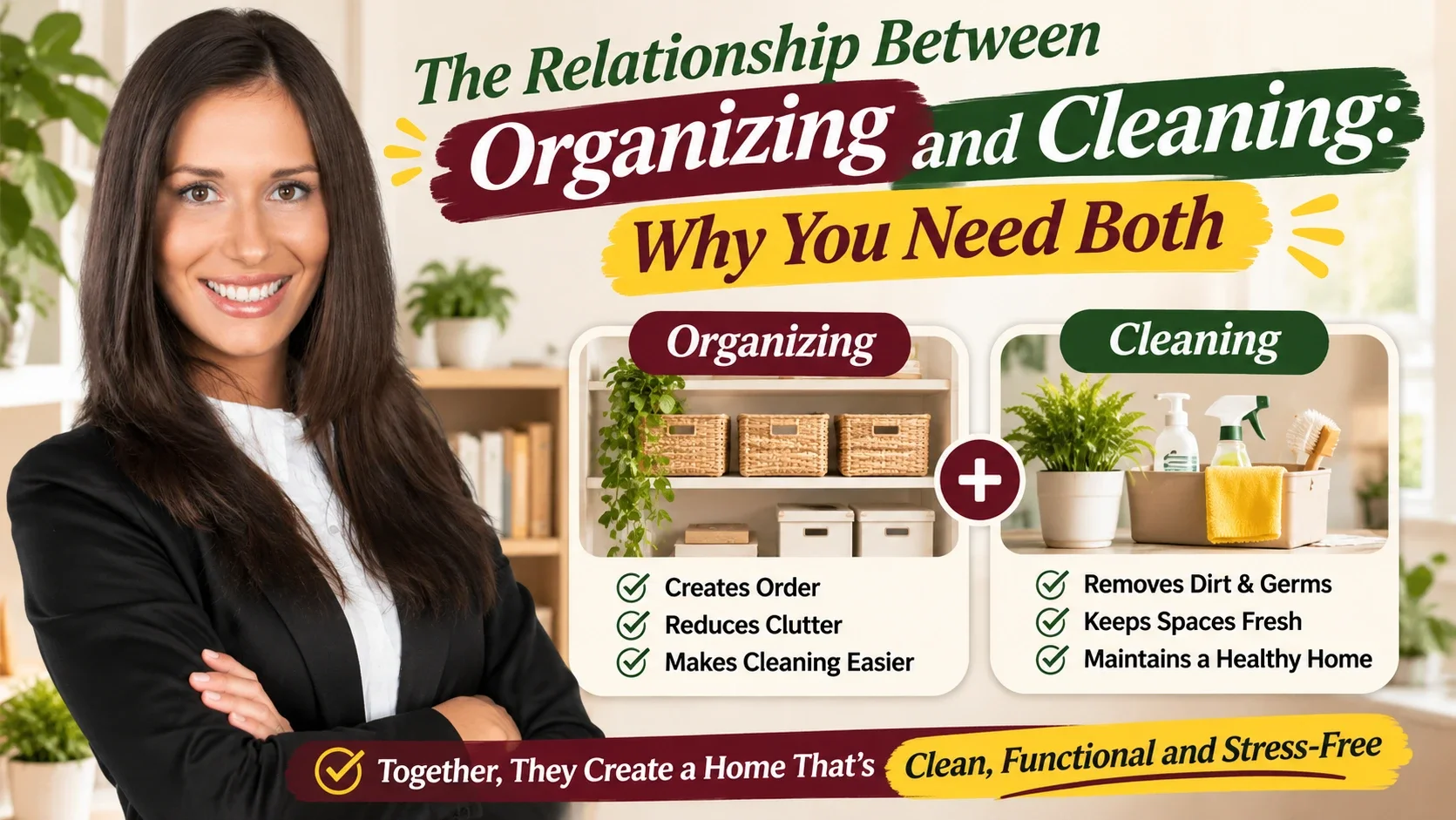
Where do cleaning and organizing intersect? Although these activities are closely related, they serve different purposes. When you begin decluttering your home, you quickly discover how much they depend on one another. Cleaning removes dirt and grime, while decluttering and organizing help you manage your belongings and create functional spaces. Together, these activities make your home easier to use, maintain, and enjoy.
Just as you budget your money, it helps to budget your time and energy for cleaning and organizing throughout the week. Both are important life skills that often require practice, consistency, and realistic expectations. Too often, we assume that keeping a clean, organized home should come naturally. In reality, developing effective household routines takes time, and the systems that work for one person may not work for another.
At The Uncluttered Life, we believe that home organization should make everyday life easier rather than become another overwhelming responsibility. Whether you are struggling with clutter, maintaining organized spaces, or finding enough time for household cleaning, the goal is to develop practical systems that fit your lifestyle. Our Declutter Deck® offers focused home decluttering and organizing prompts to help you make progress one manageable task at a time.
Defining the Differences
Understanding the relationship between organizing and cleaning begins with recognizing that decluttering, organizing, and cleaning are three distinct activities. Although they often overlap, each serves a different purpose and contributes to maintaining a functional home.
Decluttering involves evaluating your belongings and deciding what to keep, donate, recycle, or discard. This is where you reduce the volume of unnecessary possessions before attempting to organize what remains. It may involve practical considerations, such as whether something is useful, as well as emotional decisions about sentimental belongings, gifts, and items connected to earlier stages of life.
Organizing comes after decluttering and focuses on creating designated places for the belongings you choose to keep. This might involve grouping similar items together, arranging frequently used supplies within easy reach, or creating storage systems that make everyday routines more efficient. A successful organizing system helps you find what you need and makes putting things away simple.
Cleaning, on the other hand, involves removing dirt, dust, spills, grease, and other unwanted substances from surfaces throughout your home. Activities such as vacuuming, dusting, mopping, wiping countertops, and scrubbing sinks fall into this category. Cleaning helps maintain the condition and hygiene of your living environment, while organizing addresses how your belongings are stored and managed.
A room can be organized but still need cleaning, just as a freshly cleaned room can remain cluttered and difficult to use. For example, a kitchen may have spotless countertops but overcrowded drawers and cabinets. Alternatively, a beautifully organized pantry may still need its shelves wiped down and expired food removed.
The most effective approach is to understand what each space actually needs. Sometimes the priority is reducing clutter, sometimes it is establishing better storage, and sometimes it is simply completing routine cleaning tasks. Often, all three activities work together to create a comfortable, functional home.
Finding Your Path Forward
There is no shame in asking for help with cleaning or organizing. Some households find that hiring a cleaning service makes it easier to maintain their homes, while others benefit from working with a professional organizer to reduce clutter and create more functional spaces. These services address different needs, and understanding the distinction can help you decide which type of assistance would be most useful.
You can also develop these skills on your own. Books, instructional videos, organizing blogs, and practical household routines provide opportunities to learn techniques that fit your lifestyle. The important thing is to start with manageable changes rather than expecting yourself to master everything immediately.
Creating a cleaner, more organized environment may also support your sense of well-being. The Cleveland Clinic discusses how reducing household clutter can contribute to a positive mental reset. Although cleaning and organizing are not substitutes for mental health care, having fewer unnecessary belongings and more manageable household routines may help reduce everyday frustration.
If you need personalized guidance, The Uncluttered Life offers professional home organizing and decluttering services throughout the Dallas–Fort Worth area. We also provide Virtual Organizing services nationwide, allowing you to receive professional recommendations and develop practical systems from the comfort of your home.
Whether you choose professional assistance or prefer to work independently, the goal is the same: creating a home that functions well and feels easier to maintain.
The Power of the Zone Method
One practical way to manage the relationship between organizing and cleaning is to divide your home into smaller, designated zones. Instead of looking at the entire house and feeling overwhelmed by everything that needs attention, you focus on one specific area at a time. This approach makes large projects more manageable and gives you a clear starting point.
For example, you might divide your kitchen into zones for countertops, cabinets, drawers, and pantry storage. In a bedroom, you could create separate zones for the closet, dresser, nightstands, and other storage areas. Each zone becomes a manageable project that you can address according to your available time and energy.
Within each zone, begin by evaluating the belongings stored there. Remove anything that no longer serves a purpose, relocate items that belong elsewhere, and group similar possessions together. Once the space is cleared, wipe down shelves, drawers, or other surfaces before returning the items you have decided to keep. This allows you to combine decluttering, cleaning, and organizing in a logical sequence rather than repeatedly moving the same belongings around.
The zone method also makes maintenance easier because you can return to individual areas without tackling the entire house. You might spend a few minutes refreshing your bathroom drawers one day and address a kitchen cabinet later in the week. Over time, these smaller projects can help you maintain a home that is both clean and organized.
The key is to remember that decluttering reduces what you own, organizing gives those belongings a home, and cleaning keeps the space fresh. When these activities work together, maintaining your home becomes more manageable.
Action Steps to Master Your Zones
Understanding the relationship between organizing and cleaning becomes easier when you put a few practical strategies into place. Dividing your home into smaller zones allows you to focus on one area at a time rather than feeling overwhelmed by everything that needs attention. These simple steps can help you create a routine that combines decluttering, organizing, and cleaning in a manageable way.
Complete One Zone at a Time
Focus on cleaning and organizing one designated zone before moving on to another. A common mistake is beginning a project in the kitchen, finding something that belongs in the living room, and then getting distracted by a new organizing task in that space. Before long, you have several unfinished projects and clutter scattered throughout the house.
To avoid this, keep a small basket nearby for belongings that need to be returned to other rooms. Continue working within your chosen zone, and relocate those items once the original task is finished. This helps you maintain focus without interrupting your progress.
Choose a zone that fits the time and energy you have available. You might tackle one kitchen cabinet, a bathroom vanity, or a section of your closet. Completing a manageable project from beginning to end creates a sense of accomplishment and makes it easier to approach the next area.
Use the Circle Method
The circle method provides a consistent way to work through a room without overlooking areas that need attention. Begin at one point in the room and move systematically around the space, working from left to right or in whichever direction feels most natural. Within each section, start at the top and work downward.
Cleaning from top to bottom is helpful because dust and debris from higher surfaces may fall onto areas below. For example, begin with upper shelves or cabinets before wiping countertops, cleaning lower storage areas, and finishing with the floor. This sequence can reduce the need to clean the same surface more than once.
You can also combine organizing with cleaning as you move through each zone. Remove unnecessary belongings, wipe down accessible surfaces, group similar items, and return what you have decided to keep. Once the higher areas are complete, finish by sweeping, vacuuming, or mopping as appropriate for the flooring.
The goal is not to follow a rigid pattern but to establish a reliable routine. Working systematically helps you stay focused, recognize what you have completed, and avoid repeatedly moving between unfinished tasks.
Break It Down by Days
If your schedule does not allow you to dedicate an entire afternoon to cleaning and organizing, divide your projects into smaller sessions throughout the week. Instead of attempting to complete several rooms in one day, choose one manageable zone to address during each session.
For example, you might organize a kitchen drawer on Monday, clean and declutter the bathroom vanity on Tuesday, and tackle one section of your closet later in the week. Adjust the schedule according to your available time, energy, and household priorities. Some zones may take only 10 or 15 minutes, while others may require several sessions.
Breaking projects into smaller tasks helps prevent exhaustion and makes it easier to maintain consistency. When you know exactly which area you are working on and what you want to accomplish, getting started becomes less intimidating. You can focus on completing one task thoroughly rather than rushing through the entire house.
Remember that the purpose of dividing work into zones is to make household maintenance more manageable. There is no need to complete a zone every day if that does not fit your lifestyle. Choose a pace you can realistically maintain and return to unfinished areas when you have the time.
A Home That Works for You
Understanding the relationship between organizing and cleaning is an important part of creating a home that functions well. Decluttering reduces unnecessary belongings, organizing establishes practical places for what remains, and cleaning maintains the condition of your living spaces. When you approach these activities as complementary skills, everyday household maintenance can become easier and more efficient.
The goal is not to create a perfectly clean and organized home at every moment. It is to develop routines that support your lifestyle and make your space comfortable to use. By working in zones, following a consistent cleaning sequence, and breaking larger projects into manageable sessions, you can make steady progress without feeling overwhelmed.
If you need help deciding where to begin, The Uncluttered Life's Declutter Deck® offers focused home decluttering and organizing prompts. Each card provides a manageable project that helps you take action without having to plan every step yourself.
For additional advice on simplifying your home, establishing organizing routines, and maintaining your progress, explore The Uncluttered Life's home organizing blog. You will find practical guidance for addressing clutter, improving everyday household systems, and creating spaces that work for your family.
A clean and organized home is not about perfection. It is about creating practical systems that make everyday life easier, reduce Mess Stress™, and give you more time to enjoy the spaces you call home.