

How Do I Start Decluttering? 8 Steps to Begin the Decluttering Process
How do I start decluttering is one of the most common questions I hear, and it is a fair one. People want a clean answer and a clear starting point. The truth is there is no single magic formula because every home and every situation is different. What does help is stepping back, assessing your space, and choosing a simple plan you can follow.
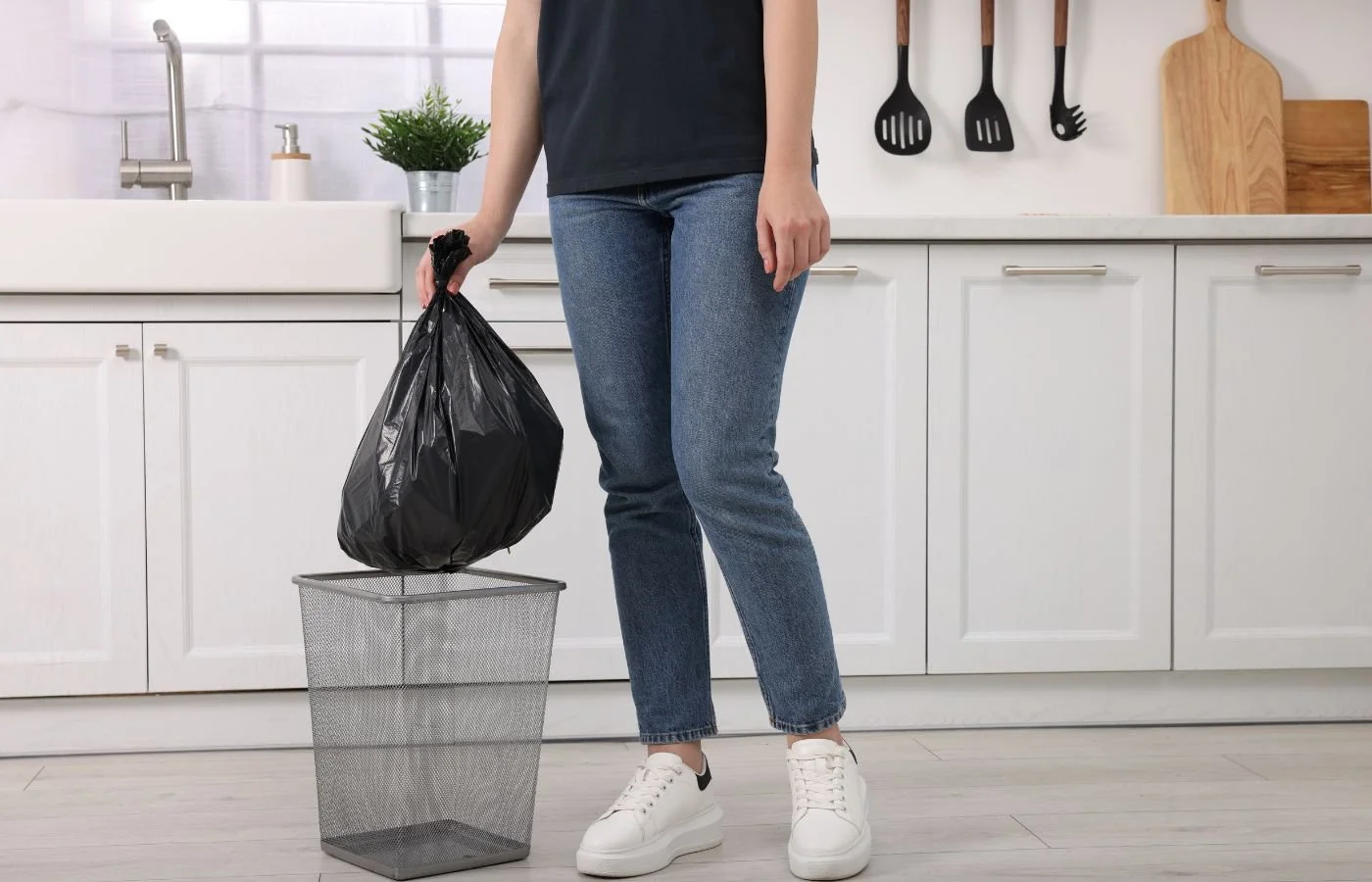
I usually encourage people to start with an easy area first, then build momentum. Before you tackle anything complicated, begin with what can be removed immediately. Trash on a nightstand, old papers on the counter, packaging you meant to recycle, these are quick wins that change the feel of a room fast. You do not need to sort or store trash. You just remove it.
Below are eight practical steps that make the decluttering process easier to start and easier to stick with.
Step 1 Toss the Trash First
Trash is the fastest clutter to eliminate because it requires no emotional decision making. It includes junk mail, empty boxes, old bags, packaging, and anything broken or unusable. If it does not belong in your home anymore and cannot be used, it is trash.
Getting rid of trash changes your space quickly because it clears surfaces and pathways. Countertops are a common trouble spot. When counters are used as landing zones for paper and random items, visual clutter builds daily. Clearing them gives your brain fewer distractions and makes the whole room feel more controlled.
If you are unsure whether something is trash, ask one simple question. Would I pay money to move this to another house. If the answer is no, it is probably time to let it go.
Step 2 Pick a Small Area That Feels Easy
Starting small is not a cop out. It is a strategy. Choose a drawer, a small cabinet, or one shelf. A junk drawer is a good choice because it usually holds a mix of items that do not belong together, which makes it easier to spot what is unnecessary.
Remove the contents completely and place them on a surface that is easy to wipe down. Then clean the drawer itself. Wiping it out with a slightly damp cloth and letting it dry makes the space feel fresh, and that matters more than people think. A clean container makes you more intentional about what goes back in.
Limit yourself to that one space. Finishing something small builds confidence and makes it easier to return tomorrow.
Step 3 Make Three Categories Keep Donate Toss
Once everything is out, create three clear categories. Keep, donate, toss. This step prevents you from making the same decision repeatedly. It also keeps you from sliding into the habit of shifting items around without actually reducing anything.
Put keep items in one pile. Place donate items into a bag or box that will leave the house soon. Toss items should go straight into a trash bag or recycling bin if appropriate. This keeps the process clean and prevents clutter from migrating into a new pile somewhere else.
As you sort, group like items together. Seeing duplicates side by side helps you recognize overbuying and makes it easier to choose the best version and release the rest.


Step 4 Decide Where the Keep Items Actually Belong
A big part of clutter is not knowing where things live. Items end up in random drawers and piles because there is no clear home for them. Once you decide to keep something, the next question is where it belongs in your house.
Thinking in categories helps, and this is where Marie Kondo’s approach can be useful even if you do not follow her full method. Store similar items together so you can find what you need quickly. Some people use the thirty second rule, meaning if you cannot find something within thirty seconds, it may be stored in the wrong place.
Knowing what you own helps you stop buying duplicates. It also reduces the daily frustration of searching for things you already have.
Step 5 Group and Sort so Daily Life Feels Easier
Group items in ways that support how you actually live. Keys should be kept together so you are not hunting for extras. Mail supplies like stamps, cards, and envelopes should live in one place if you want sending a card to be simple.
This is where stations can help. A small area set up for one task removes friction. A drawer for paperwork tools, a shelf for pet supplies, or a closet area for linens makes it easier to maintain order because you are not reinventing the system every time.
When your systems match your habits, clutter has fewer places to accumulate.
Step 6 Use the One In One Out Rule as Maintenance
The one in one out rule is a simple way to prevent clutter from returning. It does not have to be rigid, but it does help you stay aware of volume. If you bring in a new item, consider whether an older one should leave.
This is especially useful for categories where duplicates pile up easily, like toiletries, medicines, cleaning supplies, and kitchen tools. I personally review household supplies and over the counter medicines about every six months so nothing expires quietly in the back of a cabinet.
The goal is to buy what you truly need, use what you own, and keep excess from building. If you slow what comes into the house, you will not need to declutter as often.
Step 7 Stop Keeping Things for the Next Generation
Many people hold onto items because they assume their children or grandchildren will want them someday. In most cases, they will not. Tastes change and lifestyles change. What feels like a treasure to one generation is often a burden to the next.
If you truly believe someone will want an item, ask them. If they do, give it to them now or write it down so it becomes a real plan instead of an assumption. If they do not want it, accept that answer with grace and let the item go.
Keeping something out of obligation turns your clutter into someone else’s responsibility later.
Step 8 Declutter in Small Chunks of Time
Decluttering takes time, and it is easier to stick with when you work in manageable sessions. You do not need full days to make progress. Thirty to sixty minutes of focused work can produce real change, especially when you have a plan and clear categories.
Working in smaller blocks also gives you space to make decisions thoughtfully. Decluttering can bring up emotions, especially in sentimental categories or long ignored areas. Give yourself enough time to think, decide, and finish a session cleanly.
Consistency matters more than intensity. Keep a steady pace and you will see progress sooner than you expect and improve your mental health.