

How Small Decisions Turn Into Big Clutter Problems

Clutter rarely appears all at once. It builds slowly through small, repeated decisions that seem harmless in the moment. A receipt placed on the counter instead of thrown away. A drawer that gets closed without being sorted. An item set aside to deal with later.
Over time, those small choices add up. What began as a few delayed decisions becomes a space that feels harder to manage.
Understanding how small decisions turn into big clutter problems changes the way you approach your home. The focus shifts from large cleanouts to the daily habits that shape how clutter forms in the first place.
How Clutter Builds Over Time
Most clutter forms through accumulation rather than intention. Items enter the home one at a time. A purchase here, a gift there, something saved for later use.
At the same time, decisions about those items get postponed. Instead of being sorted immediately, they are placed in a temporary spot.
Temporary spots tend to become permanent.
A stack of papers on the counter grows because each new piece is added without addressing the ones already there. A drawer fills because items are placed inside without removing anything first.
Clutter builds through these small patterns.
The Role of Postponed Decisions
One of the biggest reasons clutter accumulates is delayed decision-making.
When you pick up an item and think, I will deal with this later, the decision does not disappear. It simply gets stored along with the object.
Each postponed decision creates a small amount of mental load. When dozens of these decisions stack up, the space begins to feel heavier.
Addressing items as they appear prevents that buildup. Even a quick decision reduces the number of open loops in your home.
Why Small Habits Matter More Than Big Cleanouts
Large decluttering sessions can be helpful, but they do not address the habits that created the clutter.
Without changes to daily behavior, clutter tends to return. New items take the place of the ones that were removed.
Small habits shape the condition of a home over time. Putting items away after use, removing what is no longer needed, and making decisions in the moment all reduce the chance of clutter building again.
Consistency matters more than intensity.
How Clutter Habits Form Without Notice
Clutter habits often develop without much attention.
Leaving items out becomes normal. Holding onto things for future use becomes routine. Buying duplicates becomes easier than searching for what you already own.
These patterns do not feel significant on their own. They become noticeable only after they have repeated many times.
Recognizing these habits is the first step in changing them.
The Impact of “Just for Now” Decisions
Many clutter problems begin with a simple thought. I will put this here for now.
That temporary placement often lacks a follow-up action. The item remains in that spot, and other items begin to gather around it.
Surfaces that start out clear become holding areas. Over time, those areas become harder to reset because they contain too many items.
Choosing a permanent place for objects from the beginning prevents this pattern.


Why It Feels Hard to Reverse Clutter
Once clutter builds up, it can feel difficult to reverse. The number of decisions increases, and the process begins to feel larger than it actually is.
Each item requires attention. The more items there are, the more effort it takes to sort through them.
This can create a cycle where clutter leads to avoidance, and avoidance leads to more clutter.
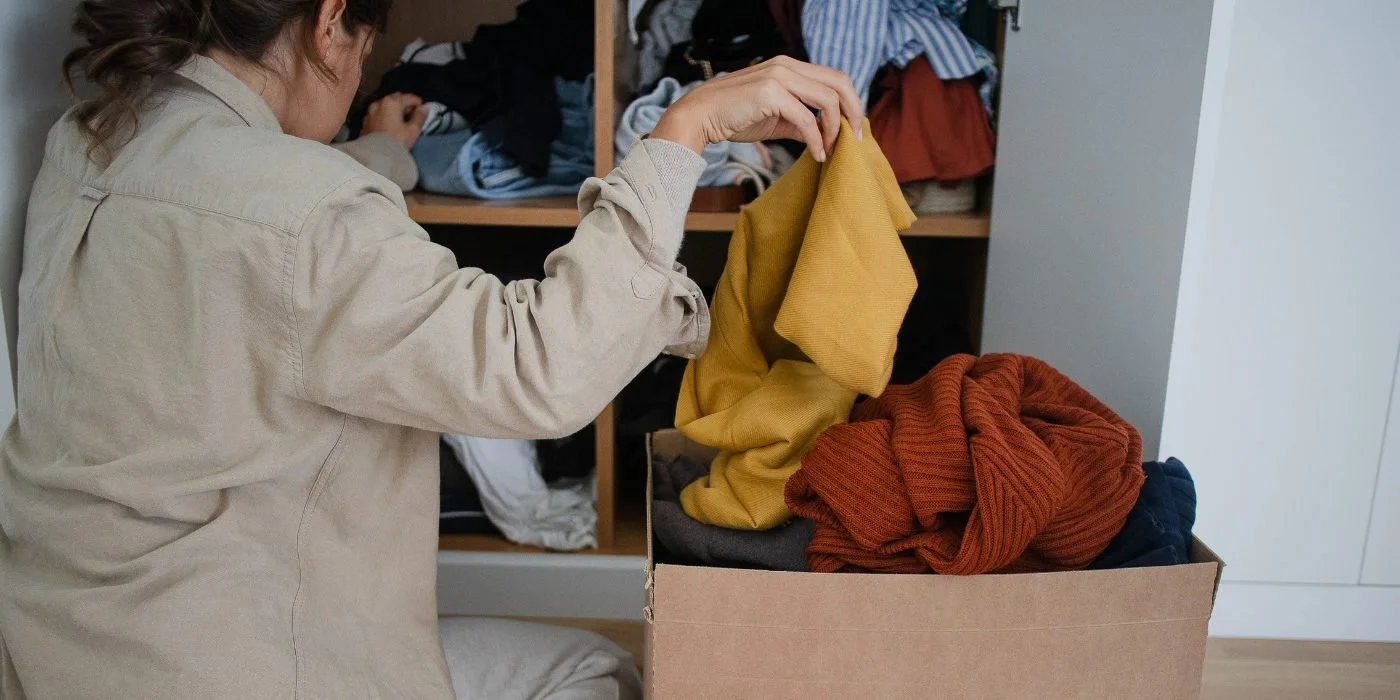
Breaking that cycle starts with small actions. Clearing one surface or one category reduces the number of decisions that need to be made.
Preventing Clutter Before It Build
Preventing clutter is often easier than removing it later.
A few simple habits can make a significant difference.
Make decisions when items enter the home.
Assign a place for each item immediately.
Remove something when it is no longer useful.
Avoid keeping duplicates without a clear purpose.
These actions reduce the number of items that accumulate over time.
A Practical Way to Reset the Pattern
If clutter has already built up, the process of clearing it does not need to be complicated.
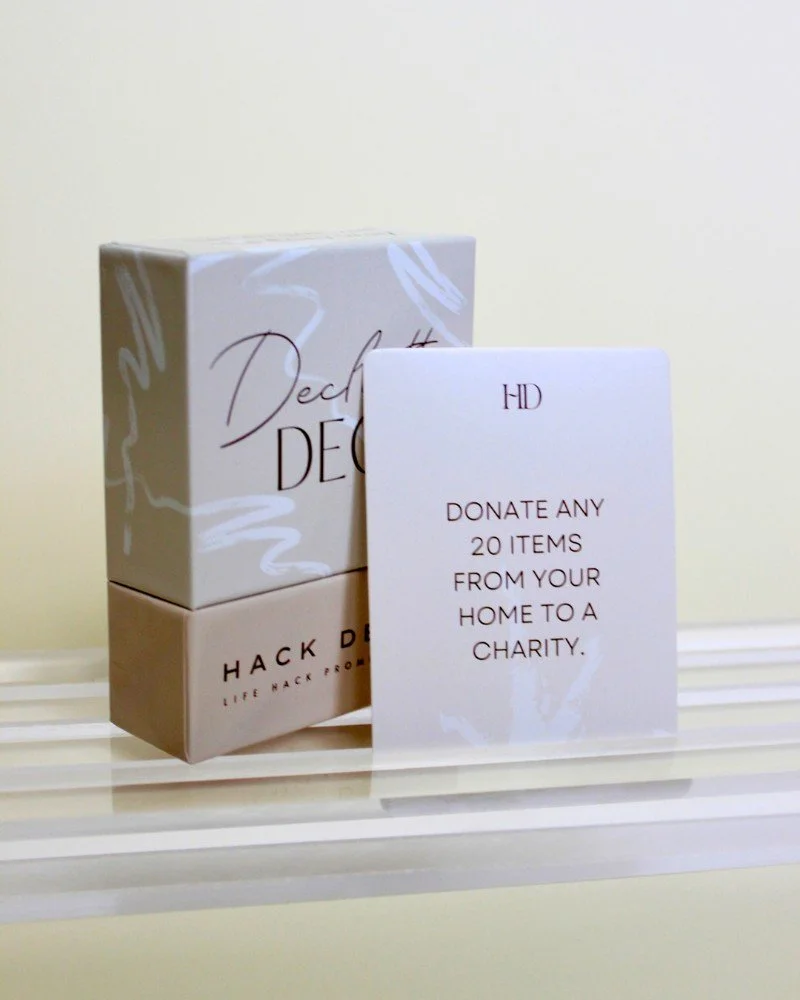
Start with one small area. Make decisions about each item. Remove what is no longer needed. Return what remains to a defined place. Use our Declutter Deck as a guide to take one step at a time.
Repeat this process consistently.
Each small reset changes the pattern. Over time, the home becomes easier to maintain because fewer decisions are left unfinished.
A Different Way to Think About Clutter
Clutter is not usually the result of one large mistake. It is the result of many small decisions that go unnoticed.
When you begin to notice those decisions, you gain more control over how your space functions.
Small choices shape the environment you live in every day. Adjusting those choices gradually leads to a home that feels more manageable and easier to maintain.
