

Entryway Organization
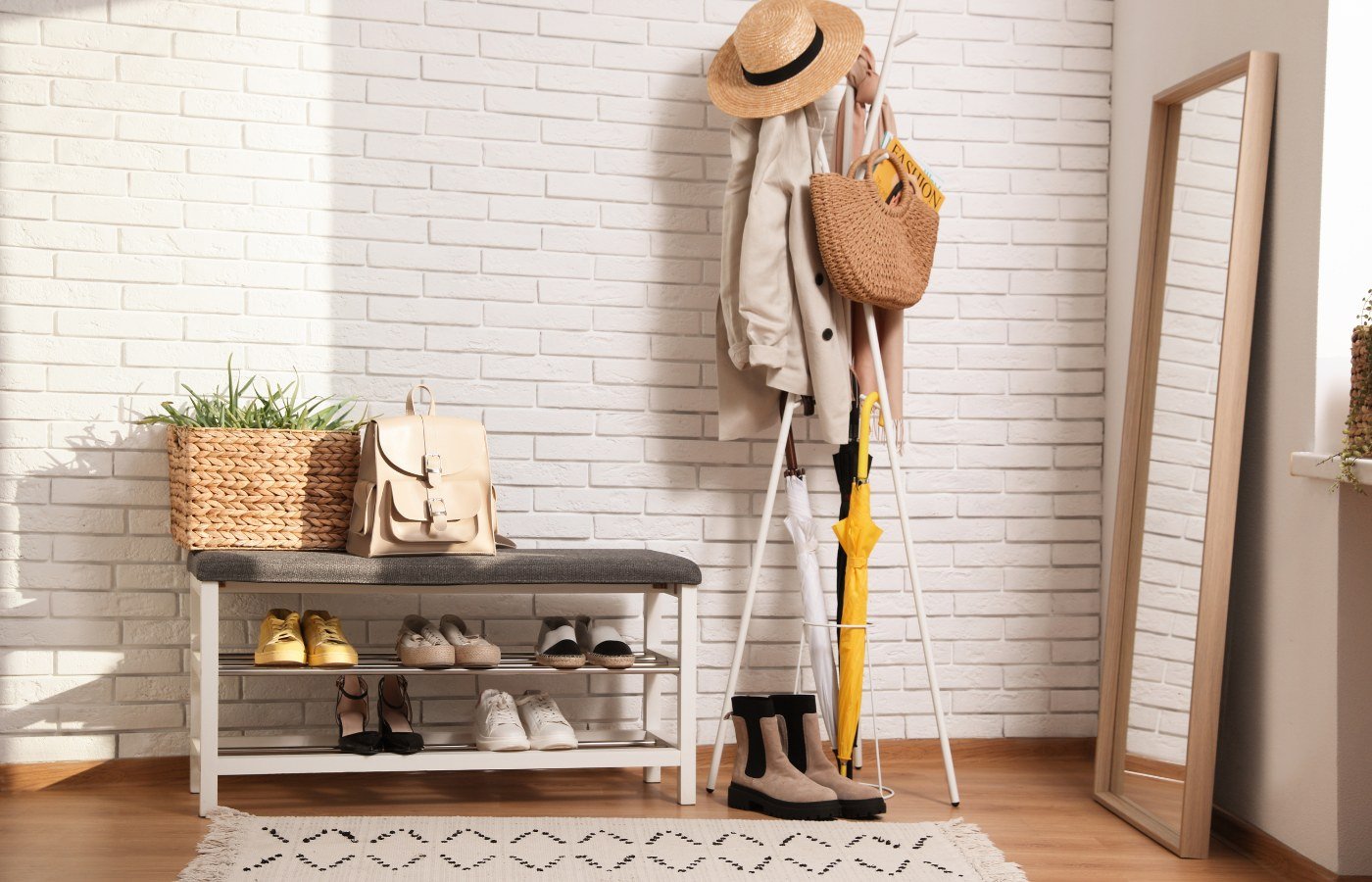
Entryway organization influences how your day begins and how it ends. This small space carries more weight than most people realize. When the first steps you take in the morning involve dodging shoes, searching for keys, or moving piles of bags, your day starts with unnecessary stress. When you return in the evening to a cluttered or chaotic entryway, your mind stays tense even before you have time to settle. Entryway organization changes that rhythm. Whether you live in a spacious home with a full foyer or a compact apartment with only a few feet of floor, you can create an entry that feels peaceful, clear, and thoughtfully arranged. The Declutter Deck® from The Uncluttered Life can guide the habits that protect this important space.
Entryways carry everyday movement. They collect shoes, jackets, mail, backpacks, umbrellas, and everything you bring in or send out. Without a system, the space fills quickly and becomes a landing zone for clutter. With the right structure, the entry becomes a place of ease. You know where to place items when you return home. You know where to find them when you leave. You move through the threshold without friction, and your day gains a smoother start.
Entryway Organization Begins with Understanding How the Space Works
Entryway organization starts with a simple but revealing exercise. Walk outside your home, then walk back in as though you are arriving after a long day. Pay attention to what slows you down. Notice where clutter gathers. Notice where your eyes go first. This walk-through shows you exactly what needs attention.
Repeat the same process in reverse. Walk from your entryway to the outside as though you are leaving for work or errands. What feels awkward. Where do you hesitate. Where do your hands get full. These small observations reveal the strengths and weaknesses of your current setup and help you plan improvements that match your daily routine.
The next step is decluttering. Entryway organization cannot happen without removing what you do not need. Entryways are small, and small spaces magnify clutter. Sort items into four clear categories: keep, trash or recycle, misplaced, and maybe. The keep items should be those you use often and need to reach quickly. The misplaced items should be returned to their true homes elsewhere in the house. The maybe pile should be revisited once everything else is sorted, since perspective often changes when the space starts to breathe.
Being ruthless at this stage pays off. Entryway organization works best when you keep only what supports your daily flow. Fewer items create more clarity and more physical space. The room feels larger. The air feels lighter. The routine feels calmer.


Clear Habits That Support Entryway Organization
Small habits protect the work you put into this space. Entryway organization is easier to maintain when everything is easy to grab and easy to put away. This includes a clear spot for keys. A simple hook or tray near the door ensures you always know where they are. This alone saves minutes each morning and removes one of the most common stressors.
Vertical space often goes unused in entryways. Hooks, wall racks, floating shelves, and tall cabinets help you take advantage of height without cluttering the floor. Vertical storage keeps jackets off chairs, bags off the ground, and umbrellas out of doorways. When items are lifted and stored at eye level or shoulder level, the floor stays clear and the space feels open.
Shoe storage is another essential part of entryway organization. Keep the smallest number of shoes in this space. Choose racks or low profile shelves to keep everything contained. Shoes left on the floor create visual clutter and trip hazards. A small shoe basket for children or a narrow rack for everyday pairs helps maintain order.
Mail is one of the fastest ways an entryway becomes overwhelmed. Processing mail immediately is one of the simplest habits you can build. Sort out junk mail as soon as you bring it inside. Place bills or important documents in a designated spot. Do not let the pile grow. A small tray for incoming paper can help, but only if it is emptied regularly.
Entryway Organization That Matches Your Lifestyle
Every home is different, and every entryway carries different responsibilities. A family with children needs hooks at kid height and open bins they can manage easily. A home with pets needs a place for leashes, waste bags, and towels for muddy paws. A small apartment needs compact solutions that do not crowd the walkway. A larger home might benefit from a bench with deep drawers or a tall cabinet for seasonal items.
Ask yourself what the entryway needs to do each day. Should it hold backpacks. Should it hold grocery bags. Should it hold a pet carrier, work bag, or gym gear. Entryway organization succeeds when the space reflects your real life rather than a perfectly staged photo.
Once you understand your needs, plan zones. A zone can be a single shelf, a small basket, or an entire section of wall. The purpose of a zone is clarity. Bags in one place. Shoes in one place. Mail in one place. Coats in one place. The less you have to think about where things go, the easier it is to maintain the system.
Tools That Support Entryway Organization
An outbox is one of the most effective tools for entryway organization. This can be a basket or a bin placed near the door. Anything that needs to leave the house goes in the outbox: returns, borrowed items, donations, packages, or things that belong in the car. The outbox prevents loose items from scattering across the room and serves as a visual reminder to act.
A coat closet benefits from the same intentional approach. Keep the floor clear unless you intentionally store items there. A few sturdy hooks help when children or guests forget to hang items properly. Shelves can hold hats, gloves, or smaller pieces that tend to disappear.
Lighting also shapes how the entryway feels. Bright, warm lighting prevents the space from looking cluttered even when several items share the area. Clear lighting helps you find things quickly and makes the room feel more welcoming.
Materials matter as well. Wipeable bins, sturdy baskets, washable rugs, and durable hooks make maintenance easier. Entryways collect dirt and moisture from outside, so choose items that handle wear without stress.
Maintaining an Organized Entryway Over Time
Entryway organization stays in place when you revisit the space regularly. A quick weekly reset removes the buildup that naturally happens in busy households. Look for items that have wandered from their zones. Remove shoes that no longer belong at the door. Empty the outbox. Clear mail before it grows into a pile that demands attention.
Seasonal reviews are helpful too. Switch out winter gear for lighter items. Replace the umbrella bin with sun hats. Rotate coats and jackets based on weather. These seasonal adjustments keep the space relevant and prevent overcrowding.
Entryway organization does not require hours of maintenance. It only needs consistent attention. A few minutes each week keeps the system smooth and supportive.
A Small Space with a Big Impact
An organized entryway influences how you feel about your home. It greets you with order. It settles your mind when you return from a long day. It prepares you for the next morning without the rush of searching for missing items. Entryway organization creates a gentle rhythm. It keeps chaos out of the threshold and invites calm into your routine.
By arranging this space with intention, you create a daily welcome that feels peaceful and grounded. A clear path. A space that works. A moment of ease that carries into the rest of your home.