

Cohesive Home Decor Tips To Create A Pulled Together Space
Cohesive home decor is the secret to a house that feels intentional rather than accidental. When you walk into a room that has been thoughtfully arranged, you instantly feel a sense of balance. This does not happen by chance or by buying every item from the same showroom floor. Instead, it comes from striking a balance between different styles and details that reflect who you are. A well-organized space helps you function better while bringing a clear personality to your surroundings.
Many people struggle with the idea of a cohesive home because they feel they have to stick to one strict aesthetic. This is actually a common misconception in interior design. You can mix various styles and still maintain a unified look if you have a plan. Using tools like the Declutter Deck from The Uncluttered Life can help you find those starting points. The goal is to create an environment that feels finished and purposefully designed.
Defining The Foundation Of Cohesive Home Decor
To start building a look that works, you should understand the four major decorating styles that serve as the base for almost every design choice. These styles are Traditional, Modern, Rustic, and Industrial. Most specific aesthetics like Farmhouse, Mid Century Modern, or Coastal are just variations or combinations of these four pillars. Knowing which one resonates with you most provides a helpful starting point for all your future purchases.
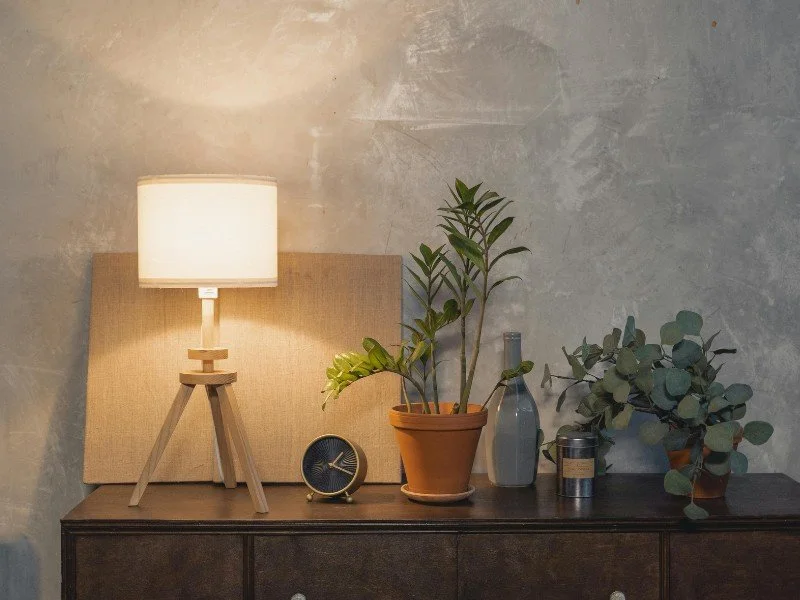
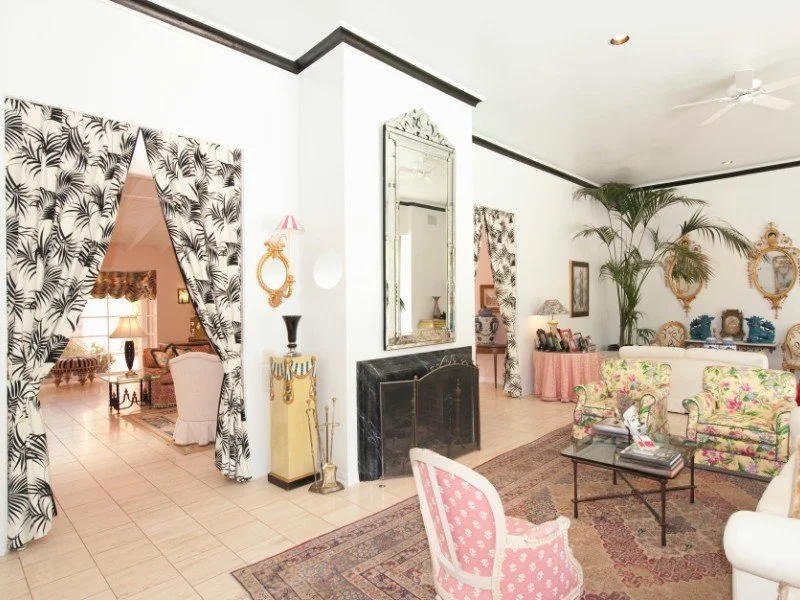
Traditional style often focuses on classic details, dark wood, and symmetrical arrangements. Modern design is characterized by clean lines, a simple color palette, and the use of materials like metal and glass. Rustic decor emphasizes natural beauty with rugged, weathered textures and organic shapes. Industrial style draws inspiration from old factories and urban spaces, featuring exposed brick, wood, and metal. Understanding these basics helps you narrow your focus and make confident decisions when you are shopping for new pieces.
Having a clearly defined style does not mean you are limited to just one look for the rest of your life. It actually gives you more freedom to incorporate the tastes of other family members. Your personal style can and should evolve over time as your needs change. By having a foundation, you can integrate new items without making the room feel cluttered or confused. It allows you to filter through trends and only choose the ones that actually fit your long-term vision.
Mixing Styles Without Creating Chaos
One of the most effective ways to bring interest to a room is mixing different design styles effectively so the space feels layered. A room where everything matches perfectly can sometimes feel flat or lacking in character. When you mix styles, you are adding depth and history to your home. You might have a Modern sofa paired with a Traditional rug and a Rustic coffee table. This combination creates a unique personality that cannot be replicated.
The key to making this work is ensuring that there is a common thread throughout the room. This thread is often found in the shapes, materials, or the general scale of the furniture. If you have several items that feel very different, look for ways to relate them to one another. Perhaps they all have similar leg styles or they all feature a specific type of wood finish. These small connections are what make a space feel like a single cohesive unit rather than a collection of random objects.
When you add a new item to your space, ask yourself if it fits within the style characteristics you have already established. If you have a room filled with sleek Modern pieces, a heavily ornate Traditional cabinet might feel out of place unless it is balanced by other traditional accents. You may need to remove items that no longer fit the direction you are taking. This editing process is a vital part of maintaining a home that feels pulled together and intentional.
The Role Of A Defined Color Palette
A defined color palette is perhaps the most powerful tool you have for creating a unified home. It is about much more than just the paint on your walls. A good palette sets the mood and serves as the glue that ties different furniture styles together. When you use a consistent set of colors throughout your house, the transition from one room to another feels seamless and natural.
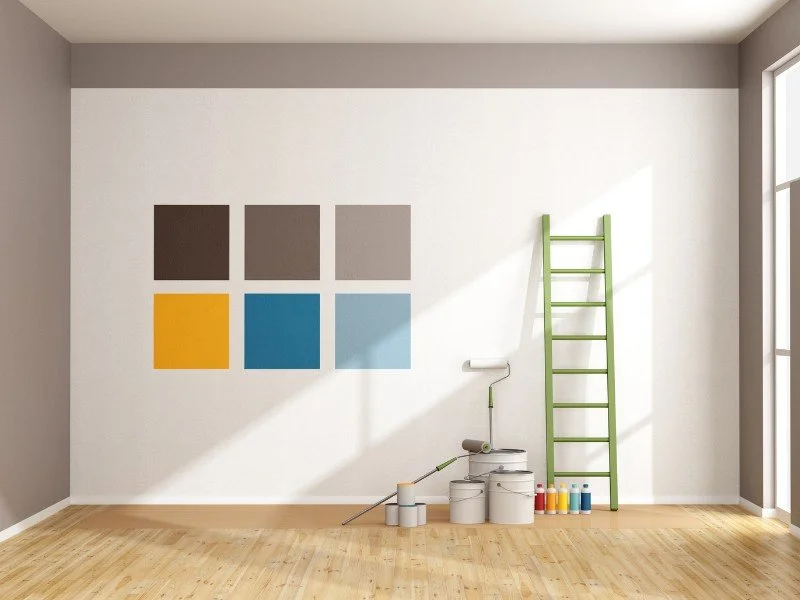
A professional color palette usually includes three to five colors. These colors should show up in various shades and tones across your walls, trim, and cabinetry. You should also carry them into your textiles, such as rugs and curtains, and your smaller accessories. This repetition of color tells the eye that everything belongs together. It creates a visual rhythm that makes the entire home feel like it was designed by a single hand.
The colors you choose will have a massive impact on the overall feeling of your home. Cool tones like blues and grays can make a space feel calm and expansive. Warm tones like terracottas and creamy whites make a room feel cozy and inviting. Whatever you choose, make sure the palette is used consistently. This does not mean every room has to be the same color, but they should all feel like they belong to the same family.
Naming Your Personal Style
A great action step for organizing your thoughts is to give your style a specific name. This name should include your base style, your supporting style, and the overall feeling you want to achieve. For example, you might call your style Rustic Modern Comfort or Traditional Industrial Elegance. Having a name for your aesthetic makes it much easier to decide if a new purchase is right for you. It acts as a filter for every design choice you make.
Once you have a name, break it down further by listing the characteristics that will show up in your space. Think about the textures, colors, and materials that bring that feeling to life. If you want a space to feel comfortable, you might list soft linens, warm wood tones, and plush rugs. If you want it to feel elegant, you might focus on polished metals, velvet fabrics, and symmetrical layouts. Writing these details down gives you a roadmap to follow.
This list becomes especially helpful when you are feeling overwhelmed by all the options available in stores. If you are standing in a shop looking at a beautiful lamp, you can check it against your list. Does it fit your base style? Does it contribute to the feeling you are trying to create? If the answer is no, you can walk away with confidence knowing that it would only disrupt the cohesion of your home.
Action Steps For Choosing Your Colors
When you are ready to pick your colors, follow a simple formula to ensure variety and balance. Start by picking a neutral and a white as your base. Then, choose a specific color scheme that appeals to you. Within that scheme, you should pick one saturated color that you absolutely love. This will be your primary statement color. Finally, pick another supporting color and a small accent color to round out the palette.
Using a saturated color that you love is important because it brings energy and joy to your home. This could be a deep navy, a forest green, or even a bold ochre. You can use this color on an accent wall, in your pillows, or in a piece of artwork. The neutral and white elements will balance out this bold choice, preventing the room from feeling overwhelmed. The supporting colors help to bridge the gap between your boldest and lightest tones.
Be open to changing the items you already own to fit this new palette. You do not always have to buy new furniture to create a cohesive look. Often, you can change the color of a wooden table with a bit of paint or a new stain. You can also recover a chair in a new fabric that matches your chosen colors. Adding small details like new hardware or different trim can also make an older piece feel like it was made for your current style.
Giving New Life To Existing Furniture
Adapting what you already have is a practical way to build a cohesive home without a massive budget. Look at your current furniture with a fresh eye. Sometimes a piece feels out of place simply because its color or texture clashes with your new plan. If a dresser is the right shape but the wrong shade of wood, consider painting it in one of your palette colors. This immediately brings it into the fold and makes it part of the larger design.
You can also use accessories to tie older pieces into a new room design. If you have a modern chair in a traditional room, adding a traditional patterned pillow can help it blend in. Texture is another great tool for this. Adding a woven basket or a soft throw blanket can change the entire vibe of a piece of furniture. It is all about finding those small ways to create connections between the old and the new.
Creating a cohesive home is a journey that takes time and patience. As you implement these steps, you will start to see your space transform into a place that feels balanced and uniquely yours. Focus on your foundation, stick to your color palette, and do not be afraid to edit as you go. With a little bit of intention, you can create a home that looks pulled together and functions perfectly for your lifestyle.