

How To Love Your Home By Building Personal Connection

How to love your home starts with a simple shift in perspective. Instead of focusing on what is missing or wishing for a different floor plan, you can begin dreaming about how to transform your current space into a joyful environment. Taking ownership of where you live means pouring your own personality into the style and organization of every room. When your house reflects who you truly are, it becomes a place that supports your daily life and makes you smile.
Creating a home you enjoy is a process of small, intentional choices. You do not need a perfect house to feel a sense of pride in your surroundings. Tools like the Declutter Deck from The Uncluttered Life offer practical ways to manage the mess so your personal style can shine through. By focusing on the details that bring you comfort, you can build a sanctuary that feels tailored to your needs.
Finding Your Personal Style In Your Own Closet
One of the best places to understand your aesthetic is actually in your closet. The clothes you choose to wear every day say a lot about the textures and colors that make you feel confident. Notice if you are naturally drawn to simple neutrals or vibrant patterns. You might find that you prefer soft, breathable fabrics over structured, formal materials. These preferences are the building blocks for your interior design choices.
If your wardrobe is full of casual, comfortable items, your living spaces should likely mirror that relaxed feeling. If you lean toward a more refined and polished look in your dress, you might enjoy sleek lines and sophisticated finishes in your home. Looking at your clothing helps you decide if you prefer bold statements or a more subtle environment. This self-awareness makes it much easier to choose furniture and decor that you will continue to enjoy for years.
The connection between our personal identity and our living space is a well-documented part of human happiness. Research shows that having a sense of place and belonging contributes significantly to our overall mental well-being. When your home feels like an extension of yourself, you are more likely to feel relaxed and recharged. This is why personalizing your space is more than just a decorating task. It is an act of self-care.
Balancing Colors With The 60/30/10 Guideline
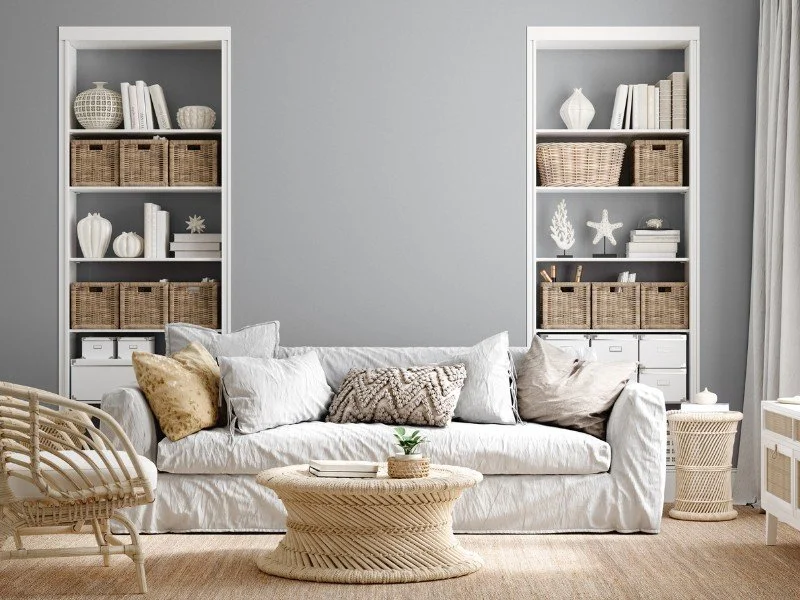
If you find it difficult to make a room feel cohesive, a simple color guideline can help tie everything together. The 60/30/10 rule is a classic design principle that ensures a balanced look. Under this method, 60 percent of your room should be a primary color. This is usually the dominant color found on the walls or large rugs. It provides the backdrop for everything else in the space.
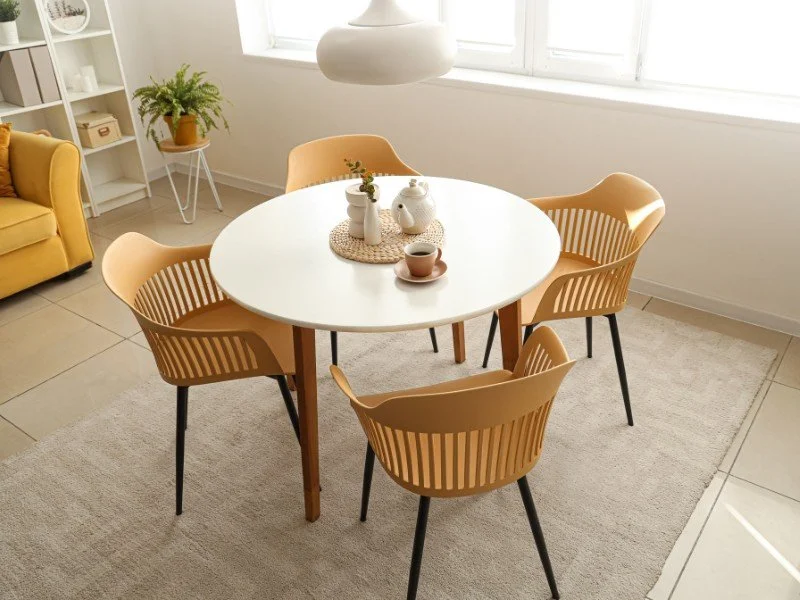
The secondary color should make up about 30 percent of the room. You can incorporate this through upholstery, window treatments, or accent furniture. This color should support the main shade while adding enough contrast to keep the room interesting. The final 10 percent is reserved for your accent color. This is where you can be a bit more adventurous with pillows, artwork, or small decorative objects that provide a pop of personality.
While it is perfectly fine to have more than three colors in a space, starting with this foundation makes the design process much less overwhelming. It prevents the room from feeling disjointed or chaotic. By sticking to these proportions, you ensure that no single color dominates in a way that feels unbalanced. This structure allows you to experiment with different shades while maintaining a professional and polished look.
How To Love Your Home By Working With Hard Finishes
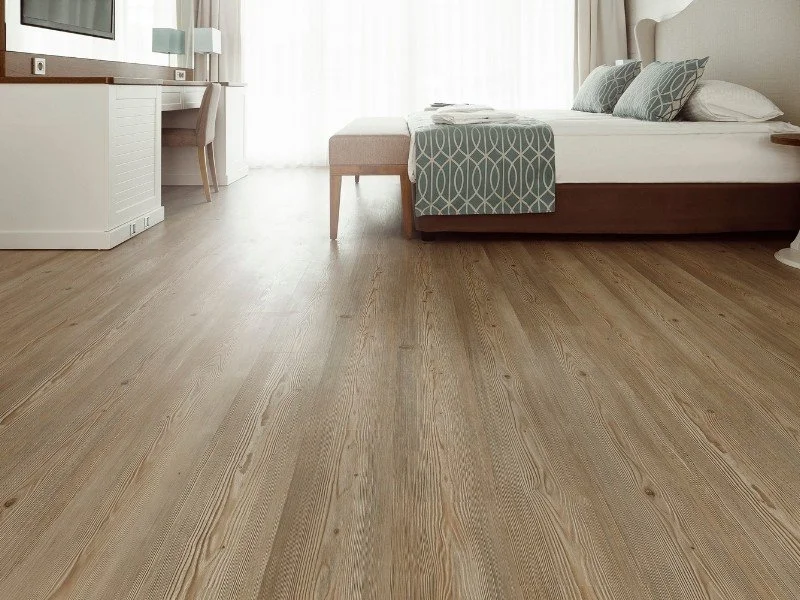
Hard finishes are the permanent or semi-permanent materials that define the structure of your home. These include items like kitchen cabinets, fireplaces, wall-to-wall carpeting, and hardwood flooring. While these elements can be changed, doing so is often a large and expensive undertaking. Learning how to work with the finishes you already have is a key step in falling back in love with your house.
Instead of fighting against a feature you dislike, look for ways to help it flow into your new design. You can often pull colors and textures from your existing flooring or cabinetry to use in your textiles and accessories. If your kitchen has dark wood cabinets, you might choose a lighter backsplash or bright linens to balance the weight of the wood. This creates a sense of intentionality that makes the room feel cohesive rather than mismatched.
If a hard finish truly does not fit your vision, consider small ways to transform it without a full renovation. Painting a fireplace or updating the hardware on your cabinets can make a massive difference in how the room feels. Sometimes, a bold change to a permanent fixture can make it a standout feature that you actually enjoy. The goal is to make the structural elements of the home feel like they were chosen specifically for your current style.
Identifying The Features You Already Love
A great way to start your transformation is to find a few specific things you already love about your home. Every house has its own unique character, whether it is a quirky layout, interesting architectural details, or a large front porch. Maybe you have a yard with plenty of space for a garden or a sunny window that is perfect for a reading nook. Identifying these positives helps you build momentum as you work on the rest of the house.
When you focus on the good bones of your home, you stop looking at it as a project that needs to be fixed. Instead, you see it as a foundation for your creativity. These existing features can guide your design choices and help you decide which areas to highlight. If you love your high ceilings, you might use vertical shelving or tall plants to draw the eye upward. If you enjoy your outdoor space, you can bring natural elements like wood and greenery into your interior decor.
Creating a list of these favorite attributes reminds you of why you chose the house in the first place. It allows you to take ownership of the space and feel a sense of gratitude for what you have. This positive mindset is essential for making design decisions that are based on joy rather than frustration. When you work from a place of appreciation, the results always feel more authentic and lived-in.
Building Your Room Around An Inspiration Piece
If you are feeling stuck on where to begin, look for one single item that you absolutely love. This is your inspiration piece. It could be a textured rug, a colorful piece of art, or a vintage lamp with a unique shape. This item should serve as the foundation for the entire room. You can pull colors from it for your 60/30/10 palette and use its style to guide your furniture choices.
Using an inspiration piece gives you a clear direction and prevents you from making random purchases that do not fit together. If you cannot find the perfect item in a store, do not be afraid to create your own. You might find a piece of fabric with a pattern you love and turn it into a set of pillows. Or you could refinish a piece of furniture in a saturated color that makes you happy. Having this focal point makes the rest of the design fall into place naturally.
As you build around this one item, the room will start to take on a personality that feels cohesive and intentional. You will find that it is much easier to say no to items that do not match the vibe of your inspiration piece. This helps you save money and prevents your home from becoming cluttered with things that do not truly serve your vision.
Making Small Adjustments For A Big Impact
Loving your home does not always require a total overhaul. Often, it is the small adjustments that make the biggest difference in how you feel in a space. Swapping out old lighting for something warmer or adding a few indoor plants can instantly lift the mood of a room. These changes are affordable and easy to implement, yet they contribute to a home that feels fresh and cared for.
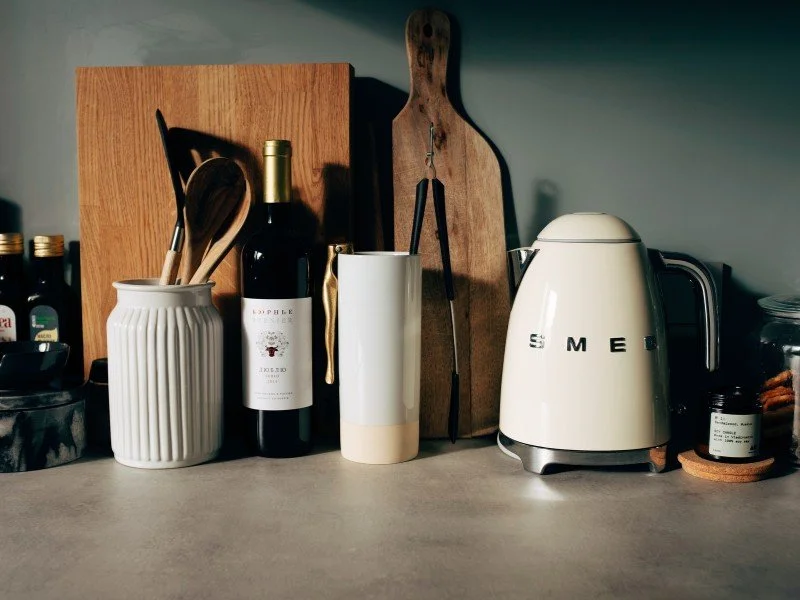
Consider how you use each room and make practical changes that support your daily activities. If you love to drink coffee in the morning, create a dedicated space for your mugs and beans that feels special. If you enjoy hosting friends, make sure your seating is arranged in a way that encourages conversation. These functional details make your home work for you, which naturally increases your affection for the space.
When you invest time and energy into these details, you are telling yourself that your comfort matters. Your home is the backdrop for your life, and it should be a place that makes you feel happy and secure. By following these steps and trusting your own style, you can create an environment that you truly love coming home to every single day.