

20/20 Rule for Decluttering: What It Is and How to Use It
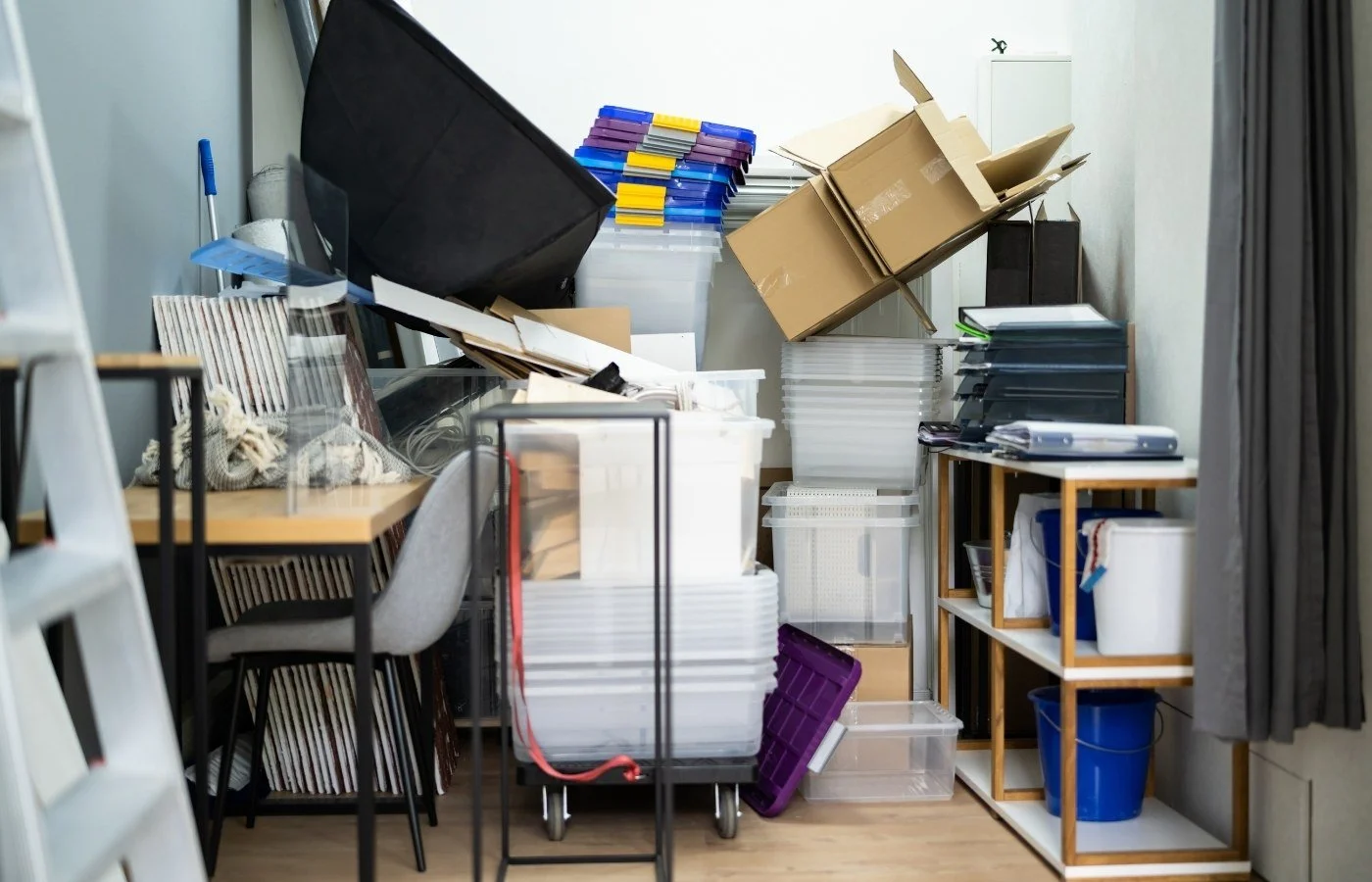
The 20/20 rule for decluttering states that when struggling to decide whether to let go of an item, you should consider letting it go if you can replace it for less than $20.00 and can replace it in less than 20 minutes.
Different people take different approaches to decluttering. In this situation, employing the 20/20 rule for decluttering can be one of the most effective decluttering tips available. It helps you make decisions quickly and saves you time and unnecessary stress. It also helps you build the confidence you will need to tackle bigger tasks. Think of it as practice.
Two of the main voices in the modern decluttering movement are Joshua Field Millburn and Ryan Nicodemus, also known as The Minimalists. I have watched their Netflix show, and while some may think it is extreme, they discuss important concepts. The two have been featured in TIME, GQ, ABC, CBS, NBC, BBC, NPR and have spoken at Harvard, Apple, and Google.
After a life dedicated to acquiring more, in 2011 they left their corporate careers and began living a simpler, more meaningful lifestyle based on the principles of minimalism. Simply stated, they chose to live with less stuff. The 20/20 rule for decluttering fits naturally within that mindset.
How to Get Rid of “Stuff” and Analysis Paralysis
As we have discussed in past blogs, analysis paralysis is real and can hold us back. It is the fear that one day we will need something we have given away. The constant what ifs keep us frozen. With this mental focus, it becomes difficult to let go of things.
It is unlikely that the items we are stressing over will ever be needed, yet they take up valuable space. The question becomes how do we distinguish between those just in case items that are worth keeping and those that simply take up room? The 20/20 rule for decluttering is designed to help you work through smaller, everyday items you have held onto but most likely will never need.
Ask Yourself the 20/20 Rule Question
One practical approach is to go through each item you are struggling with and ask two questions. Can I replace this item for $20.00 or less? Can I replace this item in 20 minutes or less? If the answer is yes to both, let it go.
You can move forward knowing you can easily replace it if you truly need it in the future. If you answer yes to one question but not the other, give extra thought to whether you need to keep it. Most of the time, the honest answer is still no.
The theory behind the 20/20 rule for decluttering is that you are unlikely to replace most of the items you let go. Instead, you are left with a home that is easier to clean, easier to manage, and easier to enjoy. This approach works for the majority of people and for the majority of everyday items.
Once you start working through your home, you may be surprised by how many objects you can do without. For example, how many coffee cups do you use? We all have our favorites. Mine is a big, heavy, oversized mug that I fill to the brim. The rest sit untouched.
How often do you wear every piece of clothing in your closet? The list of items we rarely use is longer than we think. The 20/20 rule for decluttering gives you permission to release what no longer serves you.
Pros and Cons of the 20/20 Rule for Decluttering
Making decisions about what to keep and what to discard can be difficult. It may also bring up emotions you did not expect. One idea to help manage those emotions is to set a timer for decision-making. Time limits help you stay practical and prevent you from spiraling into overthinking.
Examples of small items that create unnecessary mental fatigue include nail polish or hair clips. If you miss something you use once a year, you can repurchase it. A bottle of nail polish can often be purchased for less than $5.00. If it sits untouched for a year, it may be dried out anyway.
Smaller, everyday items often make up the bulk of clutter. The 20/20 rule for decluttering is especially effective in these categories because the replacement cost and effort are minimal.
Another benefit is financial awareness. To maintain a decluttered home, it is important to apply the thinking behind the 20/20 rule not only when sorting existing belongings, but also before bringing something new into your home. Before buying, separate what you truly need from a just in case purchase. Consider where the item will live before it enters your space.
One way to avoid overcomplicating your life and dealing with mental fatigue is to adopt the one thing in, one thing out guideline. Think like a minimalist. It pairs well with the 20/20 rule for decluttering and helps maintain balance over time.
Where to Start with the 20/20 Rule for Decluttering
There is no single correct place to begin. Some areas are easier and more motivating. A bathroom is often a good starting point because many items there are small and inexpensive. Toiletries, medicines, and makeup tend to accumulate and often expire without notice.
Working through these items builds momentum. Once you see how quickly decisions can be made using the 20/20 rule for decluttering, the inertia begins to fade. The process becomes less emotional and more practical.
Sometimes emotions hold us back. Other times it is the sheer volume of items that feels overwhelming. Working through things one by one, using a simple framework, keeps the process moving.