

Bring the Outdoors Into Your Home: Simple Ways to Add Nature Inside
Including Plants Into Our Homes Can Increase Happiness
Can biophilic design help to reduce clutter and help you bring the outdoors into your home? Research demonstrates the importance of spending time outside in nature. Just thirty minutes a day can improve sleep quality, boost the immune system, and reduce anxiety and stress. Many believe this connection to nature is essential to overall well-being. We may, however, forget to bring this natural element inside our homes.
It is possible to bring the outdoors into your home through biophilic design. Biophilia is the human desire or tendency to commune with nature. Biophilic design brings this desire indoors by blurring the boundaries between inside and outside environments so we can experience some of nature’s benefits without leaving the house.
For example, we often see homes with sliding glass doors that open wide and connect indoor living spaces to patios or yards. Screened porches allow fresh air to flow into dining areas. Living in nature reduces stress and improves physical and mental health. It can also increase productivity. For these reasons, more people are choosing intentional ways to bring the outdoors into your home with simple improvements.
Buy Houseplants
One of the easiest ways to bring the outdoors into your home is to add plants. Buy a few houseplants or, if possible, transplant a few from outside into indoor containers. Plants are a natural fit in most décor styles and can complement an organized, clutter-free space.
If you are new to caring for plants, look for low-maintenance varieties. Options such as snake plants, ZZ plants, rubber plants, and jade plants are good selections.
To keep your space feeling open, consider hanging plants from the ceiling, placing them on simple plant stands, or installing wall-mounted planters. If that feels overwhelming, start small with an indoor herb garden. Herbs such as basil, mint, parsley, and thyme grow well inside and add both greenery and function.
If maintaining several live plants feels like too much, you can mix natural and artificial plants. The goal is to bring the outdoors into your home in a way that supports your lifestyle, not adds stress.
Open the Windows and Maximize Natural Light
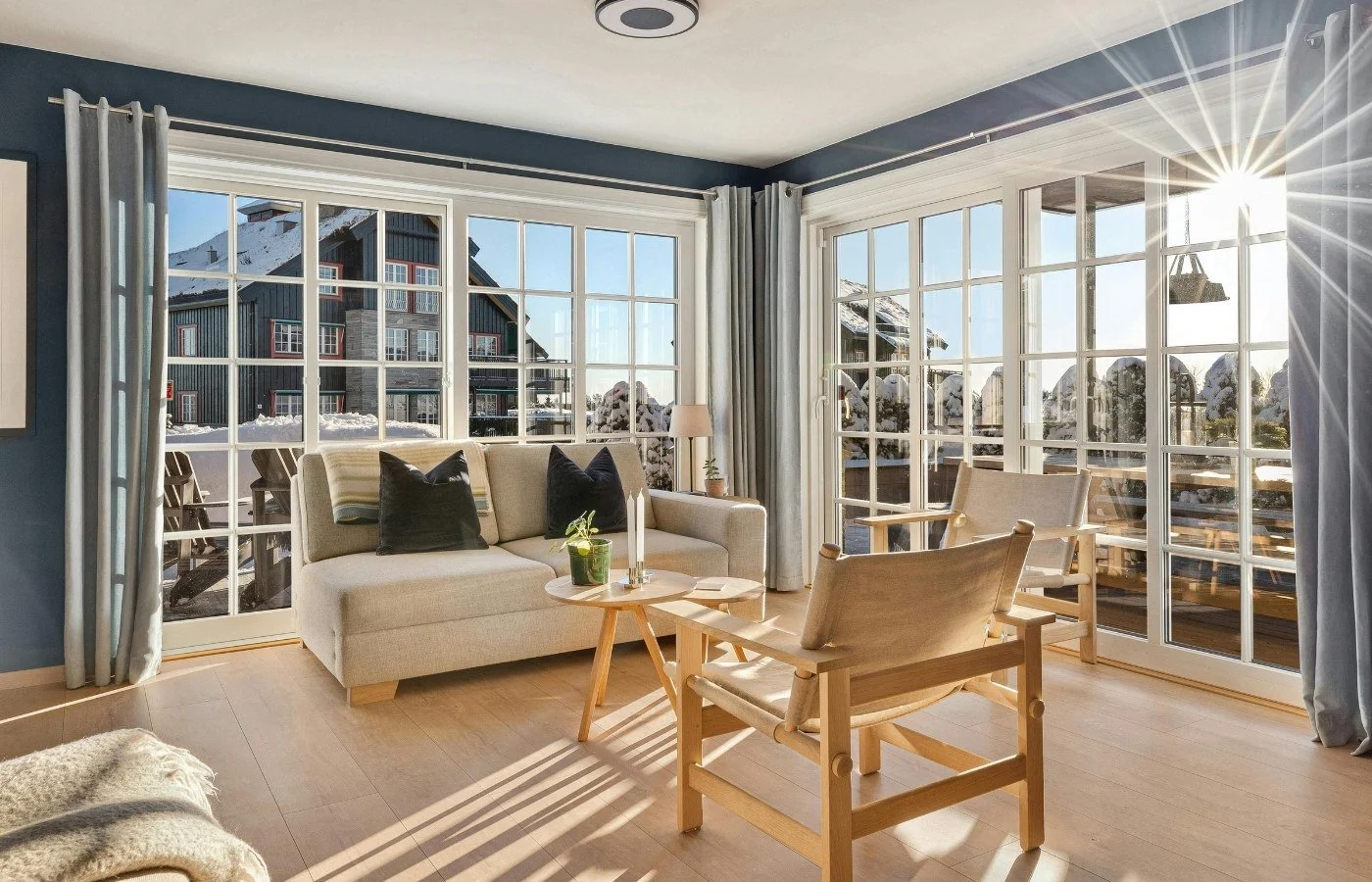
Another simple way to bring the outdoors into your home is to open the windows. A primary focus of biophilic design is minimizing the division between indoor and outdoor spaces. Fresh air and natural light can immediately shift the feel of a room.
Open blinds during the day and avoid heavy curtains that block sunlight. Some automatic blinds can be set to open at sunrise and close later in the day, helping your body stay in sync with natural rhythms.
Clear obstructions from windows by trimming trees or plants that block light and views. Keep windows clean so sunlight can filter in freely. Arrange furniture to face windows when possible, allowing you to enjoy outdoor views throughout the day. Maintaining a clutter-free environment around windows enhances this effect and keeps the room feeling open.
Go Green with Color and Materials
Color plays a powerful role when you want to bring the outdoors into your home. Painting walls in soft green tones can create a calming atmosphere. You can also incorporate green through pillows, blankets, and rugs.
Natural materials add another layer. Consider wood, stone, linen, or woven baskets to introduce texture inspired by the outdoors. These materials create warmth and visual interest without overwhelming a space.
Going green can also mean choosing eco-friendly products. While this does not physically bring nature inside, it reflects a conscious effort to care for the natural world. Sustainable alternatives are available for many everyday items. Thoughtful purchasing decisions support both your home and the environment.


Use Natural Scents Throughout Your Home
Nature is closely tied to scent. You can bring the outdoors into your home through natural aromas that support relaxation and focus.
Lavender is widely known for improving sleep quality and supporting a calm mood. Peppermint can increase alertness. Pine and jasmine are often associated with reduced stress. These scents can be introduced through essential oils, candles, or natural cleaning products.
Always keep oil diffusers and scented products safely away from children and pets. Used thoughtfully, scent can enhance the feeling of nature indoors without adding visual clutter.
Do Artificial Plants Have the Same Biophilic Effect as Natural Plants?
Some people are allergic to certain plants or find it difficult to keep them alive. In those cases, artificial plants can still help bring the outdoors into your home. They offer a low-maintenance option while adding greenery and softness to a room.
Artificial plants require little care beyond occasional dusting. While they do not provide air purification benefits, they can still contribute visually to a calming environment. The look and texture of greenery can stimulate the senses in a positive way, even if the plant is not real.
As our spaces become decluttered, there can be a temptation to fill empty areas with more belongings. Plants, both natural and artificial, can add visual interest without creating unnecessary clutter. They soften a room, connect you to the idea of nature, and support a peaceful atmosphere.
If you choose live plants, keep them healthy. If you choose artificial plants, keep them clean. Either way, you can bring the outdoors into your home in a way that complements your organization efforts and supports your wellbeing.