

The Cost of Delaying Home Maintenance

The Importance of Home Repairs and Maintenance
At some point, almost every homeowner notices a small issue and decides it can wait. A faucet drips once in a while. A window feels a little drafty on cold mornings. Paint chips along the trim but does not seem urgent. The thought is usually the same. It is not a big deal. I will take care of it later.
Later has a habit of never arriving. What begins as a minor inconvenience often turns into something far more expensive and stressful. The cost of delaying home maintenance rarely shows up all at once. It builds quietly, problem by problem, until the repair is no longer optional. By the time attention is finally forced, the damage has spread.
Understanding how these issues grow helps you protect both your home and your peace of mind. Small repairs done early are not just maintenance tasks. They are an investment in stability.
Look to The Uncluttered Life’s Declutter Deck® for tips and tricks about home organization.
How Small Problems Create Bigger Damage
Most home problems do not appear overnight. They develop slowly through wear, weather, and time. A crack in the foundation might look harmless at first. It is easy to dismiss when nothing else seems wrong. But cracks often signal a chain of issues that started somewhere else.
Water pooling near the foundation due to a clogged gutter can slowly erode soil. That erosion causes shifting. The shifting creates cracks. Once the crack exists, moisture finds its way in. What could have been resolved by cleaning gutters or improving drainage becomes a structural concern that costs far more to fix.
This is where the cost of delaying home maintenance becomes clear. Ignoring the early warning signs allows damage to spread. Addressing issues as soon as they appear stops that chain reaction before it gains momentum.
Deferred Maintenance and Insurance Risk
Homeowners insurance is designed to protect you from unexpected events. It does not exist to cover damage caused by known neglect. Many policies include language that expects reasonable upkeep. If an issue is visible and unaddressed, insurers may deny claims that stem from it.
A roof leak that was obvious but ignored can lead to denied coverage when water damage spreads. A slow plumbing issue left unfixed can result in rejected claims if it causes flooding later. Even when claims are approved, a record of deferred maintenance can increase premiums. Insurers view poorly maintained homes as higher risk.
The cost of delaying home maintenance is not only the repair itself. It can also affect your coverage and future insurance costs.



Delayed Repairs Affect Home Value
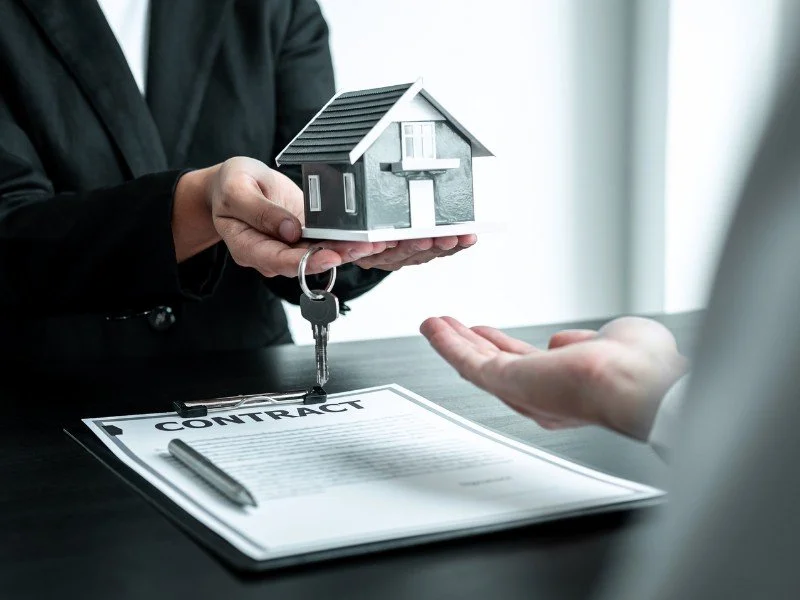
Whether you plan to sell soon or far down the road, maintenance plays a significant role in how buyers perceive your home. Small issues raise big questions. A dripping faucet makes buyers wonder what else has been overlooked. Peeling paint suggests neglect, even if the structure is sound.
Buyers notice details. They notice doors that do not close properly. They notice worn caulking, cracked tiles, and water stains. Each small flaw chips away at confidence. That uncertainty often translates into lower offers or tougher negotiations.
On the other hand, a well maintained home sends a clear message. It tells buyers the property has been cared for. Regular upkeep supports a higher perceived value and can make the selling process smoother. Preventive repairs often return more than they cost.
Energy Loss and System Strain
Drafty windows and doors may seem like minor annoyances, but they come with hidden costs. When air escapes, your heating and cooling systems work harder to maintain a consistent temperature. Over time, this strain shortens the lifespan of HVAC equipment and increases utility bills.
The cost of delaying home maintenance shows up gradually here. Higher monthly energy costs accumulate. Systems wear out faster. Repairs that could have been avoided turn into full replacements sooner than expected.
Sealing gaps, repairing weather stripping, and addressing insulation issues early keeps systems running efficiently. These small efforts protect both your budget and your home’s core infrastructure.
Emergency Repairs Are Always More Expensive
Preventive maintenance exists for a reason. Small repairs stop problems before they become emergencies. When maintenance is delayed, issues often surface at the worst possible moment.
A worn gasket replaced early costs very little. A burst pipe caused by neglect can lead to water damage, mold remediation, and major disruption. Emergency repairs come with premium labor rates, rushed decisions, and added stress.
This pattern repeats across every part of a home. Roofing, plumbing, appliances, HVAC systems, and landscaping all follow the same rule. Addressing wear early is far less expensive than dealing with failure later. The cost of delaying home maintenance is almost always higher than expected.
Routine Maintenance Builds Long Term Stability
Homeownership works best when maintenance becomes routine rather than reactive. Small, consistent efforts reduce surprises and keep systems functioning as intended. Cleaning gutters, checking seals, servicing appliances, and inspecting exterior surfaces help catch issues early.
Many homeowners find it helpful to create a simple maintenance schedule. Seasonal checklists keep tasks manageable and prevent important items from being overlooked. Routine upkeep also spreads costs more evenly across the year, making budgeting easier.
Maintenance is not about perfection. It is about awareness. Paying attention allows you to act before small issues grow.
Budgeting for Maintenance Without Stress
A common guideline suggests setting aside one to four percent of a home’s value each year for upkeep. That number can feel intimidating at first, but it reflects the reality of long term ownership. Homes require care to retain their value and function properly.
Budgeting for maintenance reduces the shock of unexpected repairs. Even small monthly contributions add up over time and create a cushion for inevitable expenses. This approach transforms maintenance from a source of anxiety into a manageable part of household planning.
The cost of delaying home maintenance is far more disruptive when there is no plan in place. Preparation makes repairs feel manageable instead of overwhelming.
A Practical Approach to Caring for Your Home
Home maintenance does not require constant effort. It requires attention and follow through. Addressing issues when they first appear protects your investment and reduces long term costs. It also brings peace of mind, knowing that your home is supporting you rather than demanding emergency fixes.
A little effort today prevents far bigger problems tomorrow. By understanding the true cost of delaying home maintenance, you can make choices that keep your home safe, efficient, and comfortable for years to come.