

Stop Buying More Storage: Marie Kondo Says the Containers Are Not the Problem
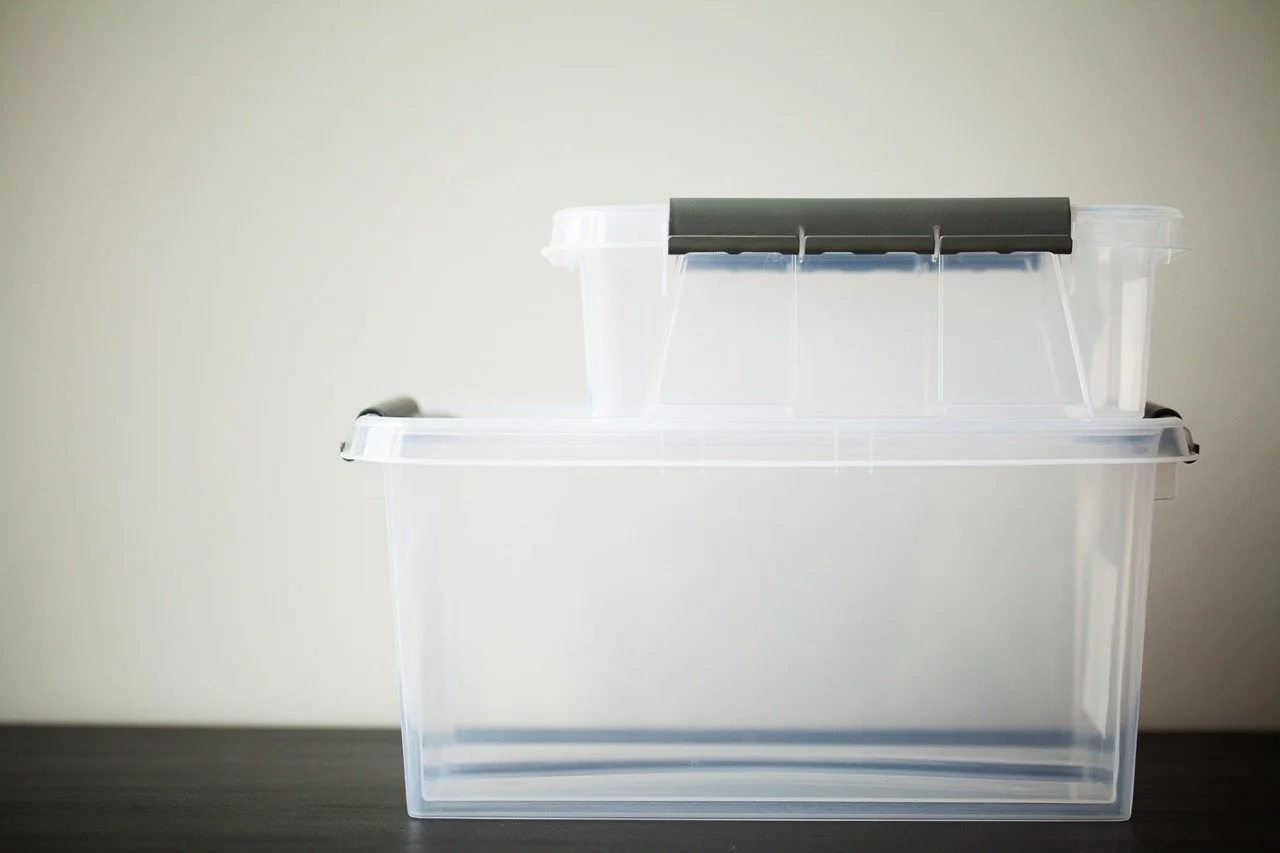
The storage aisle makes a convincing promise. Buy the right bins, baskets, labels, and drawer dividers, and the clutter will disappear.
Sometimes a good container solves a real problem. Too often, it gives a collection of undecided belongings a prettier place to wait.
Marie Kondo recently returned to a point at the center of her work: focus on the things you are storing before you focus on storage. The container is the final step. Choosing what belongs in your home comes first.
Storage can hide the size of the problem
A row of matching bins looks calm from the outside. Inside, those bins may hold expired products, duplicate cords, clothes that do not fit, and objects nobody remembers owning.
Closed storage can reduce visual noise, but it can also delay decisions. If every shelf is full and every new purchase requires rearranging a cabinet, the problem is probably not a lack of containers.
Kondo told Ideal Home that people often focus too much on storage and not enough on the items being stored. That distinction changes the order of the work.
Empty the space before choosing a solution
Take everything out of one small area. A bathroom drawer, one pantry shelf, or the cabinet under the sink is enough for a first session.
Group similar items together. When all the hand lotion, food storage lids, or cleaning supplies are in one place, duplicates become obvious. Check dates, condition, and whether each item is used.
Then decide what belongs in that space. A drawer organizer chosen before this step may have the wrong number of sections. A bin may be too deep for the items you reach for most often. The belongings should determine the storage, not the other way around.
Organize by use, not by where something happens to fit
The best location is usually close to the place where an item is used.
Coffee filters belong near the coffee maker. Dog supplies belong near the door used for walks. School papers need a home near the place where backpacks are emptied, not in an office nobody visits during the afternoon rush.
This sounds obvious, but many organizing problems come from trying to make available storage work instead of paying attention to the routine.
Watch what happens in the room for a few days. Where do things get dropped? What does someone have to cross the room to retrieve? Which cabinet contains items used once a year while daily necessities crowd the counter?
The answers show you where the system is fighting the household.


Use what you already own first
Before shopping, look for small boxes, trays, jars, or containers already in the house. Repurposed containers are useful during the testing stage because you can adjust the system without spending money.
Live with the new arrangement for a week or two. Notice whether items are easy to put away, not only easy to retrieve. A system that requires lifting three lids or moving a heavy bin will be difficult to maintain.
Once the arrangement works, you can decide whether a different container would improve it. Measure the shelf or drawer and the items before buying anything.
Leave room for the home to function
A cabinet does not need to be filled simply because space is available.
Open space makes it easier to see what you own and put items away. It also gives the household room to absorb normal changes without returning to clutter. Groceries arrive. Children change sizes. Hobbies and health needs shift.
Aim for storage that can be used without shuffling stacks or forcing a drawer closed. If a container must be packed perfectly to fit, it may hold too much.
Containers should make the next action easier
Good storage answers a specific problem.
A shallow tray keeps small items from getting lost in a deep drawer. A clear bin shows when supplies are running low. A basket near the stairs gives family members a place to collect items that need to go up.
The container should make the desired habit easier. It cannot create the habit by itself.
The KonMari Method® sorts belongings by category before organizing them. That order helps you see how much you own and choose what supports your life. Our home decluttering plan can also help you divide the work into manageable sessions.
Before your next trip to the storage aisle, choose one crowded space and edit what is inside it. You may still need a container when you finish. This time, you will know its exact job.
FAQ
Should I buy storage containers before decluttering?
No. Sort and edit first so you know what remains, where it will live, and what size or type of container will make the space easier to use.
How do I know if I have too much in a storage space?
If items are hard to see, retrieve, or put away, the space is overfilled or poorly arranged. Remove unused items before adding another container.
What makes a storage system easy to maintain?
Keep items near where they are used, make them simple to return, and leave enough open space that ordinary changes do not overwhelm the system.