

Marie Kondo’s Philosophy: From Sparking Joy to Creating Your Ideal Life with Kurashi
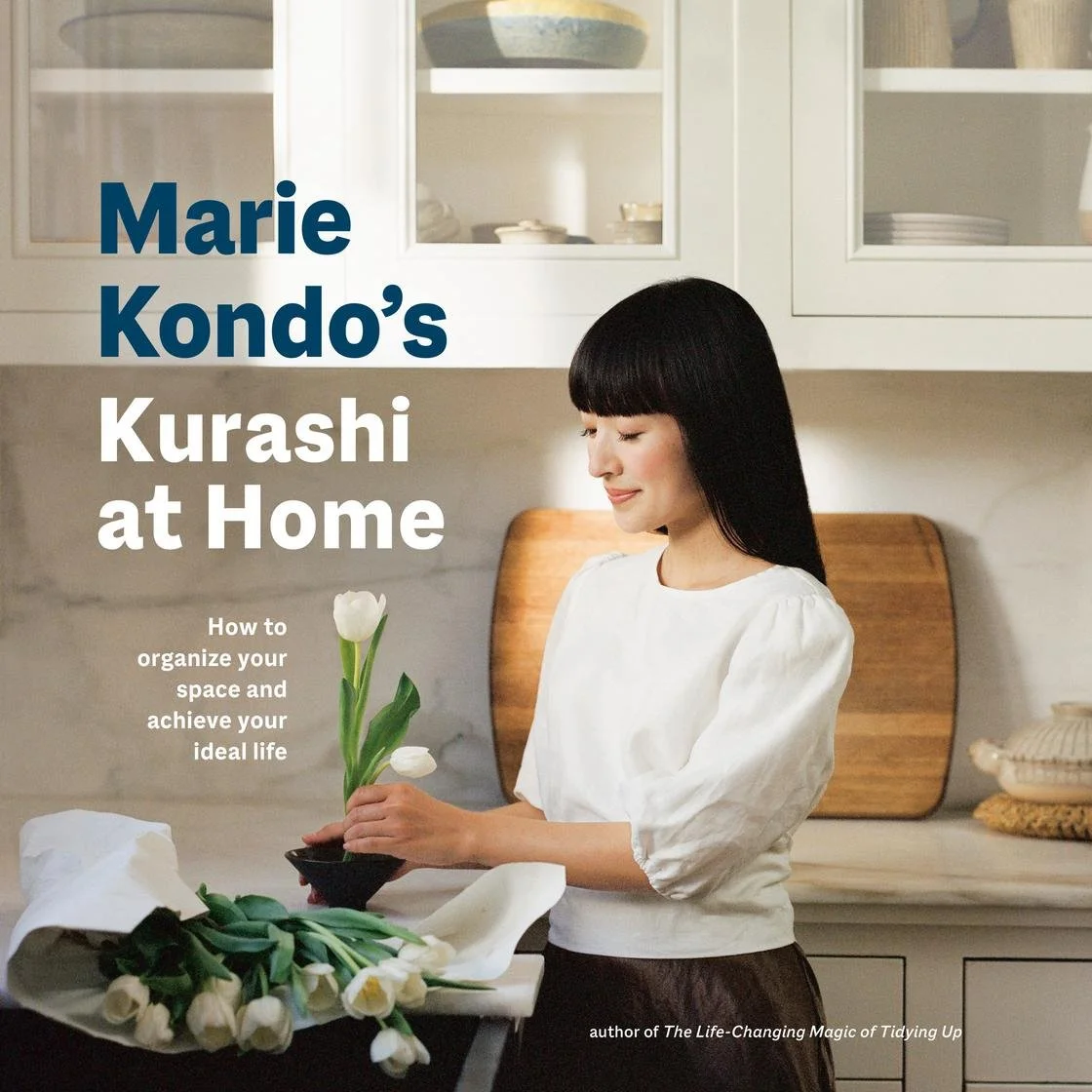
Most people know Marie Kondo for one question: Does it spark joy?
That question is still part of the KonMari Method®. But it is not the whole method, and it was never meant to be a command to fill donation bags as quickly as possible.
Kondo’s broader idea of kurashi asks you to picture your ideal way of life. Then you use that picture to make decisions about your home, your routines, and the things that receive your time and attention.
What does kurashi mean?
Kurashi is a Japanese word that means “way of life.” In Kondo’s philosophy, it describes the life you want to create, not a particular decorating style or number of possessions.
Your ideal life might include quiet coffee before the rest of the house wakes up. It might include friends gathered around the table, a clear place to work, an easy bedtime routine, or a kitchen where you can cook without moving five things first.
The official KonMari explanation of kurashi encourages people to imagine the details of an ideal day. The details matter because “I want an organized house” is too vague to guide a decision. “I want to sit at my desk and begin work without clearing yesterday’s papers” tells you what needs to change.
Sparking joy is a tool for choosing
The phrase “spark joy” is often treated as a test an object must pass. If you feel immediate delight, keep it. If you do not, discard it.
Real homes are more complicated.
Your toilet brush may not make your heart leap, but a clean bathroom supports your life. Tax records do not need to be joyful, but some must be kept. A useful item can earn its place because it makes a routine easier or helps you care for yourself and your family.
Joy can be quiet. It can feel like relief, usefulness, beauty, comfort, or confidence. The choice becomes clearer when you know what kind of life the item is meant to support.
Your ideal life should be specific
Try this exercise before decluttering:
Picture a weekday morning in your home. Where do you wake up? What do you see first? Can you find what you need? Is the kitchen counter available? Is there a comfortable place to sit?
Now picture the evening. Where does mail land? What happens to shoes and bags? Can everyone complete the routines that close the day?
Write down the points where the home helps and where it creates friction. Those observations form a useful vision for the space.
If peaceful mornings matter, the crowded entryway deserves attention. If you want to paint again, keeping an open work surface may matter more than storing supplies for three hobbies you no longer enjoy.




A home can change when life changes
Many people organize around a former version of life. A room still functions as a child’s bedroom years after that child moved out. A closet holds clothes for a job that ended. The formal living room is protected for guests while the family crowds into another room every day.
Kurashi gives you permission to ask whether the home still supports the people living in it.
This does not require a complete renovation. A bedroom can become an office. A dining room can become a library. A cabinet filled with rarely used serving pieces can hold the appliance you use every morning.
The Uncluttered Life has long believed that your internal and external environments should reflect one another. Our organizing philosophy and the idea of kurashi meet at the same practical question: Does your home fit who you are today?
Decluttering comes before organizing
Once you know what you want the space to support, decide what belongs there. Storage comes later.
Buying containers too early can make excess look orderly without fixing the problem. Sort first, choose what serves the space, and then organize what remains. Our KonMari Method® guide explains the category order that helps people build confidence before reaching sentimental belongings.
An ideal life is not a perfect life. The laundry will still need attention. Someone will leave a glass on the counter. The goal is a home that makes ordinary days easier and feels like it belongs to the people who live there.
Choose one moment in your day that feels harder than it should. Look at the space connected to it and ask what would make that moment calmer. That answer is a practical place to begin.
FAQ
What is Marie Kondo’s kurashi philosophy?
Kurashi means “way of life.” Kondo uses it to help people picture an ideal day and make choices about their homes, routines, and possessions that support that life.
Is kurashi different from the KonMari Method?
Kurashi expands the method’s focus. The KonMari process helps you choose what to keep, while kurashi keeps those choices connected to the life you want to create.
Does everything I keep have to spark joy?
No. Practical items can support your ideal life through usefulness, ease, or care. Joy is broader than excitement and can include the calm that comes from something working well.