

Kitchen Cleaning Tips for an Organized Home
Deep cleaning your home often starts in the heart of the house, where grease and daily use can quickly take over. Using the right kitchen cleaning tips helps you manage this high-traffic space by identifying the exact spots that need consistent attention. Since the kitchen is the room that collects the most grime and clutter on a daily basis, having a set routine is essential. You can look to The Uncluttered Life’s Declutter Deck® for more specific help with home organization and finding a rhythm that works for your lifestyle.
Practical Kitchen Cleaning Tips for Maintenance
Your garbage disposal should be cleaned monthly or whenever you start to notice smells. Because this appliance handles food waste, bacteria can build up quickly in the folds of the rubber flange and around the blades. Maintaining this regularly prevents that lingering scent of old food from wafting through the house.
The easiest way to handle splatters and messes in the microwave is to wipe them up the moment they happen. If you let tomato sauce or soup sit in there for three days, it becomes like concrete. Messes are much easier to remove before the food dries and hardens. Range vents also need regular attention. Most people forget about the filters above their stove until they are yellow with sticky grease. You should aim to clean those every few months to keep the air moving properly and prevent fire hazards.
Daily and Weekly Action Steps
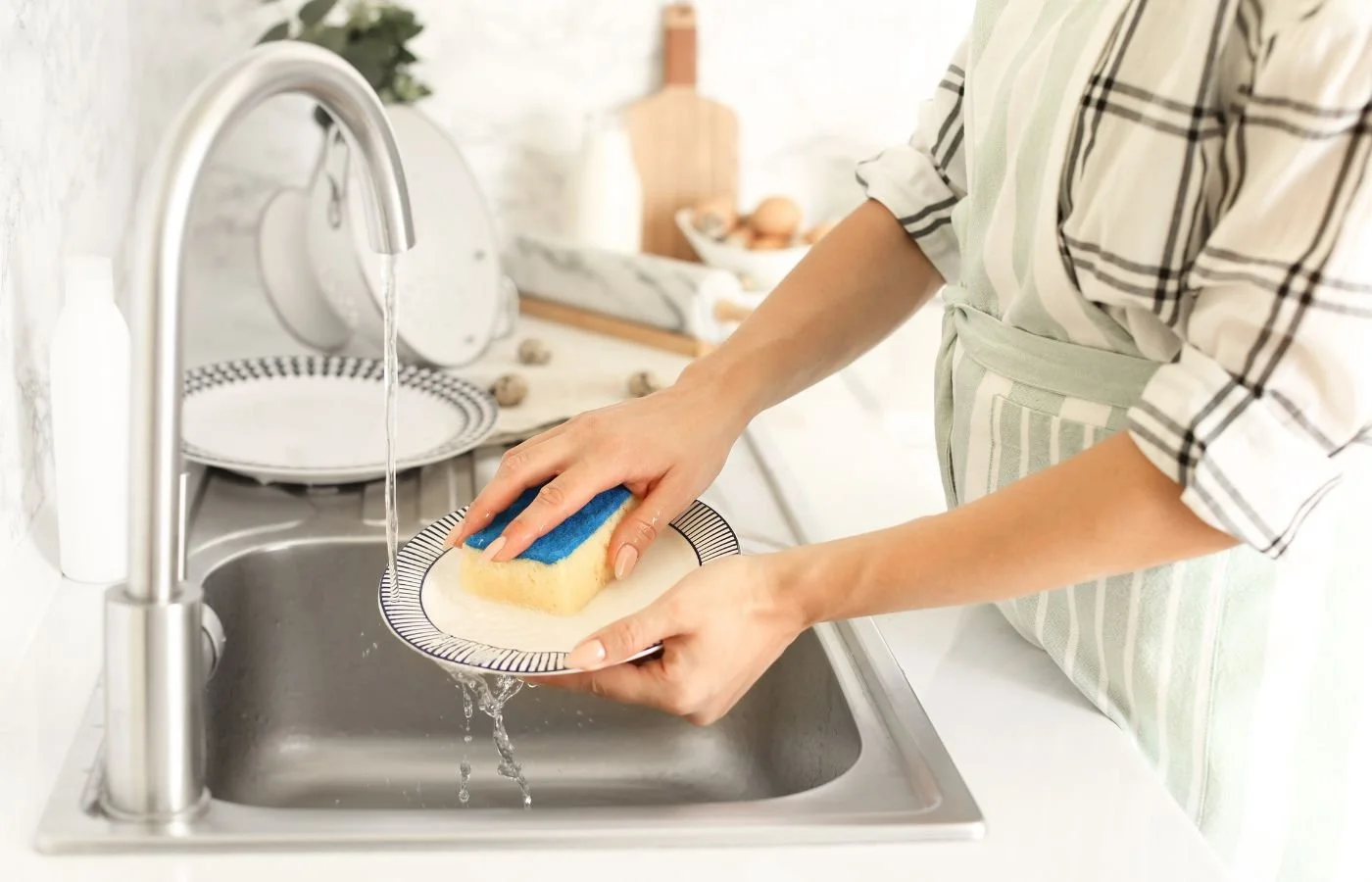
Clean your sink nightly. I have been doing this for years because it makes the whole room feel better when you walk in the next morning. You can do this by sprinkling baking soda around the basin and drizzling dish soap over the top. Use a non-abrasive sponge to work the mixture around the surface. Baking soda is a gentle abrasive that removes stains without scratching the stainless steel or porcelain. Rinse it well and polish the metal with a microfiber cloth so it sparkles. This one habit changes the entire look of the kitchen.
To clean the garbage disposal effectively, sprinkle baking soda down the drain and top it with dish soap. You can even add ice cubes to help knock debris loose from the grinding elements. Use a disposal scrub brush to scrub down the inside of the unit, specifically under the black rubber guard where the most slime accumulates. An alternative to this method is to use pre-made disposal tablets if you are in a hurry. These kitchen cleaning tips keep the plumbing side of your kitchen smelling fresh.
To clean the microwave without heavy scrubbing, place a bowl of water or vinegar inside and run it for five minutes. The steam penetrates the stuck-on food. Carefully remove the hot bowl and wipe the interior down with a rag. The steam loosens everything so it just slides off.
Keeping surfaces clean is about more than just looks; it is a vital step in reducing your family's risk of exposure to indoor pollutants and bacteria. To clean the garbage disposal effectively, sprinkle baking soda down the drain and top it with dish soap. You can even add ice cubes to help knock debris loose from the grinding elements. Use a disposal scrub brush to scrub down the inside of the unit, specifically under the black rubber guard where the most slime accumulates. An alternative to this method is to use pre-made disposal tablets if you are in a hurry. These kitchen cleaning tips keep the plumbing side of your kitchen smelling fresh.
Deep Cleaning the Details
For the range vents, place them in warm water mixed with dish soap like Dawn. Let them soak for at least twenty minutes to break down the grease. Use a soft bristle brush to get into the grooves of the vent. Rinse them and let them dry completely before putting them back in place. If you put them back wet, they will just attract more dust and pet hair.
Clean your wooden cutting boards often or whenever they start to look dry. Wood is porous and can harbor bacteria if not treated correctly. Sprinkle salt on the board to act as an abrasive and scrub the surface with half a lemon. The acidity of the lemon helps sanitize while the salt lifts stains. Never put wooden cutting boards in the dishwasher because the high heat and water saturation will cause the wood to warp and crack.
For the refrigerator, wash the shelves and drawers in the sink with soapy water. This is the best way to get rid of the sticky rings left behind by jelly jars or milk cartons. If you do not want to take everything out, you can spray them while they are still in the fridge using an all-purpose cleaner or a mixture of vinegar and water. These kitchen cleaning tips keep your food storage areas sanitary without needing a full day of work.
Organizing the Pantry and Cabinets
A clean kitchen is easier to maintain when the organization is handled properly. Start by pulling everything out of your pantry once a season. Check expiration dates on canned goods and spices. Spices lose their potency after about a year, so if your ground cumin has no scent, it is time to replace it. Wipe down the shelves while they are empty to remove spilled flour or sugar that might attract pests.
Group like items together. Put all your baking supplies in one bin and your snacks in another. This makes it easier to see what you have before you go to the grocery store. When everything has a designated home, the cleaning process goes faster because you are not just moving piles of clutter from one counter to another.
Countertops and Small Appliances
Your countertops should be cleared as much as possible. The more items you have sitting out, the more surfaces there are to collect dust and grease. Wipe down your toaster and coffee maker weekly. Crumbs at the bottom of a toaster are a common cause of kitchen smells and can even start small fires. Most toasters have a tray at the bottom that slides out for easy emptying.
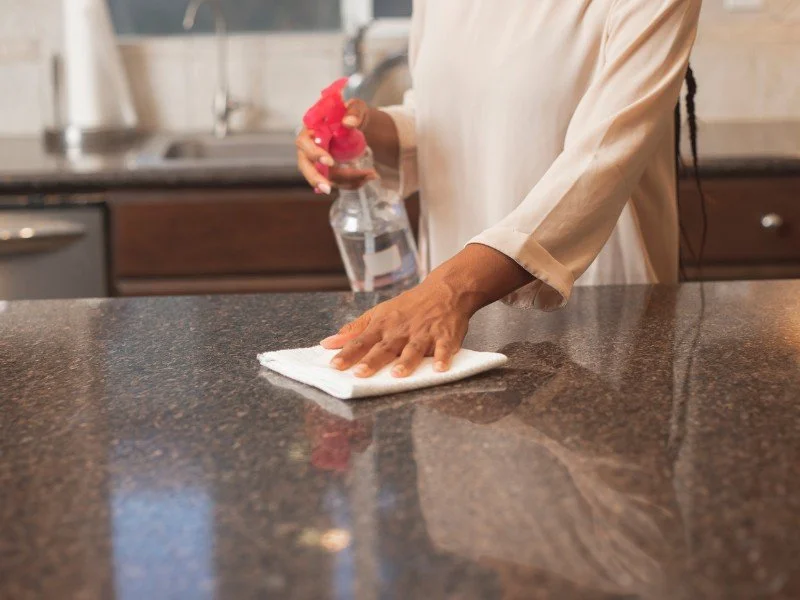
If you have stone countertops, make sure you are using a cleaner that is safe for that specific material. Vinegar is great for many things, but the acid can etch natural stone like marble or granite over time. Stick to warm soapy water or a dedicated stone cleaner to keep the finish looking new.
Floor Care and Baseboards
The kitchen floor takes a beating. Between dropped food and foot traffic, it needs frequent attention. Sweep or vacuum daily to keep grit from scratching the finish. Once a week, give it a good mop with a solution that fits your flooring type. Do not forget the baseboards and the area under the toe kick of the cabinets. Dust and hair tend to settle in these recessed spots and are often overlooked during a quick cleaning.
If you have tile, the grout can become discolored over time. A paste made of baking soda and water, scrubbed in with an old toothbrush, can bring the original color back. It takes a little elbow grease, but the result makes the whole floor look brand new.
Managing the Dishwasher
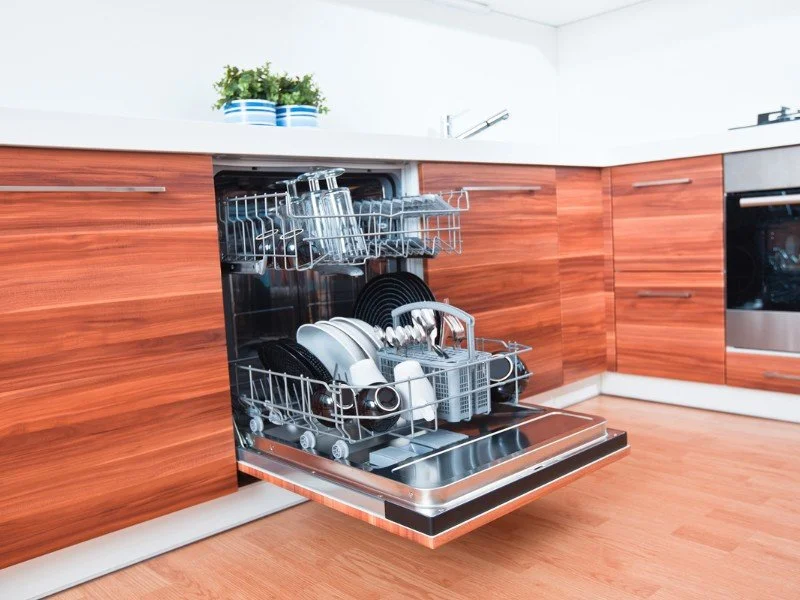
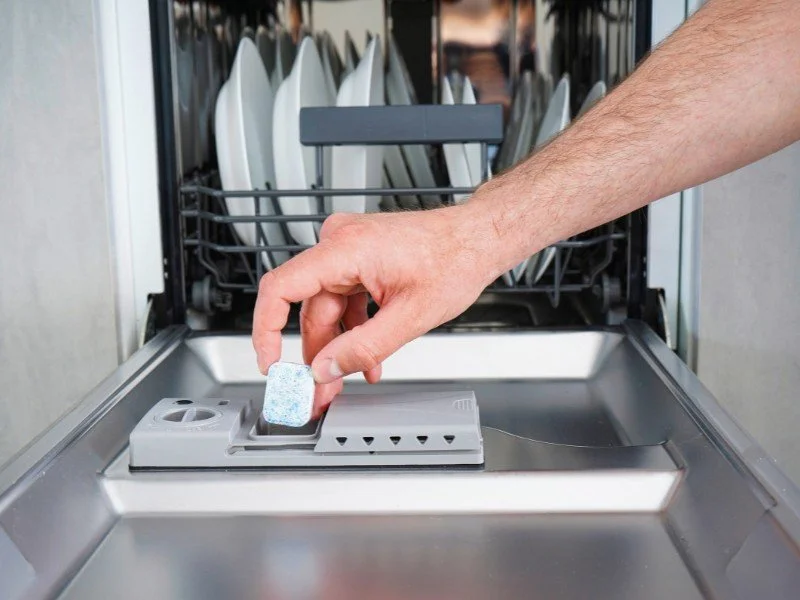
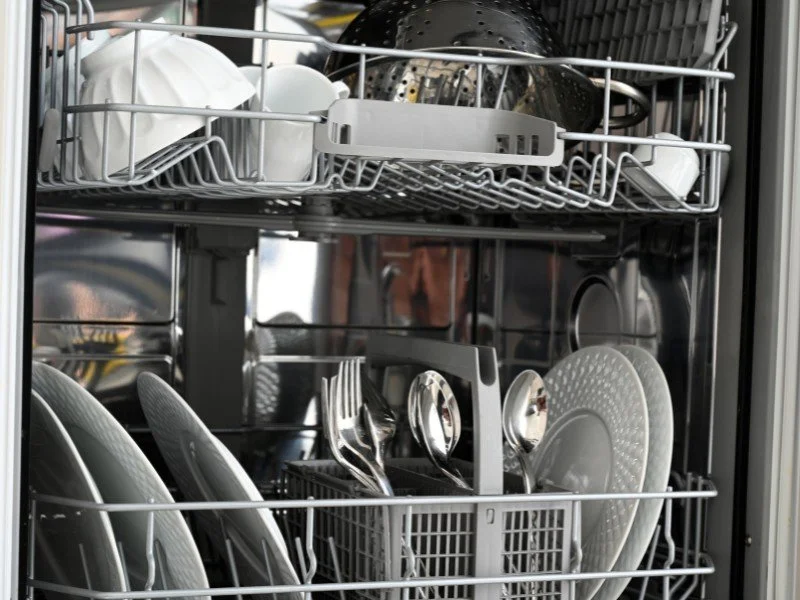
Even the machine that cleans your dishes needs to be cleaned itself. Check the filter at the bottom of the dishwasher once a week. It usually twists out and can be rinsed under the sink. Food particles get trapped there and can cause the machine to smell or leave spots on your glasses.
Once a month, run an empty cycle with a cup of white vinegar placed in a dishwasher-safe bowl on the top rack. This helps remove hard water buildup and soap scum from the interior walls and the sprayer arms. Keeping the machine clean ensures your dishes actually come out sanitized.
Cleaning the Oven and Stovetop
The stovetop is often the messiest part of the kitchen after cooking a big meal. If you have a glass cooktop, use a dedicated cream cleaner and a soft cloth to avoid scratching the surface. For gas stoves, remove the grates and soak them in the sink. Scrub the area around the burners to remove burnt-on bits.
If your oven has a self-cleaning feature, use it sparingly as it generates extreme heat that can sometimes damage the internal components. An alternative is to make a paste of baking soda and water and coat the inside of the oven. Let it sit overnight, then spray it with a little vinegar the next morning. The mixture will foam up and you can wipe away the grime with a damp cloth. It takes more time than the high heat setting, but it is much gentler on the appliance.
Maintaining Your Cleaning Tools
Your cleaning tools need to be clean to be effective. Replace your sponges every two weeks or whenever they start to smell. You can also toss microfiber cloths in the washing machine after every use. Avoid using fabric softener on microfiber because it coats the fibers and makes them less effective at picking up dust.
By following these kitchen cleaning tips, you create a space that is functional and welcoming. A clean kitchen makes it easier to prepare healthy meals and enjoy time with your family without the stress of a mess hanging over your head. When you have a plan for the sink, the appliances, and the floors, the room remains a place of inspiration rather than a source of stress.