

A Home Decluttering Plan That Breaks the Process Into Manageable Steps
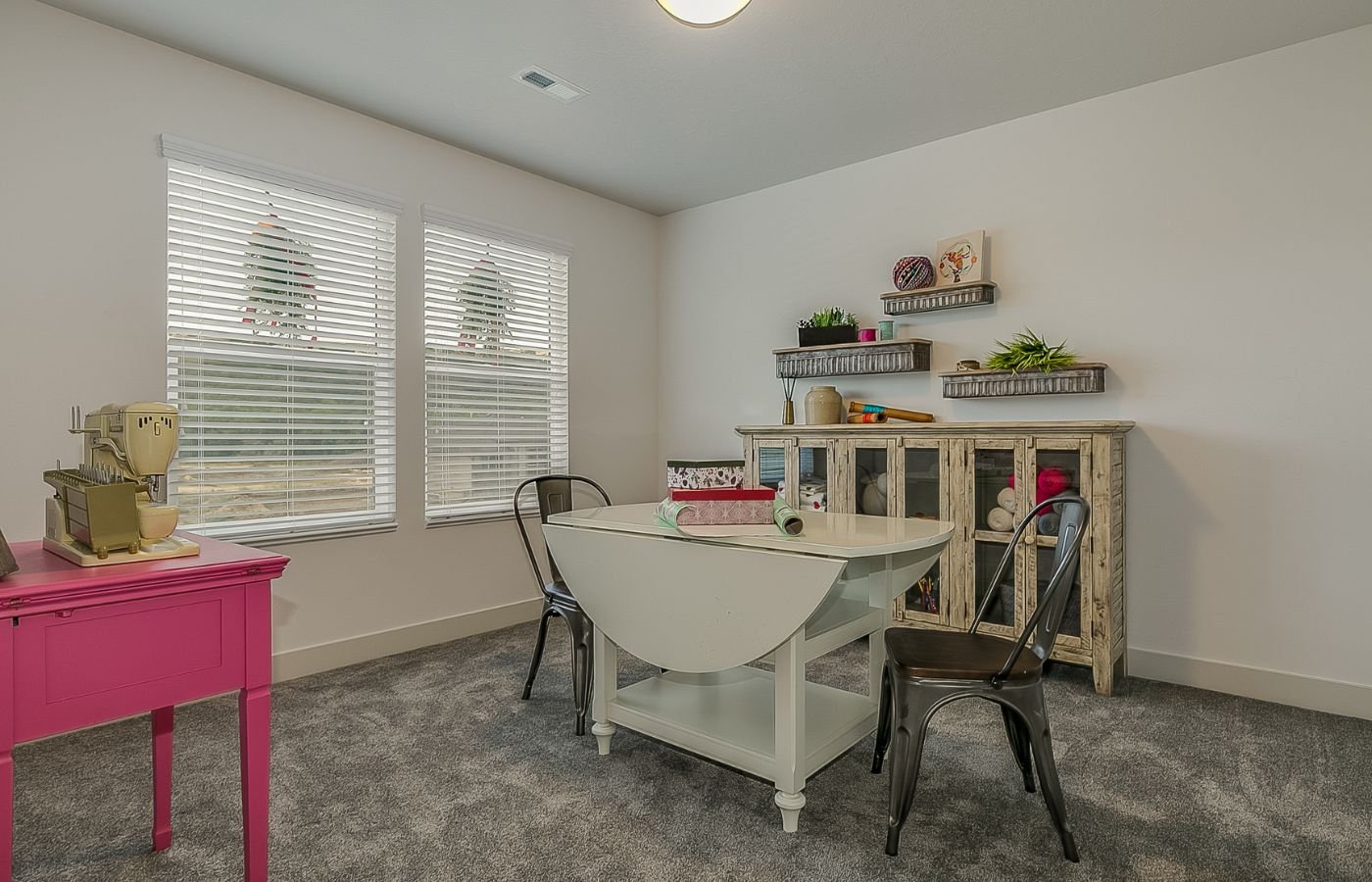
A home decluttering plan gives you a way to move through your house without guessing what to do next. Instead of bouncing from one messy space to another, you follow a clear path. Every room gets attention. Every corner gets handled. And over time, your home starts to feel lighter, easier to manage, and more like a place you enjoy being in.
Most homes do not feel overwhelming because people are careless. They feel overwhelming because decisions get delayed. A plan helps you make those decisions in a steady, manageable way.
Why a home decluttering plan makes the process easier
Without a plan, decluttering turns into a series of starts and stops. You clean one area, get tired, and then avoid the next one. The house never fully resets.
A home decluttering plan removes that friction. It gives you a starting point and a next step. You do not have to think about the entire house at once. You only have to focus on what is in front of you.
There is also a mental shift that happens when you follow a plan. Instead of reacting to clutter, you begin to see your home as something you can shape. That shift is where real progress starts.
Keeping a neat home becomes easier when there is simply less to manage. Fewer items mean less to clean, less to organize, and fewer decisions to make every day.
Start by mapping out your entire home
The first step in building a home decluttering plan is to get everything out of your head and onto paper.
Walk through your home and make a full list of every space. Include the obvious rooms like bedrooms and the kitchen, but also include areas that often get skipped. Closets, hallways, laundry rooms, basements, garages, and even storage bins should all be part of the plan.
This step matters more than it seems. When you see the full scope of your home, you can plan realistically instead of guessing.
At this stage, you are not decluttering anything yet. You are simply creating a clear picture of what needs attention.
Assign each room a place on your calendar
Once you have your list, the next step is to give each space a timeframe.
Assign each room its own month. This may feel slow, but it works. When you rush decluttering, you tend to make quick decisions that do not last. When you slow down, you give yourself time to think clearly.
Use the rhythm of your year to guide you. Heavier spaces like garages or storage rooms often make more sense during months when you have more time or better weather. Lighter spaces like bedrooms or bathrooms can fit into busier seasons.
A calendar turns your home decluttering plan into something real. It becomes a commitment instead of an idea.



Break each room into smaller sections
Looking at a full room can feel like too much. That is where most people stop before they even begin.
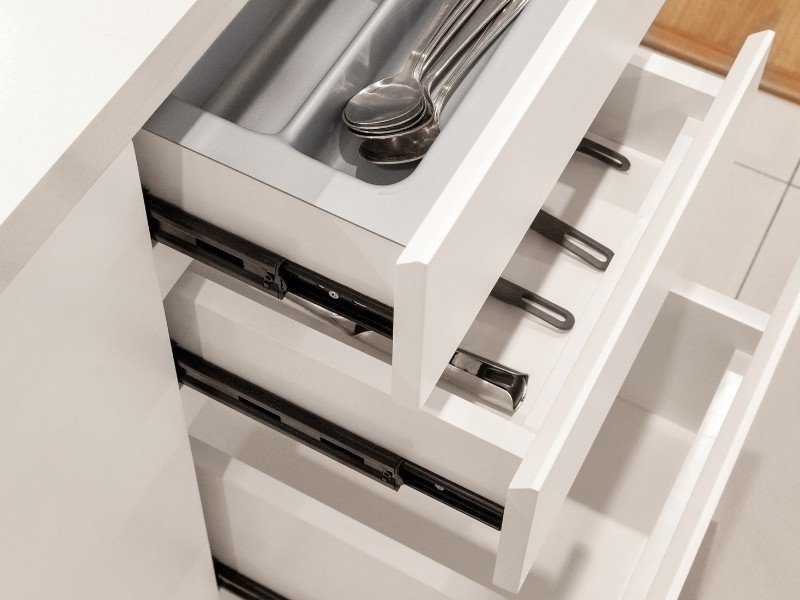
Instead, divide each room into smaller sections. There are two simple ways to do this. You can break the room into four corners. This works well in open spaces where everything is visible. Or you can break the room into four zones. For example, in a kitchen, one zone might be cabinets, another drawers, another pantry space, and another countertops.
Focus on one section at a time. Give yourself a full week for each section. This keeps the work manageable and prevents burnout.
When you narrow your focus, you are more likely to finish what you start.
Set a realistic daily time commitment
A home decluttering plan only works if it fits into your life. You do not need hours each day. In most cases, ten to twenty minutes is enough. The key is consistency, not intensity. Choose a time that you can realistically stick to. It might be early in the morning before the day begins or in the evening after things settle down. The exact time does not matter as much as showing up regularly.
When you keep your sessions short, you remove the pressure. Decluttering becomes something you do, not something you avoid.
Follow a simple sorting system
As you work through each section, keep your decisions straightforward. Sort everything into three categories: keep, donate, and put away. Keep means the item has a clear place and a purpose in your current life. Donate means it no longer serves you but could be useful to someone else. Put away means it belongs somewhere else in your home.
After sorting, take a few extra minutes to clean the space. Wipe surfaces, remove dust, and reset the area before putting items back. Then give every item you keep a defined home. This is what keeps clutter from returning.
If items do not have a place, they will slowly spread back into the room.
Expect the process to take time
One of the biggest mistakes people make is expecting quick results. A home decluttering plan is not a weekend project. It is a process that unfolds over time. In many homes, it can take several months to work through everything.
That does not mean you are failing. It means you are doing it in a way that lasts.
As you move through your plan, your mindset will start to shift. You will begin to see your belongings differently. Things that once felt important may no longer feel necessary. That shift is part of the process.
Build support into your plan
Decluttering can feel isolating, especially when you are making decisions that carry emotional weight. Support makes a difference. That might mean talking through decisions with a friend, working alongside a family member, or bringing in a professional when you feel stuck. Having support does not mean you cannot do it on your own. It simply means you do not have to.
If you need additional guidance, our Declutter Deck® offers structured prompts that help you move forward when decisions feel unclear.
Pay attention to how your space feels
As you work through your home decluttering plan, take a moment to notice the changes.
A cleared drawer. A shelf that finally makes sense. A room that feels easier to walk into.
These small shifts add up. They change how your home functions, but they also change how you feel inside it.
Decluttering is not only about removing things. It is about creating space for how you want to live.
Keep the system going after you finish
Once you complete your plan, the goal is to maintain what you have built. Because you worked slowly and gave everything a place, maintenance becomes much easier. You are no longer managing piles. You are simply returning items to where they belong.
A short weekly reset is usually enough to keep things in order. If something starts to build up again, you already have a system to handle it. You go back to small sections, short time blocks, and simple decisions.
That is what makes a home decluttering plan sustainable.