

Pet Friendly Home Design: How to Create a Space That Works for Everyone
The best homes are designed around the people who live in them. How you move through a space, how you use it, and what you need from it every day should guide every design decision. Pets are part of that equation. A truly thoughtful home considers not only human habits, but the routines, comfort, and safety of the animals who share the space with you.
Pet friendly home design is not about sacrificing style. It is about creating a home that functions smoothly for everyone who lives there. Food bowls, toys, leashes, and litter boxes do not have to dominate your decor. With a little planning, these necessities can be integrated in ways that feel intentional rather than improvised.
Designing With Pets in Mind From the Start
Before making changes, take time to observe how your pet uses the home. Notice where they sleep, where they eat, and how they move through the space. These patterns reveal opportunities for better design. A dog that always waits by the door may benefit from storage nearby. A cat that seeks sunlight will naturally gravitate toward certain windows.
Pet friendly home design works best when it aligns with existing habits rather than forcing new ones. The goal is to support daily routines while maintaining a cohesive look.
Mudrooms as Pet Command Centers
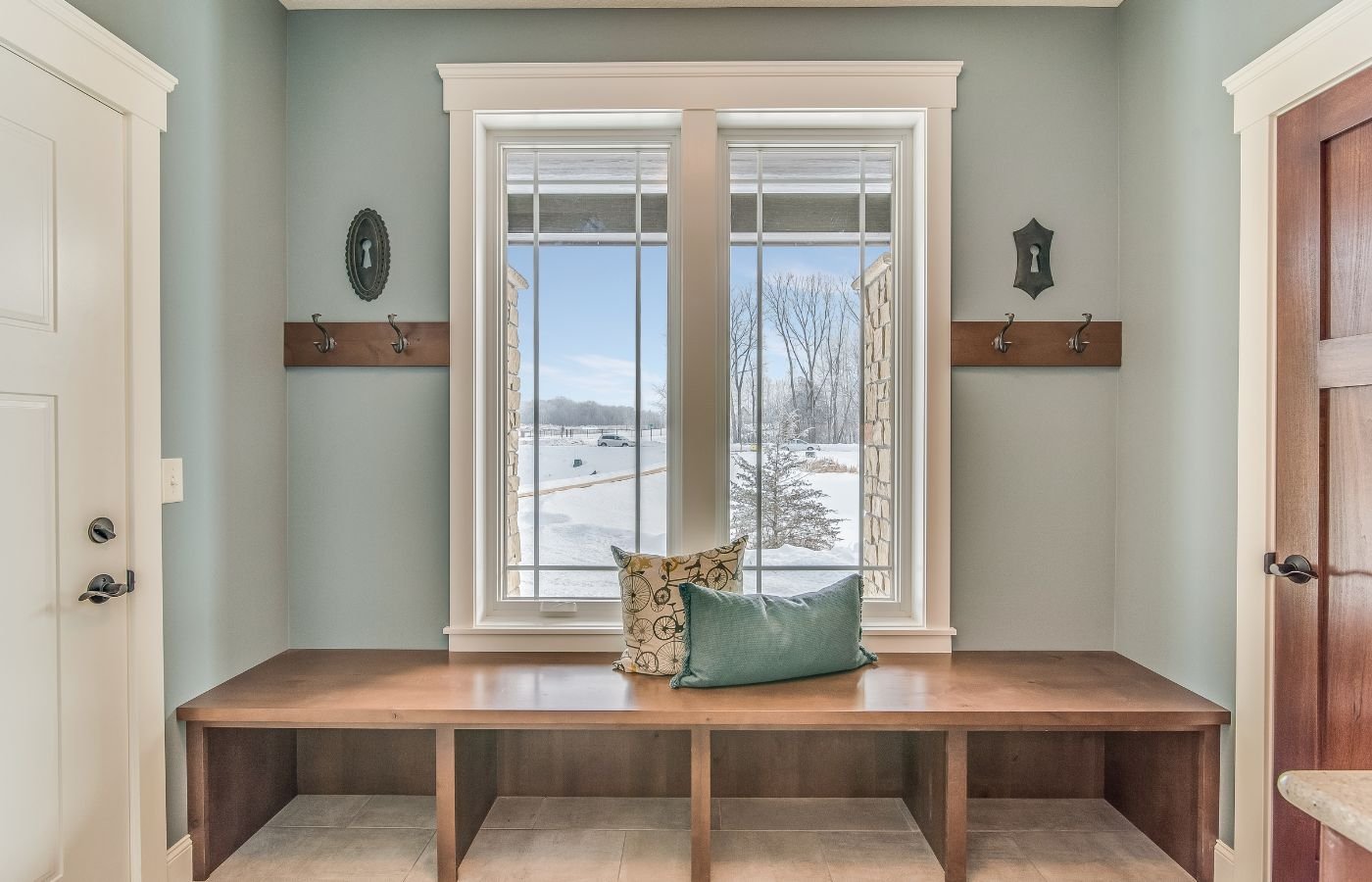
Mudrooms are ideal for housing pet supplies. Located near exterior doors, they naturally handle transitions between indoors and outdoors. They often include sinks, laundry, and durable flooring, which makes them well suited for pets.
Built in storage helps keep supplies organized and out of sight. Leashes, harnesses, towels, and treats can live in drawers or cabinets rather than cluttering entryways. For dogs, built in kennels can be integrated beneath counters or inside cabinetry. Removing part of a cabinet and installing a secure front panel allows a crate to blend seamlessly into the room.
This approach keeps pet spaces functional without making them visually dominant.
Rethinking Feeding Areas
Food and water bowls are essential, but they do not need to sit permanently in the middle of the kitchen. One practical solution is a low pull out drawer designed specifically for feeding. When mealtime is over, the drawer closes and restores floor space.
If built ins are not an option, bowls can still be incorporated thoughtfully. Mounting them on a painted wood panel attached to the base of an island or cabinet creates a defined feeding station that feels intentional. Matching the color or finish to existing cabinetry helps the area blend in rather than stand out.
Pet friendly home design is often about these small adjustments that reduce visual clutter while preserving function.
Creating Comfortable Sleeping Spaces
Many pets prefer sleeping near their owners, but dedicated sleeping areas still matter. Animals, like people, rest best when they feel safe and comfortable. Choosing the right location is as important as choosing the bed itself.
Older dogs often benefit from orthopedic beds placed in quiet, low traffic areas. Cats tend to seek warmth and sunlight, making window adjacent spots ideal. Once you identify where your pet naturally settles, choose a bed that complements your decor.
Neutral rooms pair well with warm browns, soft grays, or muted patterns. More modern spaces can support bolder colors or graphic designs. The key is choosing materials and colors that feel like part of the room rather than an afterthought.




Thoughtful Solutions for Litter Boxes
Litter boxes present one of the biggest design challenges in pet friendly home design. Fortunately, there are creative ways to conceal them without limiting access.
Cabinet conversions work well in mudrooms, laundry rooms, or bathrooms. By removing interior shelving and installing a cat flap in the cabinet door, you create a hidden litter area that keeps mess and odor contained. Leaving the cabinet door closed reduces visual clutter while still allowing your cat easy entry.
This solution works especially well when paired with easy to clean flooring and nearby ventilation.
Choosing Materials That Stand Up to Pets
Design choices matter when pets are involved. Flooring, fabrics, and finishes should support durability and ease of cleaning. Hard surface floors like tile, sealed wood, or luxury vinyl handle pet traffic better than wall to wall carpet. Washable rugs provide softness without permanence.
For furniture, performance fabrics resist stains and wear while maintaining a polished look. Removable covers offer flexibility and peace of mind. Window treatments should be sturdy enough to handle curious paws or wagging tails.
Pet friendly home design succeeds when materials are chosen with real life in mind.
Storage That Reduces Daily Chaos
Pets come with accessories. Toys, grooming tools, medications, and supplies accumulate quickly. Built in or designated storage keeps these items from spreading throughout the house.
Baskets, drawers, and labeled containers help maintain order. Keeping frequently used items close to where they are needed makes routines smoother and reduces frustration. When everything has a place, the home feels calmer for both pets and people.
Blending Pet Spaces Into Your Overall Design
The most successful pet friendly home design does not isolate pet areas. Instead, it integrates them into the overall layout. Feeding stations, sleeping zones, and storage should feel like natural extensions of the home rather than separate zones.
This integration creates harmony. The home remains cohesive while still meeting practical needs. Guests may not even notice pet features at first glance, yet the space functions beautifully behind the scenes.
A Home That Works for Everyone
Designing a home that supports pets does not mean compromising your aesthetic. It means designing with intention. When pet needs are considered early, solutions feel thoughtful rather than reactive.
Pet friendly home design creates a space where routines flow easily, clutter stays contained, and comfort is shared. The result is a home that feels welcoming, functional, and truly lived in by everyone who calls it home.