

Decluttering One Category at a Time With a Simple System That Works
Decluttering one category at a time is one of the most effective ways to simplify a home without feeling overwhelmed. When everything is tackled at once, the process quickly becomes scattered. Items get moved from one place to another, decisions get postponed, and the space often looks worse before it looks better.
Working by category changes that. Instead of focusing on a room, you focus on a type of item. All shirts. All books. All kitchen utensils. This approach brings clarity because you can see exactly how much you own and how much you actually use.
The goal is not to create a perfect system. The goal is to create a repeatable process that helps you make steady progress.
Why Decluttering One Category at a Time Works Better
When people try to declutter room by room, they often run into the same problem. Items that belong elsewhere get set aside to deal with later. That “later” pile grows quickly.
Decluttering one category at a time removes that confusion. Every item you are sorting belongs to the same group, which makes comparisons easier. You can see duplicates, notice patterns, and make clearer decisions.
This method also reduces decision fatigue. Instead of switching between different types of objects, your brain stays focused on one kind of decision.
Over time, that focus leads to better outcomes and less frustration.
What It Means to Declutter by Category
To declutter by category means gathering all similar items together, regardless of where they are stored.
Clothing might be spread across closets, dressers, laundry rooms, and storage bins. Books may be in multiple rooms. Kitchen items might be divided between drawers, cabinets, and pantry shelves.
When you bring everything into one place, the full picture becomes visible. Many people are surprised by how much they own once it is all in front of them.
This step is often the turning point. It becomes much easier to decide what to keep when you can compare similar items side by side.
A Simple System for Decluttering One Category at a Time
A clear system keeps the process from becoming overwhelming. Without structure, even category-based decluttering can stall.
Step 1: Choose one category
Start with a category that feels manageable. Clothing is a common starting point, but smaller categories such as socks, utensils, or office supplies work just as well.
The size of the category matters less than your ability to finish it in a reasonable amount of time.
Step 2: Gather everything in that category
Collect every item that belongs to that category from around your home. Place them in one location where you can see them clearly.
This step requires effort, but it is essential. Partial sorting leads to partial decisions.


Step 3: Group similar items together
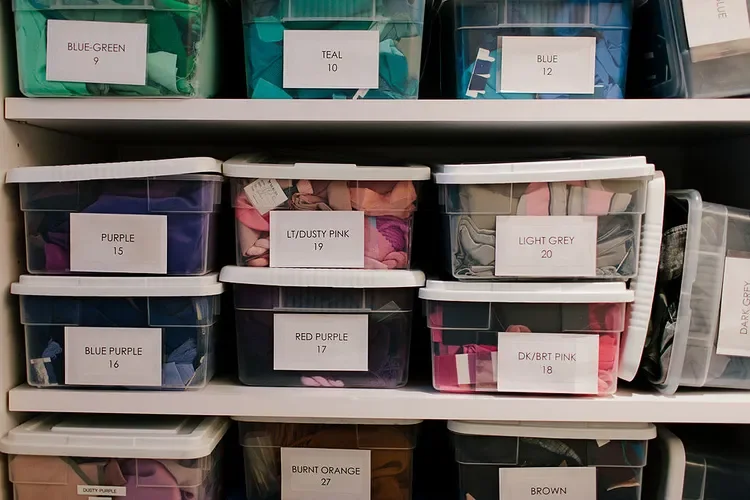
Within the category, create smaller groups. Shirts with shirts. Mugs with mugs. Pens with pens.
Grouping makes it easier to see duplicates and to compare items that serve the same purpose.
Step 4: Evaluate each item
Pick up each item and decide whether it still belongs in your life. Look at whether you use it, whether it fits your current routines, and whether it adds value to your day.
Avoid rushing through this step. The decisions you make here determine how the space will function later.
Step 5: Set clear limits
Every category needs a natural limit based on the space available. Drawers, shelves, and closets can only hold so much before they become difficult to use.
Decide how much space you are willing to give that category, and keep only what fits comfortably within that boundary.
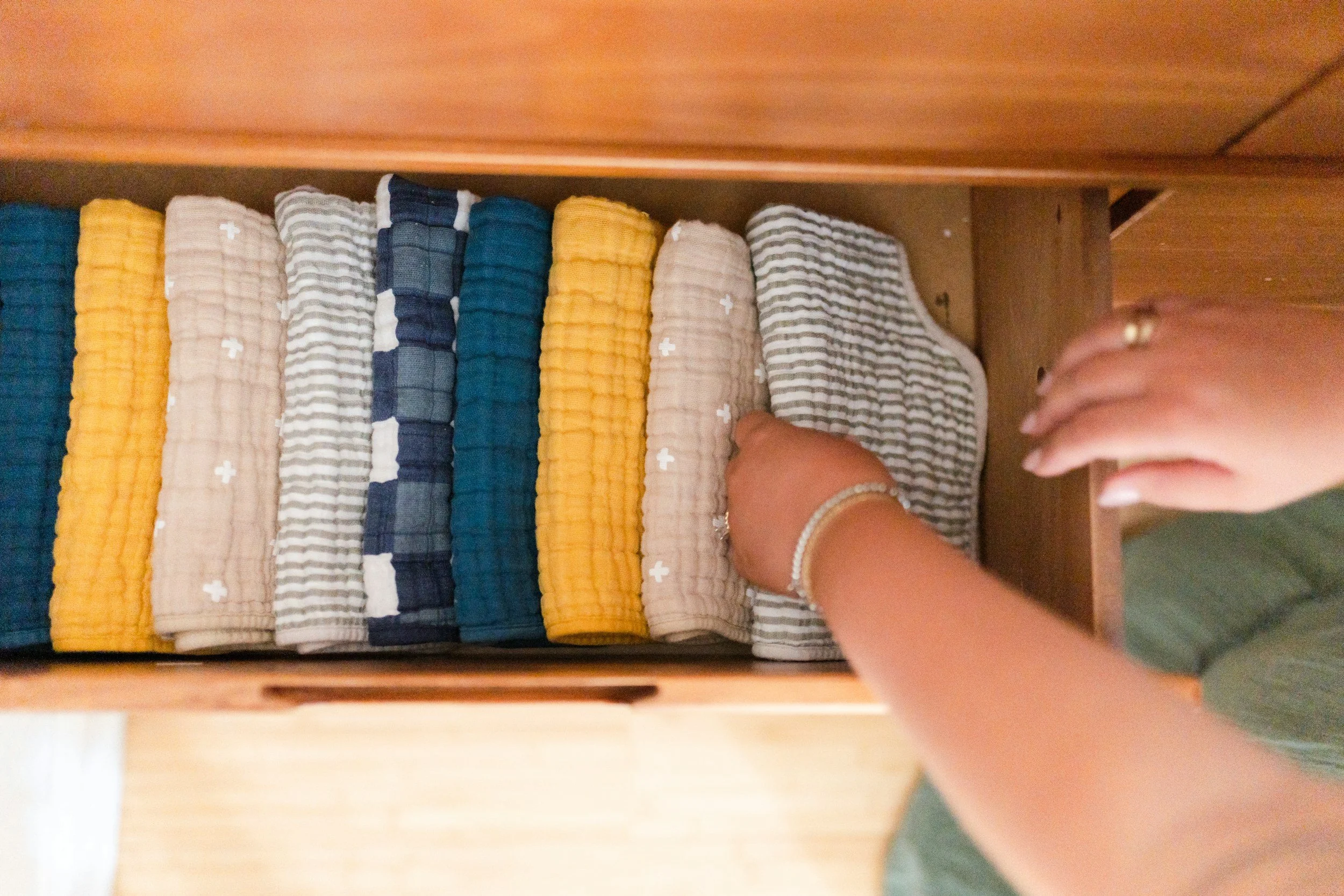
Step 6: Return items to their proper place
Once you have decided what to keep, return those items to their storage areas in an organized way. Don’t put it down. Put it away.
Because you have already reduced the volume, organizing becomes much simpler.
Step 7: Remove what you are not keeping
Take donation items, trash, or recyclables out of the space as soon as possible. Leaving them nearby increases the chance that they will drift back into storage.
How to Choose the Right Categories to Start With
Choosing the right category can make a big difference in how the process feels.
Start with categories that are:
Used regularly
Easy to decide on
Not highly emotional
Examples include kitchen utensils, towels, or everyday clothing.
Once you build confidence, you can move on to categories that carry more emotional weight, such as keepsakes or photographs.
Common Categories to Declutter
If you are unsure where to begin, these categories work well for most homes:
Clothing
Shoes
Books
Kitchen utensils
Pantry items
Office supplies
Bathroom products
Cleaning supplies
Each category offers a contained set of items that can be evaluated without feeling overwhelming.
Why This Decluttering Method Builds Momentum
Decluttering one category at a time creates a sense of progress that is easy to see.
When a category is finished, it is finished. You do not have to revisit it repeatedly. That sense of completion builds confidence and encourages you to continue.
Momentum grows through finished tasks. Each completed category becomes proof that the process works.
Over time, the home changes through a series of completed decisions rather than one large effort.
Avoiding Common Mistakes When You Declutter by Category
Even a simple system can become difficult if a few common mistakes appear.
One mistake is choosing a category that is too large at the start. Trying to declutter all clothing in one day can quickly become overwhelming. Breaking the category into smaller groups helps.
Another mistake is skipping the gathering step. If items remain scattered, it is harder to see how much you actually own.
A third mistake is holding onto items out of habit rather than intention. The goal is to keep what supports your life, not what has always been there.
How Decluttering One Category at a Time Changes Your Home
As you move through categories, your home begins to feel different. Storage areas become easier to use. Items become easier to find. Daily routines become smoother.
The change is not just physical. It also affects how you think about what you bring into your home. You become more aware of how quickly items can accumulate and more intentional about what you choose to keep.
Decluttering one category at a time creates a system that can be repeated whenever needed. Instead of waiting for clutter to build up, you have a clear way to address it before it becomes overwhelming.
A Repeatable System You Can Return To Anytime
A simple decluttering system does not need to be complicated to be effective. Working one category at a time provides structure without adding pressure.
Each category becomes an opportunity to reset a part of your home. Over time those resets add up, creating a space that feels easier to maintain and more aligned with how you live.
The process remains the same no matter how many times you return to it. Choose a category, gather everything, make clear decisions, and keep only what supports your daily life.
