

How To Curate A Wardrobe That Simplifies Your Daily Routine
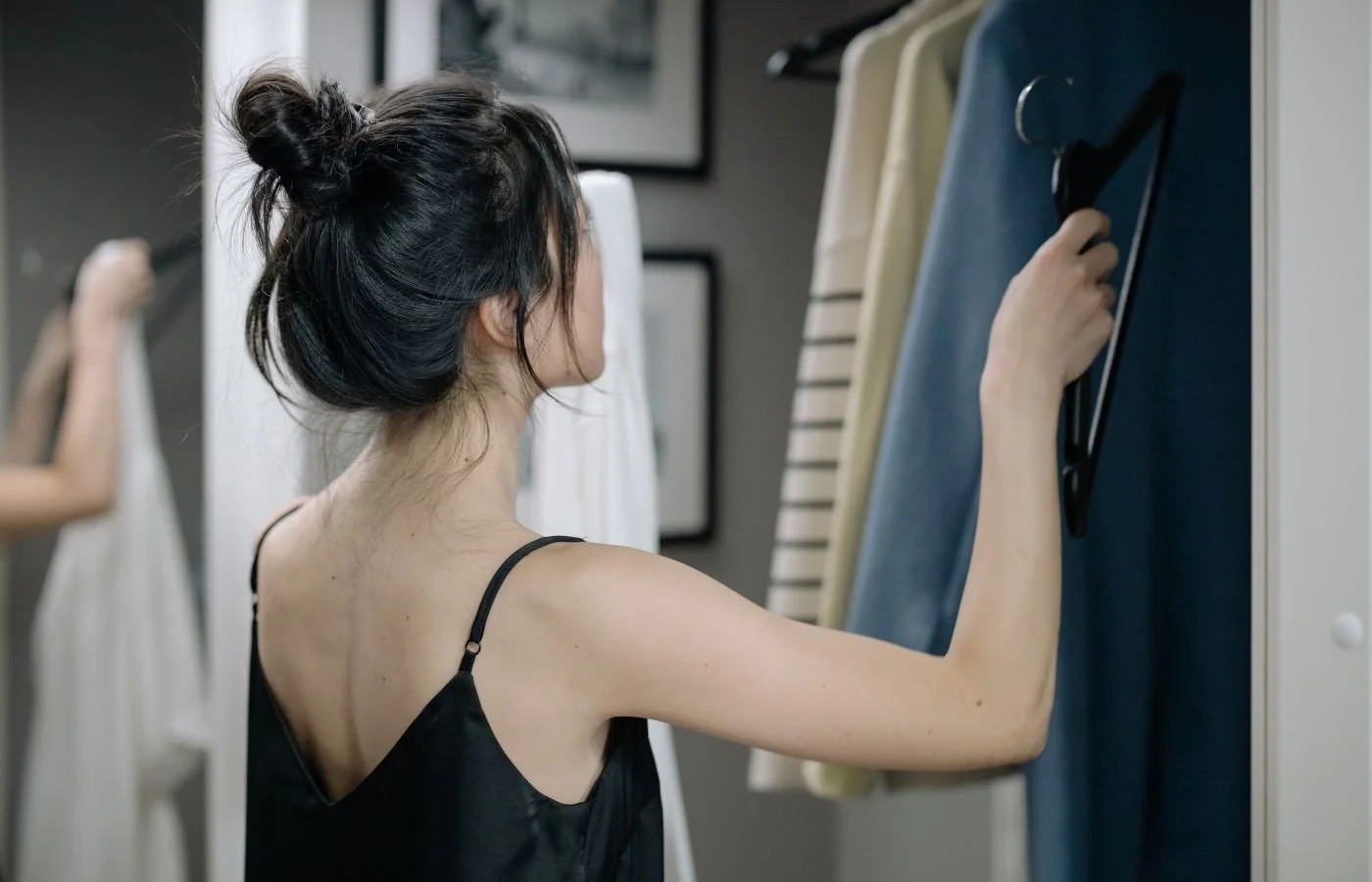
How to curate a wardrobe involves more than just throwing things away. It addresses the common frustration of looking at a full closet and feeling like you have nothing to wear. This feeling often stems from a lack of organization rather than a lack of clothing. When your space is cluttered, it is difficult to see the potential in the items you already own. By taking ownership of your closet, you can create a collection of clothes that makes you feel confident and prepared for your day.
Many people find themselves overwhelmed by the sheer volume of choices they face each morning. This decision fatigue is usually a sign that the wardrobe no longer serves your current needs. Whether your size has changed or your lifestyle has shifted, your closet should reflect who you are today. Using the Declutter Deck from The Uncluttered Life provides the necessary framework to begin this transformation. The goal is to turn a source of stress into a functional and beautiful part of your home.
Understanding Why We Hold On To Clothes
Most people only wear a small percentage of what they own on a regular basis. In fact, research suggests that the average person wears only 20 percent of their clothes while the rest remains untouched. We often keep these extra items out of a sense of guilt or a hope that they will fit again in the future. We tell ourselves that we might need a specific piece for a someday that rarely arrives. This mindset leads to a closet filled with items that take up valuable mental and physical space.
Rehanging clothes that do not fit is a common habit that creates visual clutter. It forces you to sift through items that make you feel discouraged before you find something you can actually wear. To move forward, you have to let go of the version of yourself that used to wear those clothes. Embracing your current self is the first step toward a wearable wardrobe. When you clear out the items kept for someday, you make room for the pieces that actually work for your life right now.
It is much easier to throw on the same few items every day when your closet is packed with distractions. This cycle of wearing the same things while ignoring the rest of the closet is a sign of a broken system. You might feel guilty about the money spent on items you never wear, but keeping them does not bring that money back. It only prevents you from having an organized space that allows you to get dressed with ease. Letting go is a practical decision that benefits your daily routine.
Preparing For A Successful Closet Refresh
Before you start pulling items off the hangers, you need to prepare the space and your mindset. One of the most important steps is to make sure all your laundry is done. You cannot accurately curate your wardrobe if half of your favorite clothes are sitting in a hamper or at the dry cleaners. Having everything in one place allows you to see the full scope of what you own. It also ensures that the clothes you wear most often are included in the decision process.
While you are preparing, challenge yourself to stop spending money on new clothes. It is tempting to buy something new when you feel like you have nothing to wear, but this often adds to the problem. You should only buy new items after you have decided exactly what you want to keep and what you want to give away. Once the decluttering is finished, you can make a list of specific pieces you actually need. This prevents impulse buys and ensures that new additions fit your curated style.
Take a moment to look at the overall color story of your current wardrobe. Do you have a lot of color, or do you tend to stick to a neutral palette? Understanding your color preferences helps you identify which items feel like they belong together. It also helps you spot the outliers that might be difficult to style into an outfit. Knowing your preferences makes it easier to make quick and confident decisions during the organization phase.



Action Steps To Build A Functional Wardrobe
Once you begin the sorting process, you need a system to track your progress. A simple and effective trick is to turn your hangers backward once you have decided to keep an item. This provides a visual indicator of what you are actually using. If a hanger is still backward after a few months, it is a clear sign that the item is not a regular part of your rotation. We have discussed this method in detail in previous blog posts because it is a highly reliable way to audit your habits.
Always keep a dedicated donation bag directly in your closet. This makes it incredibly easy to remove an item the moment you realize you no longer want to keep it. If you try something on and decide it does not make you feel good, put it in the bag immediately. This prevents you from rehanging the item and facing the same decision again a few weeks later. Having the bag ready to go simplifies the process and keeps the momentum moving forward.
You should also keep a small garbage can in the closet for immediate needs. It is the perfect place for clothing tags, dry cleaning plastic, and the paper that comes inside new shoes. Keeping these small pieces of trash out of your drawers and off your shelves makes the space look much neater. It is a small detail that contributes to a more professional and organized environment. When the environment is clean, you are more likely to respect the systems you have put in place.
Optimizing Your Space With The Right Tools
The tools you use to store your clothes have a major impact on the visual clutter in your closet. We strongly suggest standardizing your hangers to create a more uniform look. Space hanging, flocked hangers are an excellent choice because they are thin and prevent clothes from slipping off. Using hangers that are all the same color reduces the visual noise in the closet. This allows your eye to focus on the clothes themselves rather than a mismatched collection of plastic and wire.
Baskets are another essential tool for items that are difficult to fold or hang. You can use them to hold accessories like scarves, belts, or hats. They are also great for smaller items like socks or undergarments. Using baskets helps to contain these items so they do not end up in a messy pile on a shelf. When everything has a designated home, the entire closet feels more intentional and easier to maintain over time.
If you prefer to see your clothes at a glance, consider using a file folding style for your drawers. This method allows you to stand clothes up vertically so you can see every shirt or pair of pants at once. It prevents you from having to dig through a stack of clothes and creating a mess in the process. This style of organization works particularly well for t shirts, athletic wear, and jeans. It maximizes your storage space while making it much easier to put together an outfit in the morning.
Making Decisions Based On Fit And Feeling
When it comes to deciding what stays and what goes, you have to be honest with yourself. For every item, ask yourself if you truly like it and whether it fits your body today. Do not guess or assume that something will look good once you put it on. Take the time to try things on and see how they move with you. If an item is uncomfortable or does not flatter you, it does not deserve a spot in your curated space.
There should be no maybe pile in your closet. Keeping items that you are unsure about only leads to more clutter and indecision. If you do not love it and it does not fit, let it go. This creates a high standard for what is allowed in your personal space. When every item in your closet is something you actually wear and enjoy, the process of getting dressed becomes much more joyful.
You no longer have to fight through a sea of mediocre clothes to find something you like.
As you sort through your categories, focus on creating better visibility. You should be able to see your options clearly so you can start visualizing different outfits. This might mean hanging items by category, such as putting all your blouses together and all your blazers together. Grouping like items allows you to compare them and see if you have unnecessary duplicates. It also makes it easier to find exactly what you are looking for when you are in a rush.
Categorizing For Maximum Efficiency
After your clothes are sorted and reviewed, it is time to place them back into the closet. Think about how you get dressed in the morning and organize your space to support that flow. Some people prefer to hang items by type, while others find it more helpful to group clothes by color. Categorizing by color can create a beautiful, rainbow-like effect that makes the closet look more organized. It also helps you find specific pieces more quickly if you have a color in mind for your outfit.
Start placing your items in the closet to see where they will fit best. You might find that your most used items need to be in the center at eye level, while seasonal pieces can go on higher shelves. Leave some breathing room between your hangers so you can easily browse through your options. A closet that is packed too tightly is difficult to use and can cause clothes to become wrinkled. Proper spacing ensures that your wardrobe remains in good condition and is easy to access.
Maintaining a curated wardrobe is an ongoing practice of editing and organizing. As you move through the seasons, continue to use the backward hanger trick and keep your donation bag ready. Every time you bring something new into your home, make sure it fits the high standards you have set. By following these practical steps, you can enjoy a closet that is simplified, functional, and perfectly tailored to your life.