

10 Questions to Ask Before You Keep Anything
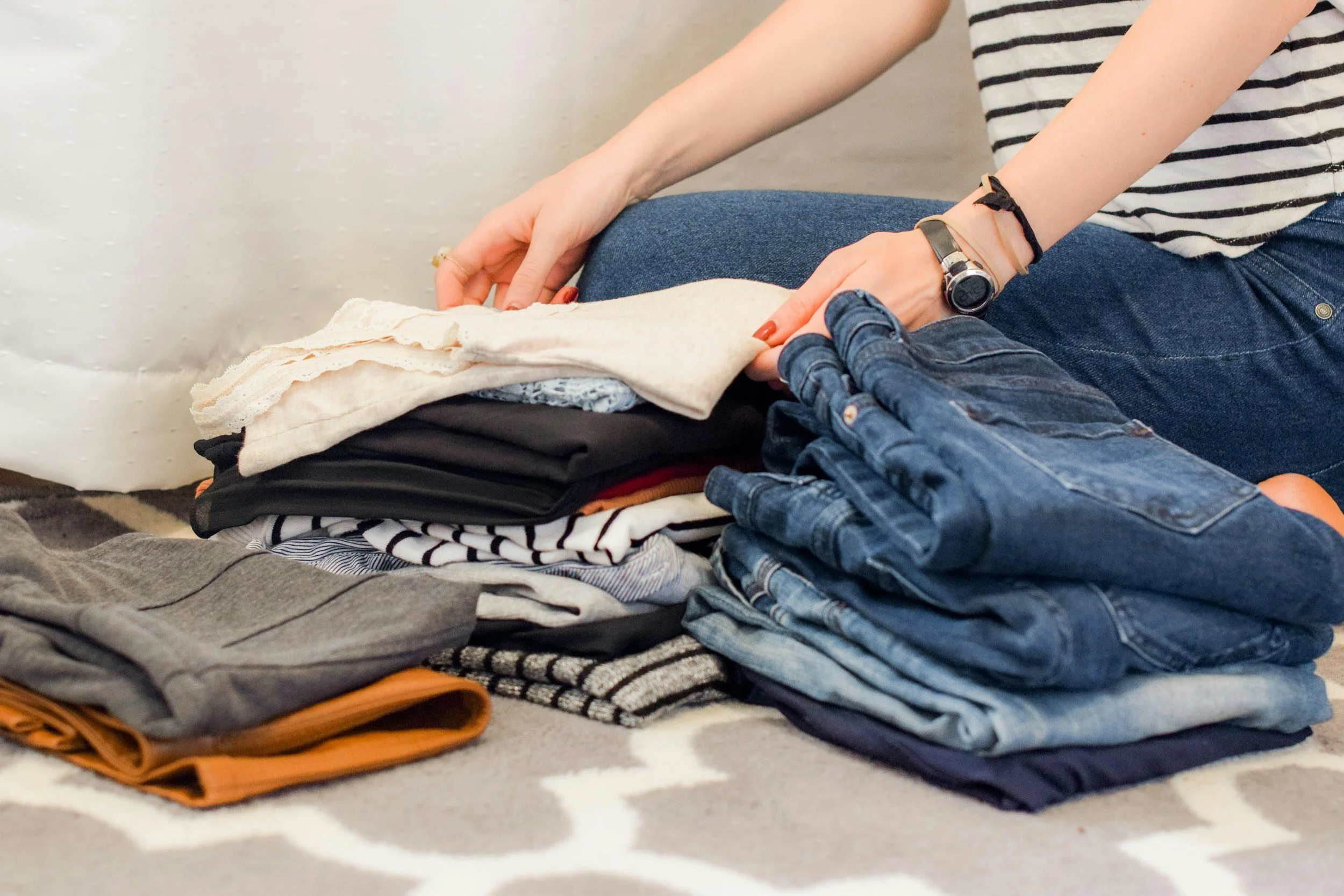
Before deciding whether something should stay in your home, it helps to have a few clear questions to ask before you keep anything. Most clutter does not remain because people truly want the item. It remains because the decision about it never gets made.
Objects get shifted from shelf to drawer, from drawer to closet, and the question of whether they belong never gets answered. Over time those postponed decisions fill the room.
A small set of clear questions slows that pattern down. Instead of reacting to habit, guilt, or uncertainty, you pause and look at the role an item plays in your life today.
A Simple Way to Decide What Belongs in Your Home
These questions work across almost every category. Clothing, kitchen tools, hobby supplies, decorations, and everyday household items all respond to the same test. The goal is not to interrogate every object for hours. The goal is to create enough clarity that the decision becomes obvious.
1. Do I actually use this?
Start with the most direct question. Think about the last time you used the item in real life, not the time you planned to use it.
Many things remain in a home long after they stop serving a purpose. If the item has not been used in years, it may belong to a version of your life that has already passed.
2. Would I buy this again today?
Imagine seeing the item in a store today at the same price. Ask yourself whether you would choose it again.
If the answer is no, that tells you something important. The object may no longer fit your needs or routines.
3. Is this the best version of this item that I own?
Duplicates quietly accumulate in most homes. Extra spatulas, extra scissors, extra blankets, extra storage containers.
Ask whether this item is the one you reach for first. If another version always wins that decision, the weaker one is simply taking up space.
4. Does this support the life I am living right now?
Some objects represent past hobbies, past jobs, or plans that never unfolded. They stay because they remind us of effort, time, or money already invested.
Look at whether the item supports the life you are living today. If it does not, it may not belong in your current home.

5. Am I keeping this out of guilt?
Gifts, expensive purchases, and items connected to other people often remain because of guilt.
Keeping something does not change the original decision to buy it or accept it. The money has already been spent. The moment has already passed. The only question now is whether the object deserves space in your home.
6. If I needed this again, could I replace it easily?
Many objects stay because of a vague fear that they might be needed someday.
Consider how easy it would be to replace the item if that day actually arrived. In many cases the answer is very easy. That realization makes it simpler to let go.
7. Does this add value to my daily life?
Some items earn their place naturally. They make daily routines easier or more enjoyable.
Others sit in the background without contributing much of anything. When you ask whether an object adds value to daily life, the answer often becomes clear very quickly.
8. Am I keeping this for a hypothetical future?
A surprising amount of clutter represents a future project, a future event, or a future version of ourselves.
Craft supplies for projects that never began. Formal clothing for events that never appear. Equipment for hobbies that never took hold.
If that future remains vague year after year, the item may no longer deserve space in your home.
9. Would someone else benefit from this more than I do?
An unused item may still have real value. It simply may not have value to you anymore.
Donation centers, local groups, and neighbors often welcome items in good condition. Passing something along allows it to serve a real purpose again.
10. If I had to move tomorrow, would I pack this?
This question cuts through hesitation. Moving forces quick decisions because every item requires effort to pack and carry.
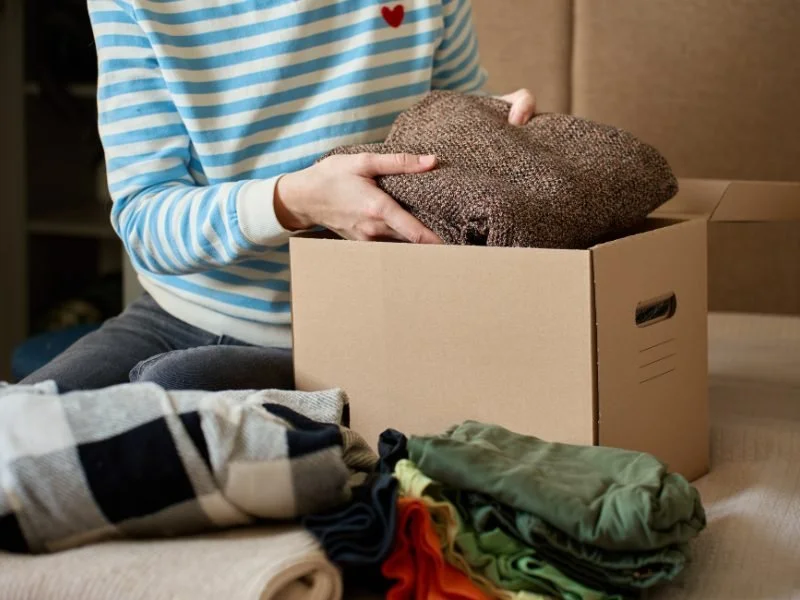
Picture placing the object into a moving box. If you would not pack it without hesitation, it may not need to stay.
A Simple Tool That Makes Decluttering Easier
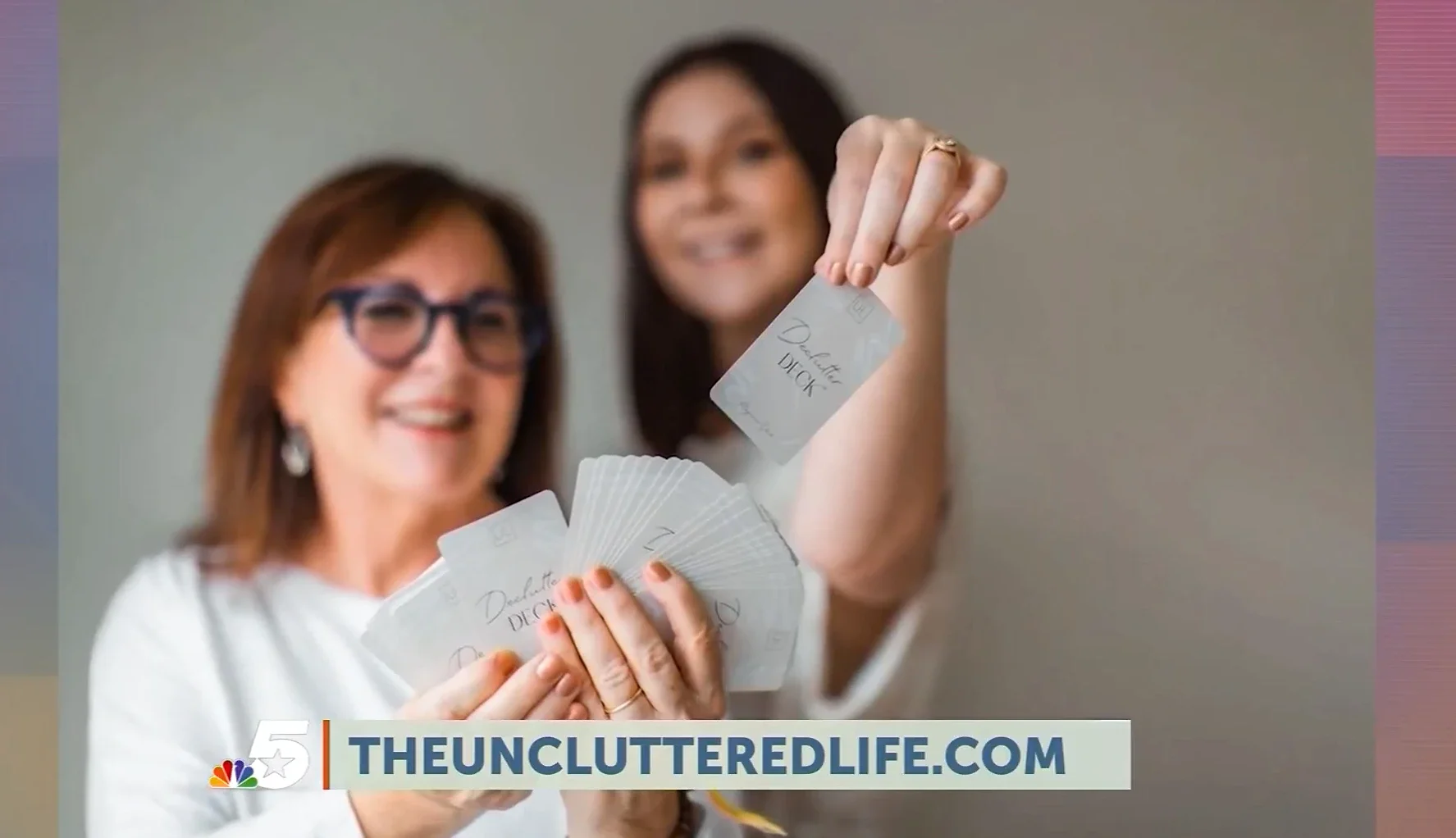
Many people know they want to simplify their homes but still feel stuck when it is time to start. The hardest part is often deciding what to tackle first and how to keep moving once you begin. The Declutter Deck was created to remove that uncertainty. Each card offers a small, manageable task that guides you through a space, category, or decision that often gets avoided. Instead of staring at a room and feeling overwhelmed, you draw a card and focus on one clear action. Over time those small steps add up, and the process becomes far less intimidating. Decluttering stops feeling like a massive project and starts to feel like something you can actually finish.
