

Paper and Piles: How to Declutter Paper Clutter for Good
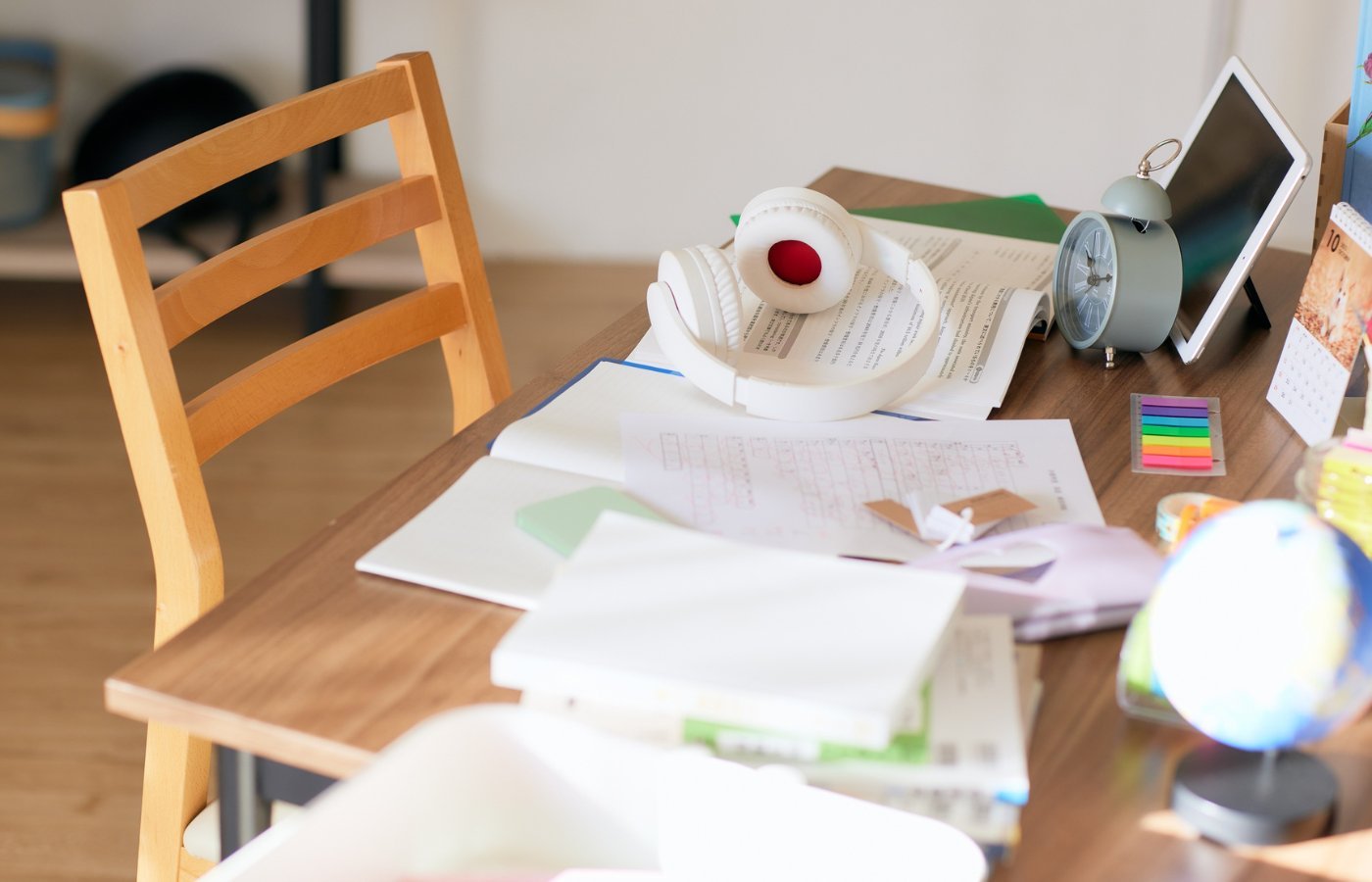
It is entirely possible to have a functional, organized paper system! While digital files have replaced some of our needs, physical paper still manages to find its way onto every flat surface in our homes.
I really like Marie Kondo’s approach to paper organization. Her basic rule for papers is to discard almost everything. I’ll be honest: that is hard for some people, and it was especially hard for me at first because I have had a lifelong love affair with paper. In the KonMari Method®, organizing paper is the third category, following clothes and books. This is the stage where we truly begin to feel like we are getting more control over our lives.
While the first category is usually clothing, some people find that working through paperwork first provides a more immediate sense of relief. Paperwork often represents tasks or decisions we have been avoiding. Once you work through the pile, you alleviate that background stress and allow for better energy flow throughout your home. I know this to be a fact from years of experience!
How to Begin Tidying Your Paper
The first step is to make room—lots of it. You need to gather every single piece of loose paper in your house. Check the kitchen counters, the junk drawer, the top of the filing cabinet, and your desk.
Put them all into one giant pile. One of the unexpected benefits of going through unaddressed paperwork is that people often find "hidden" money. It isn't uncommon to find uncashed checks, forgotten cash, or receipts for items that can still be returned. Think of this as the "paycheck" for your hard work!
The Rule: Discard Everything
When we say "discard everything," the goal is to approach the pile with the mindset that nothing stays unless it has a vital reason to. Because a single sheet of paper takes up almost no room, it is very easy to accumulate a massive volume before you realize it has taken over your life.
If you don’t approach the process with a commitment to high-volume discarding, you will barely make a dent. Remember, most things are available on the internet today. Getting rid of the "just in case" papers will make your life much less cumbersome.
Keep only those papers for which there is a clear purpose:
Papers you are currently using.
Papers you will need for a limited, upcoming period.
Papers you must keep indefinitely (birth certificates, house deeds, etc.).


Sort Your Paper into Three Categories
According to the KonMari Method®, your paper should be divided into three specific piles:
1. Pending Papers (The "Action" Pile)
These are time-sensitive items that require your attention. This pile includes bills, invitations, refunds to process, or lab slips for upcoming doctor appointments.
Pro Tip: If you add too many things here, you will feel overwhelmed and avoid the pile. Keep it thin.
Storage: Place these in a vertical "Pending" folder or a dedicated magazine holder on your desk.
2. Frequently Accessed Papers (The "Short-Term" Pile)
These are papers you refer to often but don't necessarily need to "act" on today. This might include current project notes or ongoing homeowner issues.
Storage: Sort these by category into manila folders and keep them in a hanging file box for easy access.
3. Infrequently Accessed Papers (The "Archives")
This includes things like old medical EOBs, transcripts, and reference materials.
Storage: These belong in a filing cabinet. Since you won't look at them often, they don't need to take up "prime real estate" on your desk.
Create a Dedicated Pending Box
Using a "Pending Box" is the secret to keeping your counters clear. I recommend using magazine holders with clear labels or vertical filing systems. It is also a good idea to have one pending box for each person in your family so their important papers don't get mixed with yours.
The real key, however, is working through the box. Set aside a specific time and day each week—perhaps Sunday evening or Monday morning—to deal with the contents in one fell swoop. When you process these items regularly, they stop weighing on your mind, and nothing slips through the cracks.
Expert Help for Home Office Organization
Paper control significantly affects the stress levels in your life. If your piles have reached a point where you feel paralyzed, you don't have to do it alone. Since every person’s paper trail is unique, a one-on-one session can help you make headway and finally get your paperwork under control.
At The Uncluttered Life®, we have specific expertise in managing medical paperwork, which is particularly helpful for those navigating Medicare. We can help you set up a medical paperwork system that is easy to maintain and finally ends the paper clutter for good.
If you’re ready to clear your desk and your mind, contact us at The Uncluttered Life. Let’s turn those piles into a system that actually works for you.